The Science Behind Brain Health: What Really Works in 2025
The Science Behind Brain Health: What Really Works in 2025
12/23/2025 • By Dr. Sarah Mitchell, Neuroscience Researcher

Dr. Michael Chen stared at the brain scans on his monitor, unable to believe what he was seeing. The 72-year-old patient’s brain showed the cellular activity and neural connectivity of someone decades younger. Yet six months ago, this same brain had displayed the classic markers of accelerated cognitive decline. What had changed wasn’t a pharmaceutical miracle or experimental surgery—it was the patient finally understanding and applying what modern neuroscience has discovered about brain health.
The landscape of brain health science has transformed dramatically in recent years. What we thought we knew in 2020 has been revised, refined, and in some cases completely overturned by groundbreaking research. The 2025 discoveries are particularly exciting—revealing mechanisms we didn’t know existed and confirming that the brain’s capacity for healing and optimization extends far beyond what conventional medicine believed possible.
This article cuts through decades of outdated assumptions to reveal what cutting-edge neuroscience actually tells us about maintaining, protecting, and enhancing brain function throughout life.
The Foundation: Understanding Brain Health at the Cellular Level
Brain health isn’t a vague concept—it’s a measurable state determined by specific biological processes occurring at the cellular and molecular level. Understanding these foundations is crucial because it reveals exactly where interventions should target.
Neuronal Health and Function
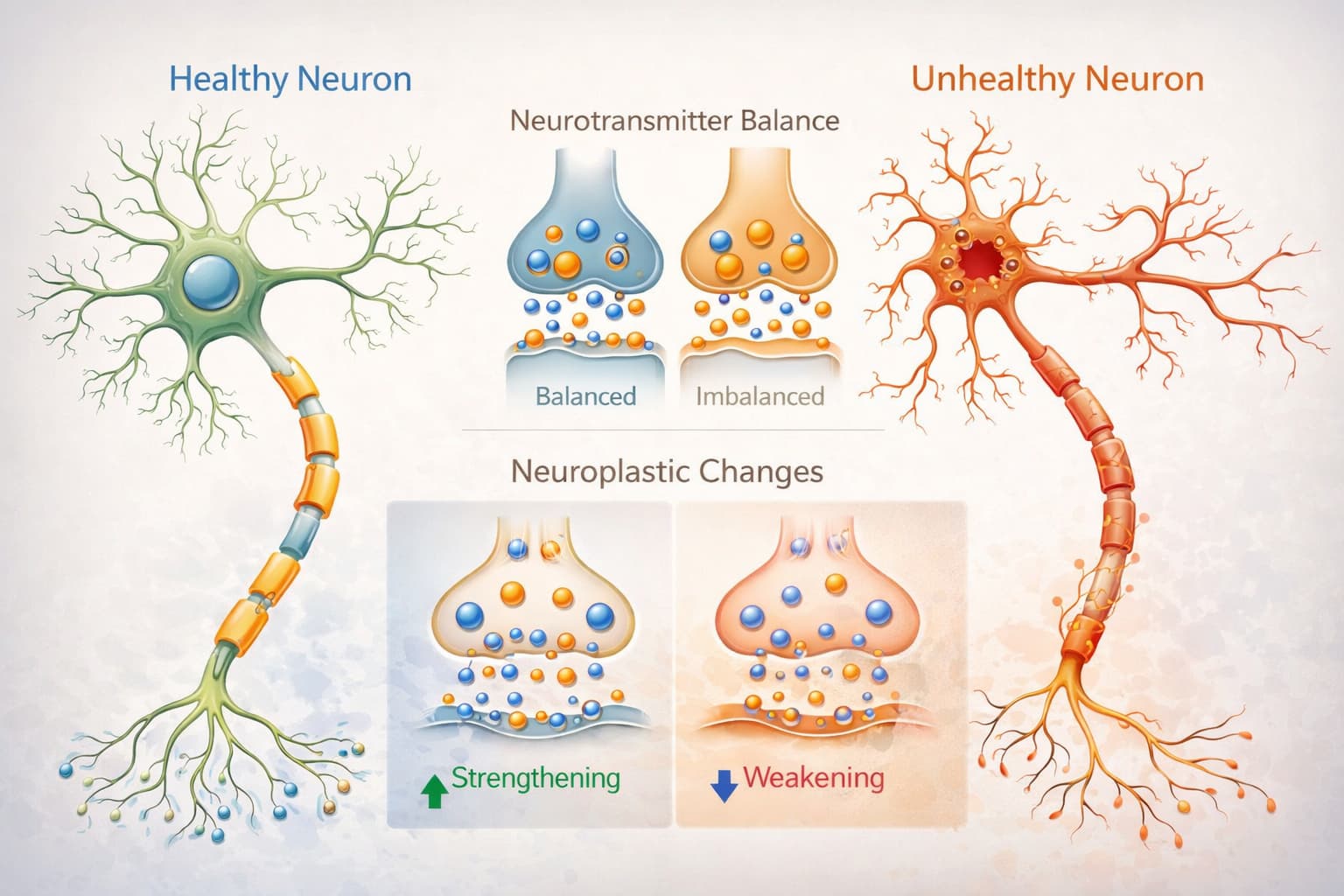
Your brain contains approximately 86 billion neurons—specialized cells that process and transmit information through electrical and chemical signals. Each neuron can form thousands of connections (synapses) with other neurons, creating networks of staggering complexity.
Healthy neurons share several key characteristics. They maintain robust energy production through mitochondria—the cellular powerhouses that generate ATP fuel. When mitochondrial function declines, neurons struggle to meet their enormous energy demands, leading to dysfunction and eventually death.
They preserve membrane integrity through proper lipid composition. Your brain is roughly 60% fat, and the specific fats comprising neuronal membranes dramatically affect how well neurons communicate. Optimal membrane composition requires specific fatty acids, particularly omega-3 DHA, which conventional diets often provide insufficiently.
They manage oxidative stress through antioxidant systems. Neurons generate reactive oxygen species as metabolic byproducts. While some oxidative activity is normal and even beneficial, excessive oxidation without adequate antioxidant protection damages cellular structures and DNA, accelerating cognitive decline.
They maintain proper protein folding and clearance. Neurons continuously produce proteins that must fold into specific shapes to function correctly. Misfolded proteins aggregate into toxic clumps—the hallmark of Alzheimer’s and other neurodegenerative diseases. Healthy brains efficiently identify and clear these problematic proteins before they accumulate.
Neurotransmitter Balance
Brain function depends on precise neurotransmitter balance—chemical messengers that neurons use to communicate across synapses. Research increasingly shows that cognitive symptoms often reflect neurochemical imbalances rather than structural damage.
Acetylcholine governs memory formation and learning. When production drops—whether from aging, nutrient deficiencies, or pineal gland dysfunction—new memories form inefficiently and recall becomes difficult.
Dopamine drives motivation, focus, and reward processing. Optimal levels support sustained attention and goal-directed behavior. Deficiency creates the mental fog, lack of drive, and difficulty concentrating that millions experience.
Serotonin regulates mood, sleep, and certain cognitive functions. Low serotonin contributes not just to depression but also to cognitive inflexibility and impaired decision-making.
GABA (gamma-aminobutyric acid) provides inhibitory control, preventing neural overstimulation. Proper GABA function supports calm focus and emotional regulation.
Glutamate is the primary excitatory neurotransmitter, essential for learning and memory. However, excessive glutamate becomes neurotoxic, damaging neurons through excitotoxicity.
Modern neuroscience reveals that supporting natural neurotransmitter production and balance—rather than artificially manipulating them with drugs—produces more sustainable cognitive benefits.
Neuroplasticity: The Brain’s Capacity for Change
Perhaps the most revolutionary discovery in recent neuroscience is the extent of adult neuroplasticity—the brain’s ability to reorganize, form new connections, and even generate new neurons throughout life.
For decades, dogma held that adult brains were essentially fixed—you lost neurons with aging and couldn’t grow new ones. This depressing view has been thoroughly overturned. Research published in 2025 definitively confirmed that adult hippocampi (memory centers) generate new neurons into the late 70s and potentially beyond.
Neuroplasticity occurs through several mechanisms. Synaptogenesis—the formation of new synaptic connections—happens constantly in response to learning and experience. Synaptic strengthening (long-term potentiation) makes frequently used connections more efficient. Synaptic pruning eliminates unused connections, optimizing neural networks.
Myelination—the process of insulating neural pathways with myelin sheaths—continues into adulthood, potentially speeding signal transmission along frequently used pathways. Neurogenesis—the birth of new neurons—occurs in specific brain regions, particularly the hippocampus.
The practical implication is profound: your brain remains capable of improvement and optimization throughout life. The question isn’t whether change is possible, but whether you’re providing the conditions that promote positive neuroplastic changes rather than negative ones.
The Threats: What Actually Damages Brain Health
Understanding what harms brain health is as crucial as knowing what helps. Modern neuroscience has identified specific mechanisms of damage—many of which conventional medicine underestimates or overlooks entirely.
Chronic Inflammation: The Silent Brain Killer
Neuroinflammation has emerged as perhaps the most significant driver of cognitive decline and neurodegenerative disease. Unlike acute inflammation (the beneficial immune response to injury or infection), chronic low-grade inflammation in brain tissue creates ongoing damage.
The mechanisms are insidious. Inflammatory signaling disrupts the blood-brain barrier—the protective membrane that normally shields brain tissue from harmful substances in the blood. Once compromised, toxins, pathogens, and inflammatory molecules enter brain tissue, triggering more inflammation in a self-perpetuating cycle.
Chronic inflammation impairs neural signaling, reduces neuroplasticity, and accelerates the accumulation of toxic proteins like beta-amyloid and tau—the proteins implicated in Alzheimer’s disease. It damages mitochondria, reducing cellular energy production. It interferes with neurotransmitter synthesis and function.
The sources of neuroinflammation extend beyond obvious causes like brain injury or infection. Poor diet (particularly high in processed foods, sugar, and omega-6 fats), chronic stress, poor sleep, sedentary lifestyle, obesity, and certain infections all contribute to systemic inflammation that affects the brain.
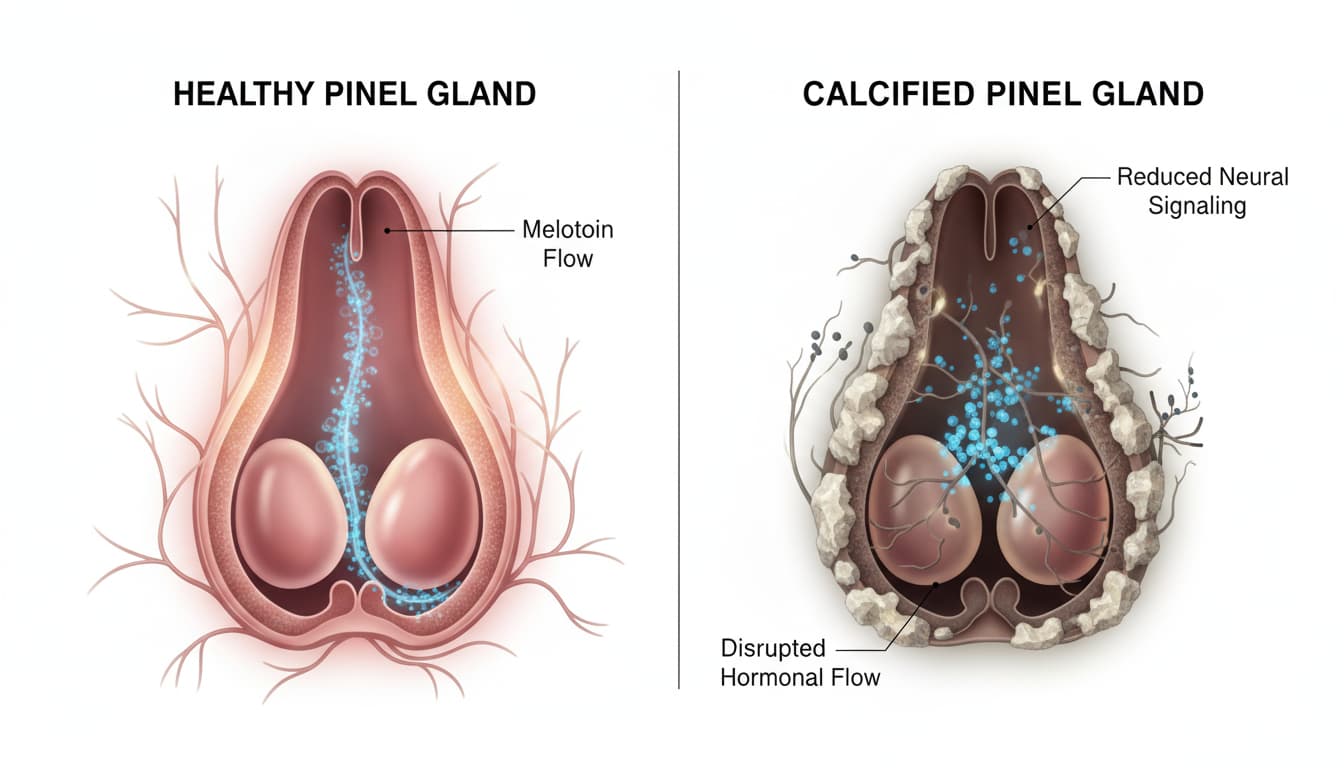
The pineal gland connection is particularly important here. When this central gland becomes calcified, it loses its ability to regulate inflammatory responses, allowing neuroinflammation to proceed unchecked.
Oxidative Stress and Free Radical Damage
Your brain’s high metabolic rate and rich lipid content make it particularly vulnerable to oxidative damage. Neurons consume enormous amounts of energy—though your brain represents only 2% of body weight, it uses about 20% of your oxygen supply.
This intense metabolic activity generates reactive oxygen species (free radicals)—unstable molecules that damage cellular structures through oxidation. While cells have antioxidant defenses, these systems can be overwhelmed by excessive free radical production or insufficient antioxidant support.
Oxidative damage accumulates over time, affecting mitochondria (reducing energy production), damaging neuronal membranes (impairing communication), mutating DNA (increasing cancer risk and cellular dysfunction), and promoting protein misfolding (contributing to neurodegenerative disease).
Factors that increase oxidative stress include poor diet lacking antioxidants, environmental toxins, chronic stress (which increases metabolic rate), inadequate sleep (when many repair processes occur), and ironically, intense exercise without adequate antioxidant support.
Toxic Accumulation
Modern life exposes brains to an unprecedented array of toxins—from environmental pollutants to food additives to medications. The cumulative effect of these exposures significantly impacts brain health, particularly as detoxification systems decline with age.
Heavy metals like mercury, lead, and aluminum accumulate in brain tissue, interfering with neurotransmitter function and promoting oxidative stress. Mercury particularly affects memory and cognitive processing. Lead exposure—even at levels once considered “safe”—correlates with cognitive decline decades later.
Fluoride deserves special attention. This ubiquitous compound in tap water and dental products accumulates preferentially in the pineal gland, potentially calcifying this crucial structure and impairing its function. Research has linked higher fluoride exposure to lower IQ in children and cognitive problems in adults, though these findings remain controversial and actively debated.
Pesticides, particularly organophosphates and other neurotoxic compounds, directly damage neurons and have been linked to increased Parkinson’s risk. Industrial chemicals like PCBs and dioxins, though now banned in many countries, persist in the environment and food chain, continuing to affect brain health.
Certain medications, while necessary for treating specific conditions, can impair cognitive function as side effects. Anticholinergics (used for allergies, sleep, overactive bladder), benzodiazepines (for anxiety), and even some common blood pressure and cholesterol medications affect memory and thinking in some individuals.
Vascular Compromise
Brain health critically depends on adequate blood flow. Your brain requires continuous oxygen and nutrient delivery—interruption for even minutes causes irreversible damage.
Conditions affecting vascular health therefore directly impact cognitive function. Atherosclerosis (arterial plaque buildup) reduces blood flow to the brain. Hypertension damages blood vessels over time. Diabetes affects both large and small blood vessels. High cholesterol contributes to arterial narrowing.
“Silent strokes”—small vessel blockages that don’t cause obvious symptoms—accumulate over time in many older adults, progressively damaging brain tissue. The cumulative effect of multiple small strokes can produce cognitive impairment indistinguishable from Alzheimer’s disease.
The vascular-cognitive connection explains why cardiovascular health interventions—exercise, blood pressure control, cholesterol management—produce cognitive benefits. What’s good for your heart truly is good for your brain.
The Protection: What Science Shows Actually Works
Armed with understanding of both the foundations of brain health and the threats against it, we can now examine what neuroscience reveals about effective protection and enhancement strategies.
The Non-Negotiable Foundations
Certain lifestyle factors are so fundamental that no amount of supplementation or pharmaceutical intervention can compensate for their absence. These form the essential foundation upon which all other interventions build.
Sleep quality stands paramount. During sleep, your brain clears metabolic waste through the glymphatic system—a waste clearance network that operates primarily during deep sleep. Inadequate sleep allows toxic proteins to accumulate. Research shows that even a single night of poor sleep increases beta-amyloid in brain tissue.
Sleep is also when memory consolidation occurs—the process of transferring information from temporary to permanent storage. The brain literally replays the day’s experiences during certain sleep stages, strengthening important connections and pruning irrelevant ones.
Seven to nine hours of quality sleep in complete darkness, with consistent timing, isn’t optional—it’s essential for long-term brain health.
Exercise provides benefits that no drug can replicate. Physical activity increases brain-derived neurotrophic factor (BDNF)—a protein that promotes neuron growth, strengthens synapses, and may even stimulate neurogenesis. It improves cerebral blood flow, enhances insulin sensitivity (protecting against diabetes-related cognitive decline), reduces inflammation, and promotes the birth of new mitochondria in existing cells.
The optimal prescription includes both aerobic exercise (150+ minutes weekly of moderate activity like brisk walking) and strength training (2+ sessions weekly). Even if you’ve been sedentary for decades, starting now provides measurable brain benefits within months.
Stress management is essential because chronic stress literally damages brain structure. Sustained high cortisol levels shrink the hippocampus, impair memory formation, reduce neuroplasticity, increase inflammation, and accelerate aging at the cellular level.
Effective stress management—through meditation, mindfulness, deep breathing, time in nature, social connection, or professional therapy—protects brain health as surely as any supplement or medication.
Targeted Nutritional Support
While lifestyle provides the foundation, specific nutrients offer targeted support for brain health mechanisms. Modern research has identified compounds with particularly strong evidence for cognitive benefits.
Omega-3 fatty acids, particularly DHA, are structural components of brain cell membranes. Adequate intake supports membrane fluidity (affecting how quickly neurons signal), reduces inflammation, may promote neurogenesis, and appears protective against cognitive decline. The evidence is strong enough that some researchers consider omega-3 supplementation as important as taking a multivitamin.
B-vitamins, especially B12, B6, and folate (as methylfolate), are required for neurotransmitter synthesis, support methylation reactions crucial for gene expression and DNA repair, help maintain the myelin sheaths insulating neural pathways, and reduce homocysteine (an amino acid linked to cognitive decline when elevated).
Antioxidants from both diet and supplements protect against oxidative damage. Compounds like vitamins E and C, coenzyme Q10, alpha-lipoic acid, and plant polyphenols (from berries, green tea, dark chocolate, colorful vegetables) neutralize free radicals before they damage cellular structures.
Specific botanicals have demonstrated cognitive benefits in research. Ginkgo biloba improves cerebral blood flow and may enhance memory. Bacopa monnieri has traditional use and modern evidence for memory support. Lion’s mane mushroom stimulates nerve growth factor. Curcumin provides powerful anti-inflammatory effects (though absorption is poor without enhancement).
Minerals like magnesium support hundreds of enzymatic reactions including those in the brain, while zinc is crucial for neurotransmitter function and provides antioxidant protection.
The challenge is that optimal brain nutrition requires multiple nutrients working synergistically. This is why comprehensive formulas that bring together multiple brain-supporting compounds in research-backed doses often outperform taking nutrients individually.
The Overlooked Priority: Pineal Gland Health
One of the most significant gaps in conventional brain health advice is the complete neglect of pineal gland health. This tiny structure, though known to mainstream medicine, is grossly underappreciated for its role in cognitive function.
Research reveals the pineal gland influences far more than just sleep through melatonin production. It affects neurotransmitter balance throughout the brain, regulates circadian rhythms that impact virtually every biological function, produces or influences compounds that may affect consciousness and cognition, and serves as a kind of “master regulator” for neurochemical systems.
The problem is that pineal calcification is nearly universal in older adults, with most people over 60 showing 60-80% calcification on brain imaging. This isn’t “normal aging”—it’s pathological accumulation of calcium deposits and toxins that impairs gland function.
Protecting and potentially reversing pineal calcification requires: minimizing fluoride exposure (the primary calcifying agent), supporting natural detoxification with compounds like chlorella, providing nutrients shown to break down calcium deposits (like tamarind extract), and ensuring adequate cofactors that prevent aberrant calcium deposition (vitamin K2, magnesium).
Addressing pineal health often produces cognitive benefits that surprise people—not just better sleep, but improved mental clarity, enhanced memory, and in some who pursue consciousness practices, deeper meditative or spiritual experiences.
The Integration: Putting Science into Practice
Understanding the science is one thing. Actually applying it to produce measurable improvements in brain health requires a systematic approach.
The Hierarchy of Interventions
Not all brain health strategies produce equal returns. Research suggests a hierarchy of interventions based on impact:
Tier 1 - Essential Foundation (Must-haves):
- Quality sleep (7-9 hours, complete darkness, consistent timing)
- Regular exercise (150+ min/week aerobic + 2x/week strength)
- Stress management (daily practice)
- Social connection and purpose
These basics are non-negotiable. Without them, higher-tier interventions produce disappointing results.
Tier 2 - High-Impact Additions:
- Omega-3 fatty acids (2000mg EPA+DHA daily)
- B-complex vitamins (particularly B12, B6, folate)
- Comprehensive antioxidant support
- Blood pressure and blood sugar optimization
These targeted interventions amplify the foundation’s effects.
Tier 3 - Specialized Support:
- Pineal gland support (Pineal Guardian comprehensive formula)
- Specific cognitive enhancers (bacopa, ginkgo, lion’s mane)
- Personalized interventions based on individual needs
This tier addresses specific concerns or optimizes particular aspects of cognitive function.
The Timeline of Improvements
When people implement comprehensive brain health strategies, improvements typically follow a predictable pattern:
Weeks 1-2: Sleep and energy improve. Better sleep comes first, often within days. Energy levels stabilize. Mood lifts slightly.
Weeks 3-6: Mental fog begins clearing. The persistent cloudiness affecting thinking starts lifting. Processing speed increases noticeably. Some memory improvements appear.
Weeks 7-12: Substantial cognitive gains. Memory recall improves markedly. Focus extends for longer periods. Learning new information becomes easier. Complex thinking feels less effortful.
Months 4-6: Sustained enhancement. Cognitive improvements stabilize at new, higher baselines. Many people report functioning at levels they haven’t experienced in years.
Beyond 6 months: Continued optimization. Long-term data shows that benefits continue accruing—the brain keeps healing, connections keep strengthening, function keeps improving.
The key is consistency. Benefits build cumulatively. Stopping interventions often leads to gradual return toward previous baselines, though not always to the original starting point.
Monitoring Progress
Objective tracking helps maintain motivation and allows course corrections. Consider monitoring:
Subjective measures: Daily notes on mental clarity, mood, energy, sleep quality. Weekly assessments of memory function and focus ability.
Cognitive testing: Free online tests (like those at CogniFit or Cambridge Brain Sciences) repeated monthly to track objective performance.
Sleep tracking: Apps or devices that monitor sleep duration, efficiency, and quality provide objective data on this crucial foundation.
Health biomarkers: Annual checkups monitoring cardiovascular risk factors, inflammation markers (like hs-CRP), vitamin D and B12 levels, and metabolic health.
Some specialized clinics now offer cognitive health panels including more advanced biomarkers of brain health and neurodegeneration risk, though these remain expensive and not always necessary.
The Solution: Comprehensive Brain Health Support
The complexity of maintaining optimal brain health—addressing inflammation, oxidative stress, neurotransmitter balance, vascular health, toxic exposure, pineal function, and more—can feel overwhelming. This is exactly why comprehensive, research-based formulas have become valuable tools.
Pineal Guardian represents a science-driven approach to brain health, bringing together nine specific ingredients that work synergistically to address multiple aspects of cognitive function simultaneously.
The formula targets inflammation with pine bark extract’s powerful proanthocyanidins, supports pineal decalcification with tamarind and detoxification with chlorella, enhances cerebral blood flow through ginkgo biloba, provides neurotransmitter precursors via spirulina, stimulates nerve growth factor with lion’s mane mushroom, and offers neuroprotection through bacopa, moringa, and neem.
Rather than taking a dozen separate supplements, this integrated approach ensures all key aspects of brain health receive appropriate support. The synergistic design means ingredients amplify each other’s effects—the whole genuinely exceeds the sum of its parts.
Users consistently report patterns of improvement matching what neuroscience predicts: better sleep within weeks, clearing mental fog by month two, substantial cognitive gains by month three, and sustained enhancement with continued use.
You can explore the detailed science behind each ingredient and read comprehensive testimonials at PureFocusLife.fun, or order directly with a satisfaction guarantee.
Your Path Forward
The science of brain health has advanced dramatically. We now understand mechanisms that were complete mysteries just years ago. We’ve identified specific interventions with strong evidence of benefit. We’ve confirmed that the brain retains remarkable healing capacity throughout life.
The question isn’t whether improvement is possible—research clearly confirms it is. The question is whether you’ll apply this knowledge or continue with outdated approaches that produce disappointing results.
Brain health isn’t about accepting inevitable decline. It’s about understanding biological reality and working with your brain’s natural healing systems rather than against them. It’s about providing what neurons need to thrive, removing what damages them, and supporting the structures—like the often-overlooked pineal gland—that regulate the entire system.
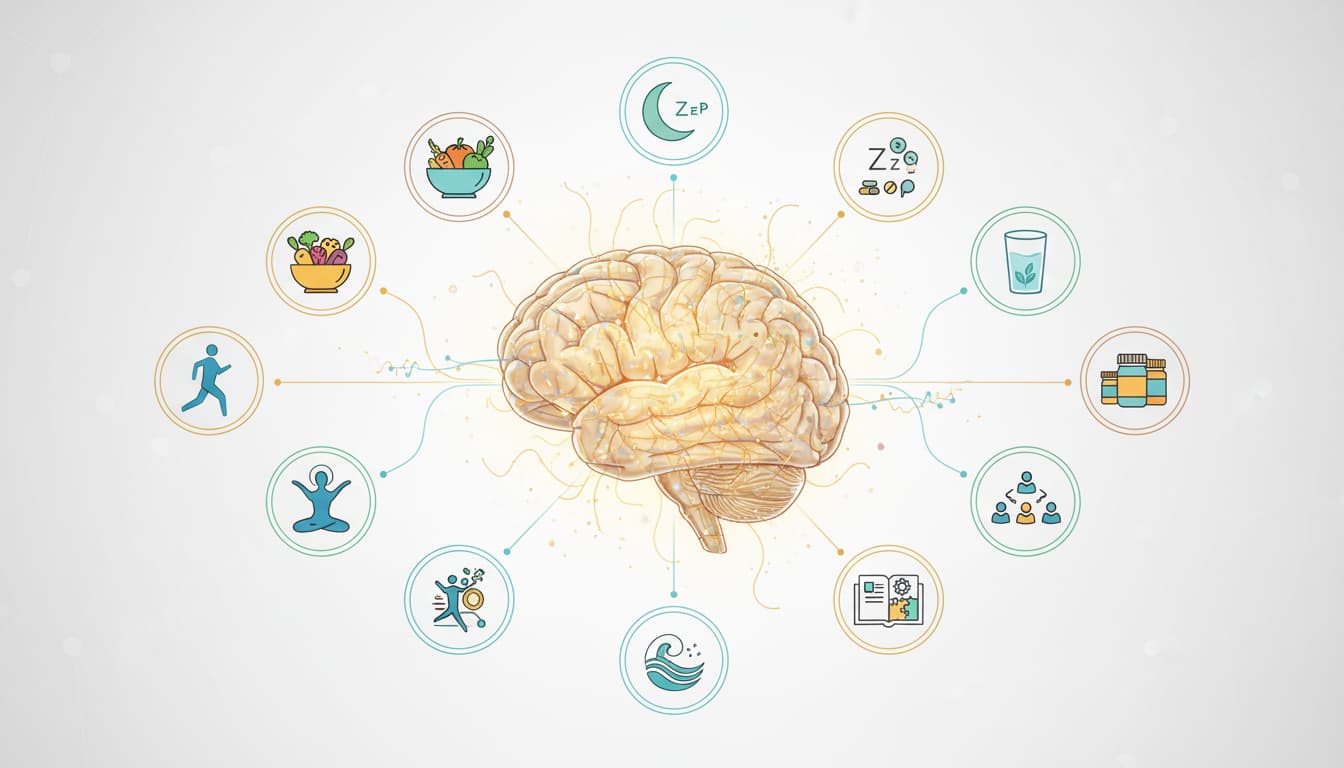
The interventions aren’t complicated: prioritize sleep, exercise, and stress management; provide targeted nutritional support; address threats like inflammation and toxins; and consider comprehensive solutions that work with your brain’s biology.
Start today. Your future self—thinking clearly, remembering easily, engaging fully with life—will thank you for the decision you make right now.
For those ready to take comprehensive action, Pineal Guardian offers research-backed support addressing multiple aspects of brain health simultaneously. Learn more about the science, explore testimonials from others who’ve transformed their cognitive function, and discover why addressing brain health comprehensively produces results that isolated interventions can’t match at PureFocusLife.fun.
Or order now with a satisfaction guarantee and begin your journey to optimal brain health today.
Your brain is capable of remarkable function throughout your entire life. Give it what it needs. Experience what’s possible when science guides your approach to brain health.
Get Your FREE Brain Health Guide
Download "7 Secrets to Brain Health" before you buy • Learn the science-backed strategies • No credit card required
Ready to Restore Your Memory?
Join thousands of people over 50 who have transformed their cognitive health with Pineal Guardian. Experience the mental clarity you deserve.
Share this article: