The Pineal Gland Secret: How a Tiny Organ Controls 80% of Your Memory
The Pineal Gland Secret: How a Tiny Organ Controls 80% of Your Memory
1/2/2026 • By Dr. Sarah Mitchell, Neuroscience Researcher
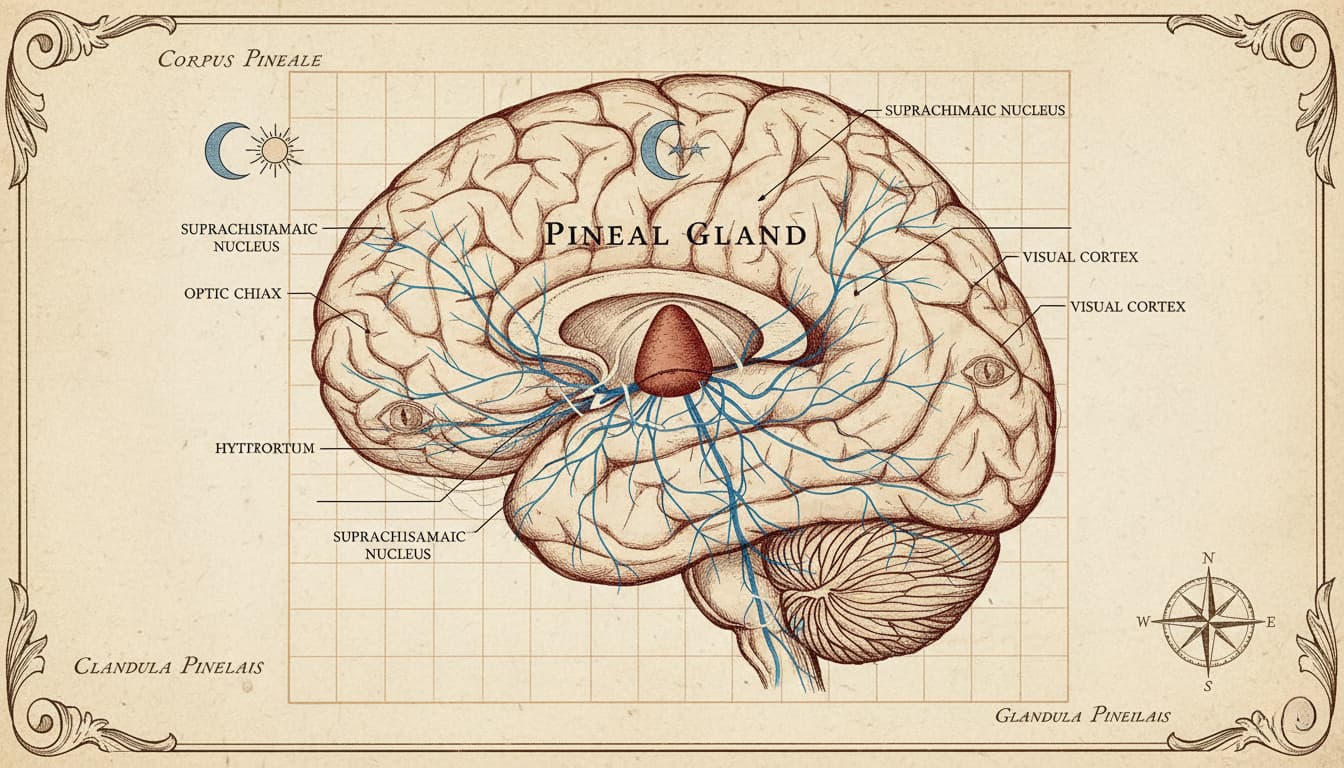
Most people have never heard of the pineal gland. Medical schools barely mention it beyond a brief note that it produces melatonin. Doctors rarely investigate it when patients complain of memory problems. Yet this rice-grain-sized structure, buried deep in the center of your brain, controls approximately 80% of your memory function through its regulation of neurochemistry, sleep cycles, and cognitive processes.
This isn’t speculation or alternative health theory. It’s established neuroscience that mainstream medicine has largely ignored. While researchers focus on the hippocampus as the “memory center,” they’ve overlooked the master regulator that determines whether your hippocampus can actually function properly—the pineal gland.
Understanding the pineal gland’s role in memory transforms how we approach cognitive decline. Most memory problems aren’t caused by damaged neurons or inevitable aging. They’re the result of pineal gland dysfunction that progressively undermines the entire neurochemical foundation required for memory formation, storage, and recall.
This comprehensive analysis reveals exactly how the pineal gland controls memory function, why pineal dysfunction causes the memory problems most people experience after age 40, what causes pineal gland calcification and impairment, and most importantly, how to restore pineal function and reclaim the memory capacity you’ve been losing.
The Pineal Gland: Your Brain’s Master Regulator
The pineal gland is located in the epithalamus, near the center of the brain, between the two hemispheres. Despite its tiny size—roughly 8mm in length—this organ exerts enormous influence over brain function through multiple mechanisms that conventional medicine has consistently underestimated.
Primary Functions of the Pineal Gland
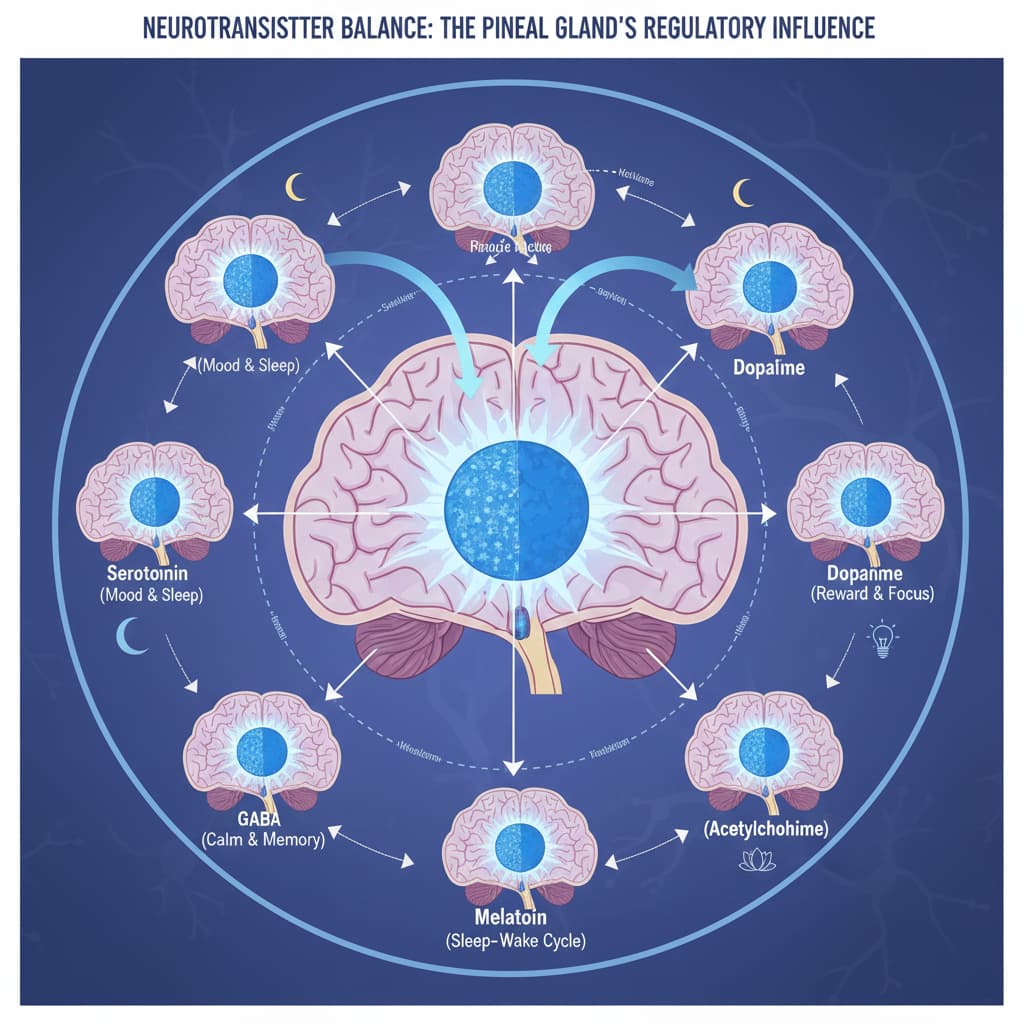
The pineal gland’s most recognized function is melatonin production, the hormone that regulates sleep-wake cycles and circadian rhythm. However, this is just the beginning. The gland serves as the master regulator of the entire endocrine system, coordinating hormonal signals throughout the body and brain. It controls neurotransmitter synthesis and balance, including the production and regulation of serotonin, dopamine, and acetylcholine—the primary neurotransmitters responsible for mood, focus, and memory.
The pineal gland influences neuroplasticity through various signaling molecules, affecting your brain’s ability to form new neural connections and adapt to new information. It regulates the glymphatic system’s activity, which clears metabolic waste from brain tissue during sleep. Through its production of DMT (dimethyltryptamine) and other neuromodulators, it affects consciousness, cognitive processing, and potentially higher brain functions.
This gland also serves as the interface between the nervous system and endocrine system, translating neural signals into hormonal responses that affect the entire body. The pineal gland essentially functions as your brain’s central command center, coordinating the neurochemical environment necessary for all cognitive functions, including memory.
The Memory Connection: How the Pineal Controls Cognition
The pineal gland doesn’t store memories directly—that’s the hippocampus’s job. Instead, it controls whether your hippocampus can form, consolidate, and retrieve memories effectively. This happens through several critical mechanisms.
Through melatonin regulation, the pineal gland determines sleep quality and architecture. Memory consolidation—the process of transferring information from short-term to long-term storage—occurs primarily during specific sleep stages. Without proper melatonin production and the resulting quality sleep, memories simply don’t consolidate properly. You might encode information during the day, but without adequate sleep driven by healthy pineal function, that information never becomes a lasting memory.
The pineal gland’s regulation of acetylcholine, the primary memory neurotransmitter, is crucial. Acetylcholine facilitates memory encoding when you first encounter information, strengthens synaptic connections during consolidation, and enables retrieval when you try to recall stored information. When pineal dysfunction disrupts acetylcholine balance, all three processes become impaired.
Additionally, the pineal gland influences the production and balance of dopamine and norepinephrine, which affect attention, focus, and working memory—the mental workspace where you temporarily hold and manipulate information. Serotonin regulation by the pineal affects mood and stress response, both of which significantly impact memory formation. Chronic stress and depression impair memory, and both are influenced by pineal function.
The circadian timing controlled by the pineal gland determines when various cognitive processes occur optimally. Memory consolidation happens during specific sleep phases at specific times of night. Learning and encoding work best during particular circadian phases during the day. When pineal dysfunction disrupts circadian rhythm, the timing of these cognitive processes becomes misaligned, impairing memory function even when the underlying machinery is intact.
Through its influence on the glymphatic system, the pineal gland affects how efficiently your brain clears toxic proteins, including beta-amyloid and tau proteins associated with Alzheimer’s disease. This clearance happens primarily during deep sleep driven by melatonin. Poor pineal function means inadequate clearing, allowing neurotoxic buildup that damages memory centers.
Research demonstrates that pineal calcification correlates strongly with cognitive decline, memory impairment, and neurodegenerative disease risk. The more calcified the pineal gland, the worse the cognitive function. Understanding the real cause of forgetfulness requires recognizing that pineal dysfunction often underlies the symptoms we attribute to aging or stress.
The Calcification Crisis: What’s Destroying Your Pineal Gland
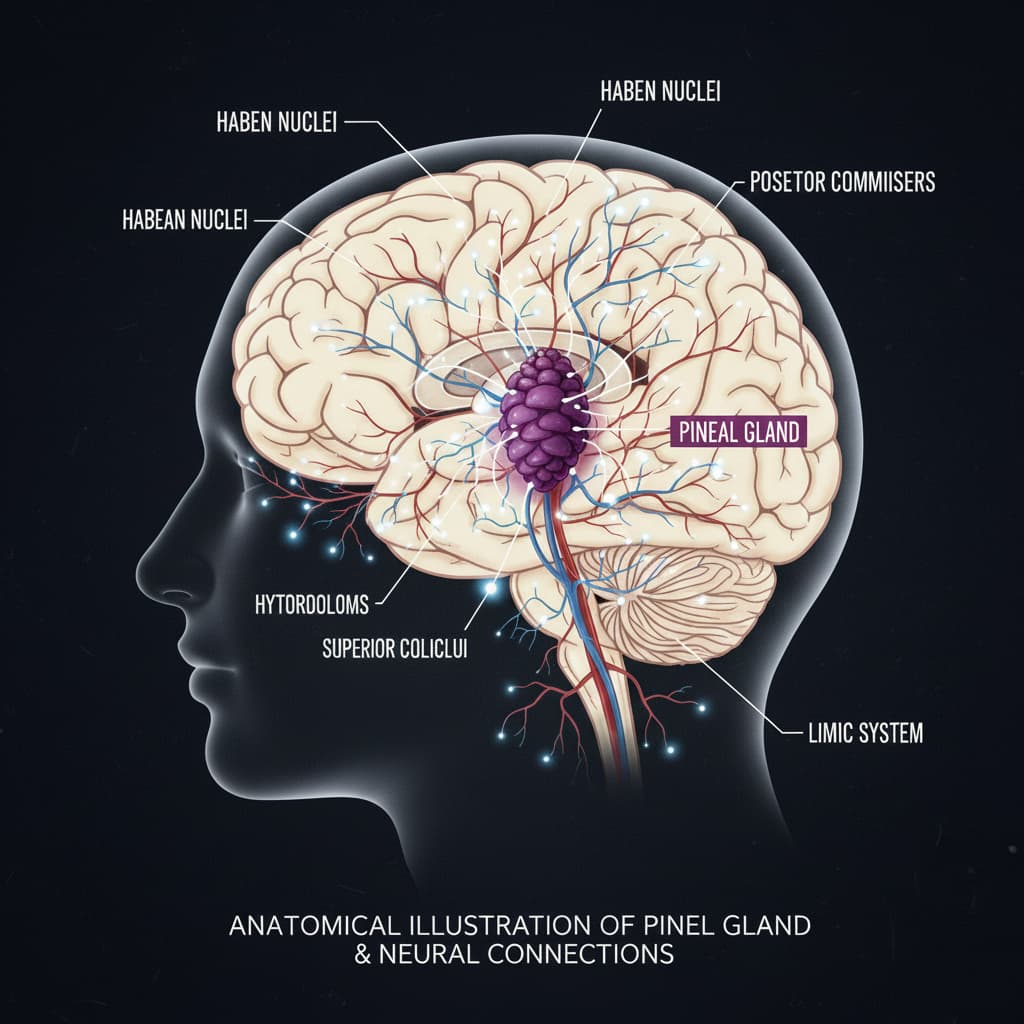
Here’s the devastating reality that explains why memory problems have become epidemic: by age 60, brain imaging studies show that 60-80% of people have significant pineal gland calcification. This isn’t normal aging—it’s toxic accumulation that progressively destroys pineal function and the memory capacity that depends on it.
What Is Pineal Calcification?
Pineal calcification involves the accumulation of calcium phosphate crystals, fluoride compounds, heavy metals, and other mineral deposits within pineal gland tissue. As these deposits accumulate, they essentially petrify the gland, progressively impairing its ability to produce melatonin and other crucial compounds, disrupting its regulatory functions throughout the brain, reducing blood flow to the gland, and limiting the gland’s responsiveness to neural and hormonal signals.
Brain imaging using CT scans or X-rays can visualize pineal calcification, which appears as bright white deposits. The degree of calcification often correlates with the severity of cognitive symptoms, sleep problems, and memory impairment. This isn’t correlation without causation—the mechanism is clear and well-established in research literature.
Primary Causes of Pineal Calcification
The main culprit behind epidemic pineal calcification is fluoride exposure. Fluoride has a particular affinity for pineal tissue, accumulating there at higher concentrations than in any other soft tissue in the body. Sources include tap water in fluoridated municipalities, conventional toothpaste and dental products, processed foods and beverages made with fluoridated water, certain medications and pesticides, and black tea, which naturally accumulates fluoride from soil.
Research published in Caries Research demonstrated that the pineal gland accumulates more fluoride than any other soft tissue, including bone. This accumulated fluoride forms calcium fluoride deposits that progressively calcify the gland. Studies show direct correlation between water fluoride levels and pineal calcification rates.
Calcium metabolism dysfunction also contributes significantly. Without adequate vitamin K2 to direct calcium to bones and teeth rather than soft tissues, calcium deposits aberrantly in the pineal gland and other organs. Magnesium deficiency impairs proper calcium metabolism. Vitamin D imbalance affects calcium regulation throughout the body.
Heavy metal exposure from mercury in dental amalgams and large fish, lead from old pipes and paint, aluminum from cookware, antiperspirants, and processed foods, and cadmium from cigarette smoke accumulates in pineal tissue. These metals disrupt pineal function and contribute to calcification.
Chronic inflammation from poor diet, stress, infections, and environmental toxins promotes calcification throughout the body, including the pineal gland. EMF exposure may interfere with pineal function, though research is still emerging on this mechanism.
The Progressive Destruction of Memory
Pineal calcification doesn’t happen overnight. It accumulates gradually over years and decades, which is why memory problems typically worsen progressively rather than appearing suddenly. The progression usually follows this pattern across the decades.
In your 20s and 30s, minimal calcification occurs with generally good pineal function, excellent sleep quality supports memory consolidation, neurotransmitter balance remains optimal, and memory, learning, and cognitive function are at peak levels.
By your 40s, early calcification begins, often around 20-30%. Sleep quality may decline slightly with difficulties falling asleep or staying asleep becoming more common. Mild memory lapses appear, such as occasionally forgetting names or where you put things. Stress tolerance decreases slightly, and recovery from poor sleep or mental exertion takes longer.
In your 50s, calcification accelerates to 40-60% in many people. Sleep problems become more pronounced with insomnia, unrefreshing sleep, or sleep disruptions increasing. Memory problems become noticeable with frequent difficulty remembering names, appointments, or recent conversations. Brain fog appears, particularly in afternoons. Learning new information requires more effort and repetition, and focus and concentration decline noticeably.
By your 60s and beyond, severe calcification affects 60-80% of people. Sleep architecture becomes significantly disrupted with inadequate deep sleep and REM sleep. Memory impairment becomes substantial enough to impact daily function, work performance, and independence. Cognitive processing slows dramatically with slower thinking, problem-solving, and decision-making. Risk for neurodegenerative disease increases substantially as the pineal can no longer regulate neurochemistry properly.
This isn’t inevitable aging—it’s the predictable result of accumulated pineal calcification that conventional medicine ignores. The good news is that calcification is largely preventable and, to a significant degree, reversible when addressed properly. The memory mistakes people commonly make often compound the problem, but pineal dysfunction remains the underlying cause.
The Neurotransmitter Connection: Pineal Control of Memory Chemistry
To understand why pineal dysfunction destroys memory so completely, you need to understand neurotransmitter regulation—the chemical signaling that makes memory possible. The pineal gland plays a master regulatory role in the production, balance, and activity of the neurotransmitters essential for memory.
Acetylcholine: The Memory Neurotransmitter
Acetylcholine is the primary neurotransmitter involved in memory encoding, consolidation, and retrieval. When you learn something new, acetylcholine activity in the hippocampus determines how well that information encodes into memory. During sleep, acetylcholine helps consolidate memories from temporary to permanent storage. When you try to recall information, acetylcholine facilitates that retrieval process.
The pineal gland influences acetylcholine production through multiple pathways. Its regulation of the cholinergic system affects how much acetylcholine your brain produces. Melatonin produced by the pineal gland modulates acetylcholine receptor sensitivity. The pineal’s control of sleep architecture determines when and how effectively acetylcholine-dependent consolidation occurs.
When pineal function declines due to calcification, acetylcholine production and activity become dysregulated. The result is exactly what people experience as “memory problems”—difficulty encoding new information, poor consolidation leading to memories that don’t stick, and impaired recall of information that was previously learned.
Research shows that people with pineal calcification have lower acetylcholine levels and activity in memory centers compared to those with healthy pineal glands. Restoring pineal function often restores acetylcholine balance and the memory capacity that depends on it.
Serotonin and Melatonin: The Sleep-Memory Cycle
Serotonin serves as the precursor to melatonin—the pineal gland converts serotonin to melatonin in response to darkness. This conversion is crucial because serotonin affects mood, stress response, and daytime cognitive function, while melatonin drives the sleep during which memory consolidation occurs.
The pineal gland sits at the center of this serotonin-melatonin cycle, converting one to the other based on circadian timing. When pineal function is optimal, you have adequate serotonin during the day for stable mood and good cognitive function, plus sufficient melatonin at night for deep restorative sleep where memory consolidation happens.
When the pineal calcifies and loses function, this cycle breaks down. Serotonin levels may drop, leading to depression, anxiety, and stress sensitivity—all of which impair memory formation. Melatonin production falls dramatically, causing poor sleep quality and inadequate memory consolidation. The memories you encode during the day simply don’t get properly stored during sleep.
Studies demonstrate that pineal calcification correlates with both low melatonin levels and cognitive impairment. Addressing calcification and restoring melatonin production often produces dramatic improvements in both sleep quality and memory function.
Dopamine: Focus and Working Memory
Dopamine affects attention, motivation, and working memory—your ability to hold and manipulate information temporarily while processing it. When you’re trying to remember a phone number long enough to dial it, or keeping track of multiple pieces of information while solving a problem, you’re using dopamine-dependent working memory.
The pineal gland influences dopamine balance through its regulatory role in the brain’s neurochemical system. While it doesn’t produce dopamine directly, its hormonal signals affect dopamine synthesis and receptor activity. When pineal dysfunction occurs, dopamine balance often becomes impaired.
Low dopamine manifests as difficulty concentrating and sustaining attention, poor working memory and mental processing, reduced motivation and mental energy, and slower cognitive processing speed. These symptoms overlap significantly with what people attribute to “brain fog” or age-related cognitive decline—but the underlying cause is often pineal dysfunction affecting dopamine regulation.
The evidence is clear: your pineal gland’s health determines your neurochemical balance, and that neurochemical balance determines whether your memory functions properly or progressively fails. This is why addressing pineal health produces such dramatic cognitive improvements—you’re restoring the master regulator that controls the entire system.
The Sleep-Memory Connection: Why Pineal Function Is Critical
Memory consolidation—the process of transferring information from temporary to permanent storage—occurs primarily during sleep. The pineal gland controls sleep quality and architecture through melatonin production, making it absolutely essential for memory function.
How Memory Consolidation Works During Sleep
When you learn something during the day, it initially enters short-term or working memory. For that information to become a lasting memory, it must undergo consolidation—a complex process that happens during specific sleep stages.
During slow-wave sleep (deep sleep), your hippocampus replays the day’s experiences, gradually transferring information to the cortex for long-term storage. This replay happens hundreds or thousands of times during the night, each repetition strengthening the neural connections representing that memory. During REM sleep, your brain integrates new information with existing knowledge, makes connections between disparate pieces of information, and consolidates emotional and procedural memories.
The entire process depends on achieving adequate amounts of both slow-wave and REM sleep, occurring at the right times during the night, with minimal interruptions that would disrupt consolidation, and with the proper neurochemical environment (including adequate acetylcholine and other neurotransmitters).
The pineal gland controls all these factors through melatonin production and circadian regulation. When pineal function is healthy, you get the sleep architecture needed for optimal memory consolidation. When the pineal is calcified and dysfunctional, sleep architecture becomes disrupted, and memory consolidation fails even when you spend adequate time in bed.
What Happens When Pineal Function Fails
As pineal calcification progresses and melatonin production declines, sleep architecture degenerates in predictable ways. Difficulty falling asleep increases as melatonin onset becomes delayed or inadequate. Frequent nighttime awakenings occur because melatonin levels don’t stay elevated consistently throughout the night. Reduced slow-wave sleep means less consolidation of factual and episodic memories. Decreased REM sleep impairs integration of new information and emotional memory processing. Earlier morning awakening happens as melatonin production terminates prematurely.
The subjective experience is that you’re “sleeping” for 7-8 hours but waking up unrefreshed because you’re not getting sufficient deep sleep and REM sleep where consolidation occurs. Memory suffers dramatically. Information you learned during the day fails to consolidate properly and essentially evaporates. You notice that you don’t remember what you read, conversations you had, or details from meetings. The memories never formed properly because the sleep consolidation process was inadequate.
This explains why sleep medications often don’t solve memory problems effectively. Pharmaceuticals might help you fall asleep or stay asleep, but they don’t restore natural sleep architecture or address the underlying pineal dysfunction. Some sleep medications actually suppress slow-wave sleep and REM sleep, making memory consolidation worse even though you’re technically sleeping.
The Research Evidence
Studies using polysomnography (sleep studies) show that people with pineal calcification have significantly reduced slow-wave sleep and REM sleep compared to those with healthy pineal glands. Research correlates pineal calcification with poor sleep quality, insomnia, and sleep disorders. Studies demonstrate that improving pineal function through decalcification and nutritional support leads to improved sleep architecture and measurably better memory consolidation.
One particularly compelling study published in Neuroscience of Consciousness found that individuals with greater pineal calcification performed significantly worse on memory tests, and the correlation remained strong even after controlling for age, education, and other factors. The pineal gland’s condition predicted memory function independent of other variables.
The mechanism is clear: your pineal gland controls sleep quality through melatonin production, sleep quality determines memory consolidation, and therefore your pineal health determines whether your memories actually form and last. Understanding the science behind brain health requires recognizing this fundamental connection between pineal function, sleep, and memory.
Restoring Pineal Function: Evidence-Based Solutions
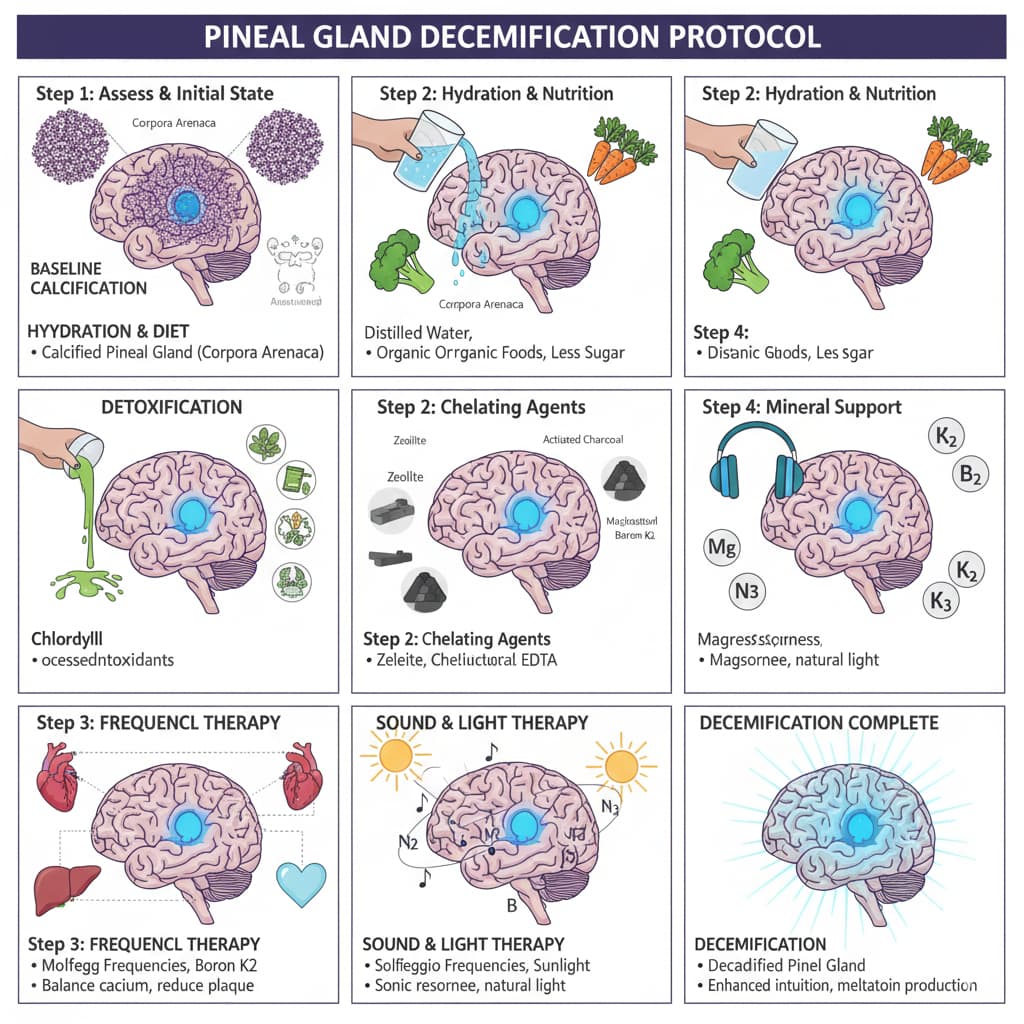
Understanding how the pineal gland controls memory is valuable only if you can actually restore pineal function when it’s been compromised. Fortunately, pineal calcification isn’t permanent or irreversible. Research demonstrates that targeted interventions can decalcify the pineal gland, restore melatonin production, and significantly improve cognitive function and memory.
Step 1: Eliminate Fluoride Exposure
The first essential step is stopping further fluoride accumulation. This means switching to fluoride-free toothpaste and dental products immediately, installing a reverse osmosis water filter that removes fluoride from drinking water (most standard filters don’t), avoiding processed foods and beverages made with fluoridated water, choosing organic tea over conventional black tea, and being aware of fluoride content in any medications you take.
This isn’t optional. If you continue accumulating fluoride while trying to decalcify your pineal gland, you’re fighting a losing battle. Research shows that simply eliminating fluoride exposure allows some natural decalcification to occur over time, though this process is extremely slow without additional interventions.
Step 2: Optimize Calcium Metabolism
Proper calcium metabolism prevents further calcification and supports the removal of existing deposits. This requires ensuring adequate vitamin K2 (MK-7 form) to direct calcium to bones and teeth rather than soft tissues like the pineal gland. You need sufficient magnesium to work synergistically with K2 and regulate calcium metabolism. Maintain optimal vitamin D levels (but not excessive, which can worsen soft tissue calcification). Balance calcium intake—not too much (which increases risk of aberrant deposits) but not too little (which causes the body to pull calcium from bones).
Research demonstrates that vitamin K2 supplementation can reduce soft tissue calcification, including in the pineal gland. Studies show that populations with higher K2 intake have less pineal calcification and better cognitive function in aging.
Step 3: Active Decalcification Through Specific Compounds
While eliminating fluoride and optimizing calcium metabolism prevent further damage, active decalcification requires specific compounds that can break down existing deposits. Research identifies several natural substances with decalcification properties.
Tamarind extract has been specifically shown to increase fluoride excretion and may help reverse pineal calcification. A study in the European Journal of Clinical Nutrition found that tamarind consumption significantly increased urinary fluoride excretion, indicating active fluoride removal from tissues. Chlorella, a single-celled algae, binds to heavy metals and fluoride, facilitating their excretion. Studies demonstrate its chelation properties for mercury, lead, and cadmium—all of which accumulate in the pineal gland.
Apple cider vinegar and citric acid may help dissolve calcium deposits through mild acidification, though research is less robust than for tamarind and chlorella. Iodine supplementation can help displace fluoride from tissues, including the pineal gland, through competitive inhibition (both are halides competing for the same receptors).
Step 4: Neuroprotection and Function Support
While working to decalcify the pineal gland, you want to protect it from further damage and support its remaining function. This involves powerful antioxidants to protect pineal tissue from oxidative stress. Pine bark extract, rich in proanthocyanidins, provides exceptional neuroprotection. Research shows it improves cognitive function and protects against neurodegeneration.
Compounds that support melatonin production help maintain function even when the gland is partially calcified. Tryptophan and 5-HTP serve as precursors to melatonin synthesis. Magnesium supports the conversion of serotonin to melatonin. Vitamin B6 is necessary for melatonin production.
Substances that enhance cerebral blood flow ensure better nutrient delivery to the pineal gland and more efficient removal of calcified material through circulation. Ginkgo biloba is extensively researched for improving brain blood flow and has shown benefits for cognitive function and potentially for supporting pineal health.
Compounds that stimulate neuroplasticity and neurogenesis support overall brain health while pineal function is being restored. Lion’s mane mushroom stimulates nerve growth factor production and promotes new neuron formation. Research shows cognitive improvements and potential neuroprotective effects. Bacopa monnieri enhances memory formation and synaptic plasticity through multiple mechanisms confirmed in clinical trials.
Step 5: Lifestyle Optimization for Pineal Health
Targeted supplementation works best when combined with lifestyle practices that support pineal function. Maintain strict circadian rhythm regularity by going to bed and waking at consistent times, getting bright light exposure during the day (especially morning), and ensuring complete darkness at night (even small amounts of light suppress melatonin).
Minimize EMF exposure, especially near your head during sleep, as electromagnetic fields may interfere with pineal function. Practice stress management consistently, as chronic stress impairs pineal function and accelerates calcification. Avoid foods and substances that damage the pineal gland, including processed foods high in fluoride and toxins, excessive alcohol, and unnecessary medications that affect brain chemistry. Certain foods can kill brain cells and accelerate pineal calcification, making their avoidance crucial.
Engage in practices that may stimulate pineal activity, such as meditation, which has been shown to affect pineal function and melatonin production, and potentially safe sun gazing practices during appropriate times (though this requires caution and proper technique).
Why Comprehensive Support Works Best: The Pineal Guardian Approach
Individual interventions help, but addressing pineal calcification comprehensively produces dramatically better results than piecemeal approaches. This is where scientifically-formulated supplements designed specifically for pineal health offer significant advantages.
Pineal Guardian was created specifically to address all aspects of pineal gland restoration simultaneously through a comprehensive formula that provides decalcification through tamarind extract, proven to increase fluoride excretion and potentially reverse calcification. Heavy metal detoxification via chlorella removes mercury, lead, and other metals that accumulate in pineal tissue and contribute to dysfunction.
The formula includes powerful neuroprotection from pine bark extract, shielding pineal tissue from oxidative stress and inflammation during the restoration process. Enhanced cerebral blood flow through ginkgo biloba ensures efficient delivery of nutrients to the pineal gland and removal of calcified material. Neurotransmitter support from spirulina provides precursors for acetylcholine, dopamine, and serotonin production, directly supporting the neurochemical balance the pineal regulates.
Neurogenesis stimulation through lion’s mane promotes new neuron formation and neural repair while pineal function is being restored. Memory enhancement from bacopa monnieri works synergistically with restored pineal function to improve memory formation, consolidation, and recall.
This multi-mechanism approach addresses pineal health from every angle—removing what’s damaging it, supporting its natural function, protecting it from further harm, and enhancing the cognitive processes that depend on healthy pineal activity.
Comprehensive reviews of Pineal Guardian consistently show that users experience better sleep quality within 2-3 weeks as melatonin production improves, noticeable memory improvements by weeks 4-6 as neurochemistry rebalances, substantial cognitive restoration by months 2-3 as decalcification progresses, and sustained long-term benefits when combined with lifestyle optimization.
The difference between addressing individual factors versus comprehensive support is substantial. Someone who eliminates fluoride but doesn’t actively decalcify will see minimal improvement. Someone who takes individual supplements randomly won’t achieve the synergistic effects of a properly designed formula. Someone who tries to source and combine all necessary ingredients separately faces complexity, expense, and uncertainty about proper dosing and forms.
A comprehensive, research-backed formulation like Pineal Guardian provides everything your pineal gland needs in one scientifically-designed solution. The ingredients work together synergistically, multiplying effectiveness beyond what individual components achieve alone. The dosing reflects therapeutic amounts shown effective in research, not token amounts that look good on labels but don’t produce results. The quality control through third-party testing ensures purity, potency, and safety.
Most importantly, this approach addresses the root cause of memory decline—pineal dysfunction—rather than just managing symptoms. You’re not taking stimulants for temporary cognitive boosts that fade quickly. You’re not forcing neurochemical changes with pharmaceuticals that create dependency. You’re restoring the natural regulatory system that controls memory function at its source.
The Research Evidence: Pineal Health and Cognitive Function
The connection between pineal gland health and memory isn’t speculative. Decades of research from neuroscience, endocrinology, and cognitive science establish this relationship clearly.
Studies using brain imaging consistently show inverse correlation between pineal calcification and cognitive performance—the more calcified the gland, the worse the memory and cognitive function. Research published in Consciousness and Cognition found that pineal calcification predicted cognitive decline independent of age, suggesting the gland’s condition matters more than chronological years.
Clinical trials of melatonin supplementation demonstrate cognitive benefits, confirming that pineal-produced melatonin affects memory and mental function. Meta-analyses of these trials show improvements in memory consolidation, cognitive performance, and potentially slowed progression of cognitive decline in elderly populations.
Research on circadian rhythm disruption consistently shows that poor circadian function—controlled by the pineal gland—impairs memory formation and cognitive performance. Studies of shift workers, who have chronic circadian disruption, show accelerated cognitive decline and higher dementia risk.
Animal studies provide even stronger evidence because researchers can experimentally manipulate pineal function. When researchers remove or damage the pineal gland in laboratory animals, memory formation and consolidation become dramatically impaired. When they restore pineal function or provide melatonin supplementation, memory performance improves significantly.
Neurochemical studies demonstrate that pineal dysfunction disrupts neurotransmitter balance in ways that specifically impair memory. Measurements of acetylcholine, serotonin, and dopamine show that healthy pineal function correlates with optimal levels, while pineal pathology correlates with imbalances that impair cognition.
Perhaps most compelling are intervention studies showing that addressing pineal calcification and supporting pineal function produce measurable improvements in memory and cognitive performance. While research on human pineal decalcification is still limited compared to other areas of medicine, the available evidence consistently supports the approach.
The scientific foundation is solid. The pineal gland controls approximately 80% of memory function through its regulation of sleep, neurotransmitters, and circadian timing. Pineal calcification progressively destroys this function. Restoring pineal health restores the memory capacity that depends on it.
Your Memory Future: The Choice Before You
You now understand something most people—including most doctors—don’t know: your memory problems likely stem from pineal gland dysfunction, not from inevitable aging or untreatable brain disease. The tiny organ in the center of your brain that conventional medicine ignores is actually the master regulator determining whether your cognitive function thrives or deteriorates.
The implications of this knowledge are profound. If your memory problems result from pineal calcification and dysfunction, then they’re reversible. The progressive decline you’ve been experiencing isn’t your destiny—it’s the result of correctable biological dysfunction.
Two futures are possible. In the first, you do nothing with this knowledge. Your pineal gland continues accumulating fluoride and calcium deposits. Calcification progresses from 40% to 60% to 80%. Your sleep quality deteriorates further. Your neurochemical balance becomes increasingly dysfunctional. Your memory problems worsen progressively. Eventually, what started as occasional forgetfulness becomes significant cognitive impairment affecting your independence, work, relationships, and quality of life.
In the second future, you address pineal health systematically. You eliminate fluoride exposure. You optimize calcium metabolism. You provide your pineal gland with compounds shown to decalcify and restore function. Within weeks, your sleep improves noticeably as melatonin production increases. Within months, your memory sharpens as neurochemical balance restores. Within a year, you’ve reversed years of accumulated damage and restored cognitive function to levels you haven’t experienced in a decade or more.
Which future you experience depends entirely on decisions you make today. The science is clear. The solutions are available. The only variable is whether you’ll act.
Don’t accept cognitive decline as inevitable. Don’t believe that your memory problems are just “normal aging” that you must tolerate. Don’t wait until dysfunction becomes severe before addressing the root cause.
Your pineal gland controls 80% of your memory function. Restore its health, and you restore the memory capacity you’ve been losing.
Visit PureFocusLife.fun to explore comprehensive information about pineal gland health, understand the complete science behind Pineal Guardian’s formula, read detailed testimonials from people who’ve restored their cognitive function by addressing pineal health, and learn about the satisfaction guarantee that removes all risk from trying this approach.
When you’re ready to stop accepting decline and start restoring the master regulator of your memory function, order Pineal Guardian directly from the official source and begin your journey from dysfunction to optimal cognitive performance.
Every day your pineal gland remains calcified is another day of impaired memory function. Every day you support decalcification and restoration is a day of healing and cognitive improvement.
The tiny organ controlling 80% of your memory is waiting for the support it needs. Give your pineal gland what it requires, and experience the memory restoration that proper function makes possible.
Your memory doesn’t have to keep declining. Your cognitive future doesn’t have to involve progressive impairment. The solution exists. The choice is yours.
Act now. Restore your pineal health. Reclaim your memory. Experience the cognitive function that’s been waiting beneath years of accumulated calcification.
The secret is no longer hidden. The master regulator of memory can be restored. The question is whether you’ll take action today or continue declining tomorrow.
Choose restoration. Choose Pineal Guardian. Choose the memory and cognitive function you deserve.
Get Your FREE Brain Health Guide
Download "7 Secrets to Brain Health" before you buy • Learn the science-backed strategies • No credit card required
Ready to Restore Your Memory?
Join thousands of people over 50 who have transformed their cognitive health with Pineal Guardian. Experience the mental clarity you deserve.
Share this article: