The Pineal Gland: Complete Scientific & Spiritual Guide 2025
The Pineal Gland: Complete Scientific & Spiritual Guide 2025
12/19/2025 • By Dr. Sarah Mitchell, Neuroscience Researcher

Dr. Emma Rodriguez sat in her neuroscience lab at 3 AM, staring at brain scans that defied everything she’d been taught. The pineal gland—that tiny, supposedly insignificant structure her professors had dismissed in medical school—was lighting up like a Christmas tree in meditators experiencing profound states of consciousness. The calcified glands of her control group? Dark, dormant, silent.
For the first time in her twenty-year career, she understood why ancient cultures across the world—from Egypt to India, from Greece to China—had revered this mysterious gland as the gateway between physical and spiritual realms. They weren’t being mystical or unscientific. They were observing something real that modern medicine had forgotten.
This comprehensive guide bridges the gap between ancient wisdom and cutting-edge science, revealing everything you need to know about the pineal gland—its biological functions, spiritual significance, the powers it may unlock, and most importantly, how to protect and activate this crucial structure that’s been called humanity’s “third eye.”
What Is the Pineal Gland: The Scientific Foundation
Before diving into the mystical aspects that have captivated spiritual seekers for millennia, let’s establish the solid scientific foundation. The pineal gland is real, measurable, and plays crucial roles that mainstream medicine is only beginning to fully appreciate.
Physical Location and Structure
The pineal gland (also called the epiphysis cerebri or epiphysis) is a small endocrine gland located near the center of your brain. Positioned between the two hemispheres in an area known as the epithalamus, it sits in a groove where the two halves of the thalamus join—literally at the geometric center of your brain.
This location is not coincidental. The gland is perfectly positioned to receive neural signals from both hemispheres, connect with the hypothalamus (your body’s master control center), and influence the entire brain through its hormone production.
The gland is tiny—about the size of a grain of rice or a pea, roughly 5-8 millimeters in length. Despite its small size, it’s remarkably well-vascularized, receiving more blood flow per cubic volume than almost any other part of your brain except the kidneys. This high blood flow allows the hormones it produces to quickly reach the rest of your body.
The pineal gland gets its name from its distinctive pinecone shape—“pine”-al from the Latin pinea (pinecone). This shape appears in ancient art and architecture across multiple cultures, suggesting that civilizations thousands of years ago somehow knew about and revered this tiny brain structure.
Primary Biological Functions
The pineal gland’s main scientifically established function is producing and secreting melatonin—a hormone that regulates your sleep-wake cycle (circadian rhythm). Here’s how it works:
The gland is photosensitive, meaning it responds to light even though it’s buried deep in your brain. Light information travels from your eyes through a neural pathway called the retinohypothalamic tract, informing the pineal gland whether it’s day or night.
During daylight hours, light inhibits melatonin production, keeping you alert and awake. As darkness falls, the pineal gland begins secreting melatonin, signaling your body and brain that it’s time to wind down and sleep. Melatonin levels peak in the middle of the night and decline toward morning, preparing you to wake up.
But melatonin does far more than just make you sleepy. Research has revealed it’s a powerful:
- Antioxidant protecting brain cells from oxidative damage
- Anti-inflammatory compound reducing neuroinflammation
- Neuroprotective agent potentially slowing cognitive decline
- Immune system regulator supporting overall health
- Mood stabilizer influencing serotonin and dopamine balance
Beyond melatonin, the pineal gland produces or influences other neurochemicals that remain under active investigation. Some researchers believe it may produce DMT (N,N-Dimethyltryptamine)—a powerful psychedelic compound that occurs naturally in many plants and possibly in the human brain. While this remains controversial and not fully proven, it would help explain some of the profound consciousness experiences associated with pineal activation.
The Connection to Other Brain Systems
The pineal gland doesn’t function in isolation—it’s intimately connected to other crucial brain structures, creating an integrated system for regulating consciousness, mood, and cognitive function.
It works closely with the pituitary gland (the “master gland” of the endocrine system), coordinating hormone production that affects virtually every body system. It connects with the hypothalamus, influencing appetite, body temperature, emotions, and many other vital functions.
Perhaps most intriguingly, the pineal gland influences neurotransmitter production throughout the brain. Understanding this connection helps explain why when the pineal gland becomes calcified or dysfunctional, people experience not just sleep problems but also memory issues, brain fog, mood disturbances, and declining cognitive function.
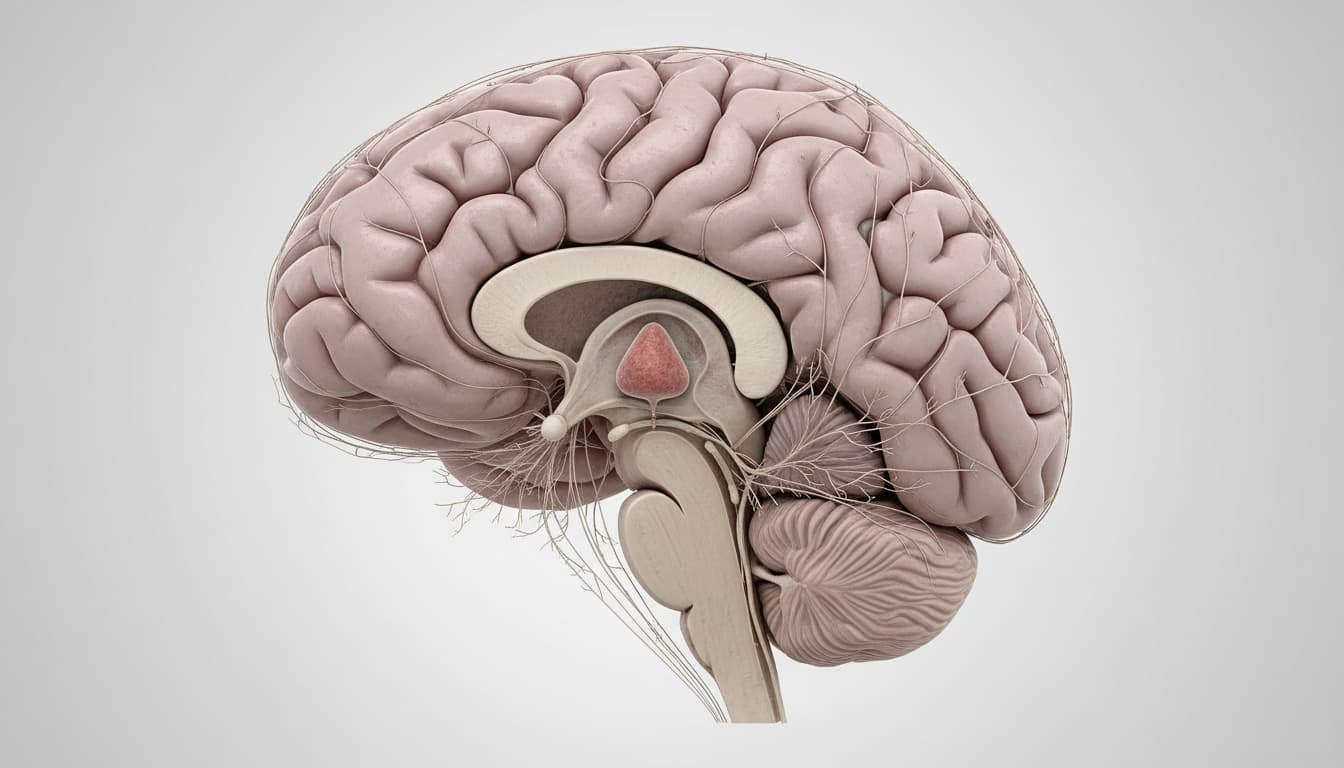 Caption: Perfectly positioned at your brain’s center, the pineal gland coordinates with other structures to regulate consciousness, sleep, mood, and cognitive function
What Are the Powers of the Pineal Gland: Ancient Wisdom Meets Modern Science
For thousands of years, mystics, philosophers, and spiritual teachers have claimed the pineal gland possesses extraordinary powers. Modern skeptics dismissed these claims as superstition. But recent research is discovering that the “powers” ancient traditions described may have scientific basis after all.
The Third Eye: More Than Metaphor
In Hindu tradition, the pineal gland corresponds to the Ajna or “third eye” chakra—believed to be the center of intuition, insight, and higher perception. Buddhism associates it with advanced meditative states. Ancient Egyptians symbolized it with the Eye of Horus. The practice appears across cultures that had no contact with each other, suggesting independent discovery of the same phenomenon.
Why did so many traditions independently identify this specific brain structure as special? Recent research provides clues:
The pineal gland contains actual photoreceptor cells similar to those found in your eyes—the only part of your brain with this feature. In some animals (like certain lizards and fish), the pineal actually functions as a literal third eye, complete with lens and retina. In humans, these structures have been internalized but may still detect light in ways we don’t fully understand.
Studies using brain imaging during deep meditation show dramatic increases in pineal gland activity. Experienced meditators often report visual experiences—seeing lights, colors, or imagery—even with eyes closed in complete darkness. The mechanism behind this isn’t fully understood, but the correlation between pineal activation and visual perception during altered states of consciousness is consistently observed.
Intuition and Insight
One of the most commonly reported “powers” of an activated pineal gland is enhanced intuition—sudden knowing without logical reasoning, heightened perception of patterns, increased sensitivity to subtle information that bypasses normal senses.
From a neuroscience perspective, this makes sense. The pineal gland’s central location and connections to multiple brain regions position it to integrate information from both hemispheres—the logical left brain and the intuitive right brain. When functioning optimally, it may facilitate communication between these systems, allowing insights that purely rational thinking misses.
Research on intuition suggests it often involves rapid, unconscious pattern recognition based on information the conscious mind hasn’t fully processed. If the pineal gland helps coordinate different brain regions and influences neurotransmitter balance, optimizing its function could genuinely enhance intuitive capabilities.
Consciousness Expansion and Spiritual Experience
Perhaps the most fascinating claimed “power” is the pineal gland’s role in mystical experiences—states of expanded consciousness, feelings of unity with the universe, encounters with transcendent realities.
The possible (though still debated) production of DMT by the pineal gland would provide a direct mechanism for such experiences. DMT is known to produce profound alterations in consciousness, vivid visual experiences, and feelings of encountering other dimensions or entities. If the pineal naturally produces this compound during certain states (deep meditation, near-death experiences, intense spiritual practices), it would explain thousands of years of reported mystical experiences.
Even without DMT, the pineal’s role in regulating melatonin, serotonin, and potentially other neurochemicals means it directly influences brain states associated with consciousness. The gland’s activity patterns change during different consciousness states—waking, sleeping, dreaming, and potentially other altered states.
Memory, Learning, and Cognitive Enhancement
While ancient traditions focused on spiritual powers, modern research reveals the pineal gland’s influence on everyday cognitive functions may be equally important.
Studies have found correlations between pineal gland health and:
- Memory formation and recall—properly functioning pineal supports the neurochemical balance needed for memory
- Mental clarity and focus—the gland’s influence on neurotransmitters affects concentration
- Learning capacity—optimal pineal function supports the brain changes underlying learning
- Cognitive flexibility—the ability to adapt thinking and switch between concepts
The connection between pineal health and cognitive function explains why calcification of this gland often corresponds with declining mental performance—not because of spiritual blockage, but through disruption of crucial biological processes.
Mood Regulation and Emotional Balance
The pineal gland’s influence on serotonin and melatonin production means it plays a significant role in emotional health. People with healthy pineal function typically report:
- More stable moods with fewer dramatic swings
- Better stress resilience and emotional recovery
- Reduced anxiety and worry
- Greater sense of inner peace and contentment
- Enhanced emotional intelligence and empathy
Whether you view these benefits through a spiritual or purely biological lens, the effects are real and measurable.
What Is Pineal Power Spiritual Meaning: Bridging Worlds
The concept of “pineal power” extends far beyond simple biology into domains of human experience that science is only beginning to explore with proper rigor.
The Seat of the Soul
René Descartes, the famous philosopher and mathematician, called the pineal gland “the seat of the soul”—the place where mind and body interact, where consciousness interfaces with physical form. While modern neuroscience doesn’t use terms like “soul,” research into consciousness and the hard problem of how subjective experience arises from brain activity continues to puzzle scientists.
The pineal gland’s unique features make it a plausible candidate for special roles in consciousness:
- It’s the only unpaired midline brain structure (everything else comes in left-right pairs)
- It sits outside the blood-brain barrier, allowing it to sample and influence blood chemistry directly
- It produces hormones that affect the entire brain and body
- Its activity correlates with different states of consciousness
- It responds to light even though it’s buried deep in the brain
Whether or not it’s literally the “seat of the soul,” the pineal gland clearly occupies a special position in both brain anatomy and function.
The Gateway Between Worlds
Many spiritual traditions view the activated pineal as a gateway or bridge between different levels of reality—physical and spiritual, material and energetic, conscious and superconscious.
From a neuroscience perspective, we might reframe this as: the pineal gland serves as an interface between external environmental signals (light/darkness cycles) and internal biological responses (sleep/wake cycles, hormone production). It translates information from one domain (light) into another (hormones and neurotransmitters).
If the gland does produce or respond to substances like DMT that dramatically alter consciousness, it could serve as a biological mechanism for accessing unusual states of awareness—a genuine “gateway” in that sense.
Kundalini and Energy Systems
In yogic traditions, the pineal corresponds to the highest chakra that can be activated while still maintaining connection to physical embodiment. Kundalini energy—often described as rising from the base of the spine through energy centers—is said to culminate at the pineal, producing enlightenment or spiritual awakening.
While concepts like “energy centers” don’t have direct counterparts in conventional neuroscience, the general principle maps surprisingly well onto known anatomy. The spine contains the spinal cord with nerve pathways. The brain contains structures (including the pineal) that regulate consciousness. Activating these systems through specific practices (meditation, breathing techniques, physical postures) does produce measurable changes in brain activity and consciousness.
Universal Consciousness and Unity Experience
Perhaps the most profound spiritual claim about the pineal gland is that its full activation allows direct perception of underlying unity—the recognition that apparent separation between self and other, between individual and universe, is an illusion.
Neuroscience has actually found biological basis for such experiences. Studies of meditators and people taking psychedelics (which may work through mechanisms similar to pineal-produced compounds) show decreased activity in the brain’s “default mode network”—the system that maintains your sense of separate self. When this network quiets, people consistently report experiences of boundary dissolution and unity with everything.
Whether these experiences reveal objective metaphysical truth or represent specific brain states is debated. But the experiences themselves—and their association with pineal gland activity—are real and reproducible.
How Can I Activate My Pineal Gland: Practical Techniques
Understanding the pineal gland’s importance is one thing. Actually activating and optimizing its function is another. Here are evidence-based and traditional practices for pineal activation.
Meditation Practices for Pineal Activation
Meditation remains the most universally recommended practice across both spiritual traditions and modern research for activating the pineal gland.
Third Eye Meditation:
- Sit comfortably with spine straight
- Close your eyes and bring attention to the center of your forehead, slightly above and between your eyebrows
- Visualize an indigo or violet light at this point
- Breathe deeply and slowly, maintaining focus on this area
- If your mind wanders, gently return attention to the third eye region
- Practice for 15-30 minutes daily
Research shows this focused attention correlates with increased activity in the pineal region. Whether the visualization itself matters or it’s simply the focused attention that creates benefits is debated, but the practice consistently produces results.
Trataka (Candle Gazing): An ancient yoga practice specifically designed to stimulate the pineal gland:
- Light a candle and place it at eye level, about arm’s length away
- Gaze steadily at the flame without blinking for as long as comfortable
- When eyes water or you need to blink, close eyes and visualize the flame in your third eye region
- Alternate between open-eye gazing and closed-eye visualization
- Practice for 10-15 minutes
This technique trains the visual system and may directly stimulate photoreceptive elements in the pineal gland.
Sound Frequencies and Vibrational Activation
Certain sound frequencies are believed to stimulate pineal gland function. While scientific evidence is limited, many practitioners report benefits.
936 Hz frequency is often called the “pineal gland activator frequency.” Listening to music or tones at this frequency while meditating may enhance effects.
Chanting “OM” creates vibrations that resonate through the skull and brain. The specific pitch and duration may stimulate various brain regions including the pineal gland.
Sunlight and Darkness Cycles
The pineal gland responds to light, so optimizing your light exposure patterns supports healthy function:
Morning sunlight: Get 10-20 minutes of natural sunlight within an hour of waking. This helps set your circadian rhythm and signals the pineal to reduce melatonin production appropriately.
Darkness at night: Create complete darkness for sleep. Even small amounts of light can inhibit melatonin production. Use blackout curtains or an eye mask.
Avoid blue light before bed: Screen light suppresses melatonin. Stop using phones, computers, and bright lights at least 1-2 hours before sleep, or use blue-blocking glasses.
Breathwork and Pranayama
Breathing practices influence brain chemistry and may activate the pineal gland.
Alternate Nostril Breathing:
- Close right nostril, inhale through left
- Close left nostril, exhale through right
- Inhale through right
- Close right, exhale through left
- Continue for 5-10 minutes
This balances the nervous system and may harmonize brain hemisphere activity, potentially supporting pineal function.
Breath Retention (Kumbhaka): Holding breath after inhalation or exhalation creates specific physiological changes that traditional practices claim activate the pineal gland. However, work with a qualified teacher if exploring advanced pranayama techniques.
Yoga Asanas
Certain yoga poses are traditionally associated with pineal activation:
Child’s Pose (Balasana): Brings gentle pressure and increased blood flow to the forehead region
Headstand (Sirsasana): Inverts body position, changing blood flow patterns to the brain (only for experienced practitioners)
Forward Folds: May influence pressure and blood flow in the head region
Sleep Optimization
Since the pineal gland’s primary function involves sleep regulation, optimizing sleep supports its health:
- Maintain consistent sleep-wake times, even on weekends
- Keep bedroom cool (60-67°F is optimal)
- Eliminate all light sources during sleep
- Avoid caffeine after 2 PM
- Don’t eat large meals within 3 hours of bedtime
- Limit alcohol, which disrupts sleep architecture

How Do You Protect Your Pineal Gland: Fighting Calcification
Activation practices are important, but they’re undermined if your pineal gland is calcified and dysfunctional. Protecting this crucial gland from damage is equally critical.
The Calcification Crisis
Brain imaging studies reveal a disturbing truth: by age 60, the average person’s pineal gland is 60-80% calcified. This isn’t normal, healthy aging—it’s pathological accumulation of calcium deposits and toxins that literally turn soft, functional tissue into hardened, inactive matter.
Calcification impairs the gland’s ability to:
- Produce adequate melatonin
- Regulate circadian rhythms properly
- Support neurotransmitter balance
- Facilitate the consciousness states associated with spiritual experiences
- Maintain optimal cognitive function
Understanding why this calcification occurs is the first step toward prevention and reversal.
Primary Causes of Calcification
Fluoride Exposure: Perhaps the most significant culprit. Fluoride accumulates in the pineal gland more than any other body tissue. Sources include:
- Fluoridated tap water
- Toothpaste and mouthwash
- Some medications
- Processed foods made with fluoridated water
- Non-organic tea (tea plants accumulate fluoride from soil)
Protection Strategy: Use non-fluoridated water for drinking and cooking. Choose fluoride-free dental products. Consider a water filter that removes fluoride (most standard filters don’t—you need reverse osmosis or specific fluoride filters).
Calcium Imbalance: While calcium is essential for bones and many functions, excess calcium without proper cofactors (vitamin K2, magnesium) can deposit in soft tissues including the pineal gland.
Protection Strategy: Ensure adequate vitamin K2 (which directs calcium to bones rather than soft tissues) and magnesium. Don’t megadose calcium supplements without these cofactors.
Heavy Metals: Mercury, aluminum, and other heavy metals can accumulate in the pineal gland, causing toxicity and contributing to calcification.
Protection Strategy: Minimize exposure (avoid aluminum in deodorants and cookware, choose low-mercury fish, address any amalgam dental fillings). Support natural detoxification with specific nutrients.
Environmental Toxins: Pesticides, industrial chemicals, and various pollutants can affect the pineal gland.
Protection Strategy: Choose organic foods when possible. Filter your water. Minimize exposure to industrial chemicals and air pollution where feasible.
Dietary Strategies for Pineal Protection
Certain foods and nutrients specifically support pineal gland health:
Chlorella: This freshwater algae binds to fluoride and heavy metals, helping remove them from your system. It’s one of nature’s most powerful detoxifiers.
Cilantro: Another natural chelator that helps remove heavy metals from brain tissue.
Tamarind: Research has shown tamarind specifically helps break down existing calcification in the pineal gland—one of the few substances demonstrated to reverse existing damage.
Chlorophyll-rich foods: Dark leafy greens, spirulina, and wheatgrass support detoxification.
Iodine: Adequate iodine (from seafood, seaweed, or supplements) may help prevent fluoride accumulation.
Raw cacao: Rich in antioxidants that protect brain tissue.
Citrus fruits: High in citric acid, which may help prevent calcification.
Supplements for Pineal Protection and Decalcification
While diet provides foundation, specific supplements can offer more targeted support:
Vitamin K2 (MK-7 form): Directs calcium away from soft tissues toward bones where it belongs.
Magnesium: Works synergistically with K2 and helps prevent calcification. Also supports sleep quality.
Boron: May help remove fluoride from the body and support hormonal balance.
Turmeric/Curcumin: Powerful anti-inflammatory that protects brain tissue and may help prevent calcification.
MSM (Methylsulfonylmethane): Supports detoxification and may help break down calcification.
Comprehensive Formulas: Rather than taking a dozen separate supplements, some formulas combine multiple pineal-supporting ingredients in optimal ratios. Pineal Guardian represents this comprehensive approach, bringing together nine specific ingredients shown in research to support pineal health.
Lifestyle Factors for Pineal Protection
Avoid Excess Screen Time: While some screen exposure is unavoidable in modern life, excessive artificial light (especially blue light) at inappropriate times disrupts circadian rhythms and may stress the pineal gland.
Minimize EMF Exposure: While research is ongoing, some evidence suggests electromagnetic fields from WiFi, phones, and other devices may affect pineal function. Simple precautions like not sleeping next to your phone and limiting WiFi exposure during sleep may be beneficial.
Manage Stress: Chronic stress and elevated cortisol directly damage the pineal gland. Regular stress management practices (meditation, exercise, nature exposure) protect this vulnerable structure.
Optimize Sleep: Poor sleep becomes a vicious cycle—it stresses the pineal gland, which then can’t regulate sleep properly, leading to worse sleep and more stress. Prioritizing sleep quality is essential for pineal health.
What Is Pineal Guardian For: A Comprehensive Solution
Given everything we’ve discussed about the pineal gland’s importance, the damage from calcification, and the difficulty of addressing all the necessary factors individually, you might be wondering: is there a simpler, more comprehensive approach?
This is exactly why Pineal Guardian was developed—to provide a complete solution that addresses all aspects of pineal gland health in one carefully researched formula.
The Science Behind Pineal Guardian
Pineal Guardian brings together nine specific ingredients, each selected based on published research demonstrating effects on pineal gland health, decalcification, neuroprotection, or cognitive function:
Chlorella acts as nature’s most potent detoxifier, binding to fluoride and heavy metals—the primary toxins that calcify the pineal gland. By eliminating these accumulated poisons, chlorella creates the internal environment where the gland can begin healing.
Tamarind provides compounds specifically shown in research to break down existing calcium deposits in the pineal gland. Unlike most interventions that merely prevent further damage, tamarind may actually reverse calcification that’s already occurred.
Pine bark extract delivers powerful proanthocyanidins with exceptional antioxidant and anti-inflammatory properties. These compounds cross the blood-brain barrier, directly protecting the pineal gland and surrounding brain tissue from oxidative stress and inflammation.
Ginkgo biloba improves cerebral blood flow, ensuring your pineal gland receives optimal oxygen and nutrient delivery. Better circulation supports both the gland’s healing and its enhanced function.
Spirulina supplies the essential amino acids your pineal gland needs to produce melatonin, serotonin, and potentially other neurochemicals. Without adequate precursors, even a healthy gland can’t function optimally.
Lion’s mane mushroom stimulates nerve growth factor (NGF), promoting neural regeneration and enhanced connectivity. This supports not just pineal function but overall brain health and cognitive performance.
Bacopa monnieri has centuries of traditional use and modern research confirming its benefits for memory, mental clarity, and cognitive function. It also provides neuroprotection, shielding brain tissue from damage.
Moringa offers a rich array of vitamins, minerals, and antioxidants that support overall brain health while providing specific neuroprotective compounds.
Neem supports healthy inflammatory response and provides additional detoxification benefits, plus traditional use suggests effects on consciousness and mental clarity.
Every ingredient serves specific purposes within a comprehensive framework:
- Decalcification (Tamarind, Chlorella)
- Detoxification (Chlorella, Neem)
- Neuroprotection (Pine Bark, Moringa, Bacopa)
- Enhanced Function (Spirulina, Ginkgo)
- Neural Support (Lion’s Mane, Bacopa)
What Users Experience
While individual results vary, people using Pineal Guardian consistently report patterns of improvement:
Weeks 1-2: Sleep Quality Transforms Most notice falling asleep more easily, sleeping more deeply, waking more refreshed. This makes sense—as the pineal gland’s basic melatonin-producing function improves, sleep quality rapidly enhances.
Weeks 3-4: Mental Fog Lifts That persistent cloudiness dimming thinking begins clearing. Morning grogginess dissipates faster. Afternoon mental fatigue becomes less severe. Users describe it as “lights turning on” or “emerging from underwater.”
Weeks 5-8: Cognitive Function Sharpens Memory recall improves noticeably. Focus extends for longer periods. Processing speed increases. Tasks requiring concentration become less effortful.
Weeks 9-12: Potential Spiritual Opening Some users report enhanced intuition, more vivid dreams, easier access to meditative states, or spontaneous insights. These more subtle effects vary widely between individuals but are consistently mentioned by those with spiritual practices.
Beyond 3 Months: Sustained Enhancement Long-term users often report the benefits continue building—cognitive function remains strong, sleep quality stays excellent, and for those exploring consciousness, the sense of inner clarity and spiritual connection deepens.
Pineal Guardian Reviews: What People Are Saying
“I’ve tried countless supplements for brain fog and poor memory. Most did nothing. Pineal Guardian is different—within 6 weeks, I was thinking clearly for the first time in years. My meditation practice also deepened in ways I didn’t expect.” - Michael T., 52
“As someone who studies consciousness and practices yoga, I was skeptical but intrigued. After 3 months with Pineal Guardian, my third eye meditations have become profoundly deeper. Whether it’s placebo or genuine activation, the experiences are real and transformative.” - Priya K., 38
“I bought this primarily for the memory and focus benefits mentioned in the science. The cognitive improvements have been remarkable—I’m sharper at 64 than I was at 60. As an unexpected bonus, my sleep is the best it’s been in decades.” - Robert M., 64
“My doctor mentioned my memory problems were ‘normal aging.’ I refused to accept that and found information about pineal gland calcification. Pineal Guardian addressed the root cause, and within 2 months, my so-called ‘normal aging’ had reversed significantly.” - Linda H., 59
You can explore more detailed testimonials and the complete science behind each ingredient at PureFocusLife.fun.
Which Multivitamin Is Best for Daily Use: Supporting Your Pineal and Beyond
While Pineal Guardian provides targeted support for your pineal gland and cognitive function, many people ask about general multivitamins for overall health. Here’s what matters for supporting brain health:
Key Nutrients for Brain and Pineal Support
A quality multivitamin for brain health should include:
B-Complex Vitamins (particularly B12, B6, and folate as methylfolate): Essential for neurotransmitter production, energy metabolism, and preventing cognitive decline.
Vitamin D3 (2000-5000 IU): Crucial for brain health, mood, and cognitive function. Most people are deficient, especially those living far from the equator.
Magnesium (as chelated forms like glycinate or threonate): Supports sleep, stress resilience, and hundreds of biochemical reactions including those in the brain.
Vitamin K2 (MK-7): Directs calcium to bones rather than soft tissues, protecting against pineal calcification.
Zinc: Supports neurotransmitter function and provides antioxidant protection.
Iodine: May help prevent fluoride accumulation and supports thyroid function (which affects brain function).
What to Avoid in Multivitamins
Synthetic folic acid: Many people can’t properly metabolize this form. Choose methylfolate instead.
Cheap forms of minerals: Oxides and carbonates absorb poorly. Look for chelated minerals, citrates, or picolinate forms.
Mega-doses: More isn’t always better. Excessive amounts of certain nutrients can be counterproductive or even harmful.
Unnecessary fillers: Check for excessive additives, artificial colors, or potential allergens.
The Targeted vs. General Approach
A quality multivitamin provides nutritional insurance—covering basic needs and filling common gaps. However, for specific concerns like pineal gland health, cognitive function, or addressing the underlying causes of memory problems, targeted formulas designed for that specific purpose typically produce better results than general multivitamins alone.
Think of it like this: a multivitamin is like regular car maintenance—oil changes and tire rotations that keep things running. Targeted support like Pineal Guardian is like performance upgrades—specifically enhancing the systems you care most about.
Many people use both: a quality multivitamin for general health plus Pineal Guardian for specific cognitive and pineal support.
The Integration: Combining Ancient Wisdom with Modern Solutions
The most powerful approach to pineal gland health and activation integrates multiple strategies:
The Foundation (Essential for Everyone)
Lifestyle practices:
- Quality sleep with complete darkness
- Stress management through meditation or other practices
- Regular exercise and movement
- Sunlight exposure during day, darkness at night
- Minimizing fluoride and toxin exposure
These basics are non-negotiable. No supplement can overcome terrible lifestyle habits.
The Enhancement (For Targeted Support)
Nutritional intervention:
- Comprehensive pineal-supporting formula like Pineal Guardian
- Quality multivitamin filling basic nutritional gaps
- Additional targeted nutrients based on individual needs
This level provides the specific compounds your pineal gland needs to heal, decalcify, and function optimally.
The Exploration (For Those on Spiritual Paths)
Consciousness practices:
- Regular meditation, particularly third eye focus
- Breathwork and pranayama
- Sound healing or binaural beats
- Yoga or other movement practices with spiritual dimension
- Visualization and intention-setting
For those seeking not just better brain function but genuine spiritual development, these practices work synergistically with physical support to produce the most profound results.
Taking Action: Your Path Forward
You now possess knowledge that bridges ancient mystical traditions and cutting-edge neuroscience. You understand:
- The pineal gland’s crucial biological functions beyond just sleep
- The spiritual significance attributed to it across cultures and time
- The “powers” it may unlock—both scientifically measurable and subjectively experienced
- The calcification crisis affecting most people over 50
- Practical activation techniques from multiple traditions
- Protection strategies against toxins and damage
- Comprehensive solutions that address all aspects simultaneously
Knowledge without action remains merely interesting. Application transforms it into life-changing.
You can learn more about the comprehensive approach to pineal gland restoration and cognitive enhancement at PureFocusLife.fun, where we’ve compiled detailed information on the science behind each ingredient in Pineal Guardian and testimonials from people who’ve experienced dramatic cognitive improvements.
Or if you’re ready to take direct action and give your brain the comprehensive support it needs to restore optimal function, you can order Pineal Guardian here with a satisfaction guarantee protecting your investment.
Get Your FREE Brain Health Guide
Download "7 Secrets to Brain Health" before you buy • Learn the science-backed strategies • No credit card required
Ready to Restore Your Memory?
Join thousands of people over 50 who have transformed their cognitive health with Pineal Guardian. Experience the mental clarity you deserve.
Share this article: