The 9 Critical Brain Nutrients You're Missing (Science-Based)
The 9 Critical Brain Nutrients You're Missing (Science-Based)
1/1/2026 • By Dr. Sarah Mitchell, Neuroscience Researcher
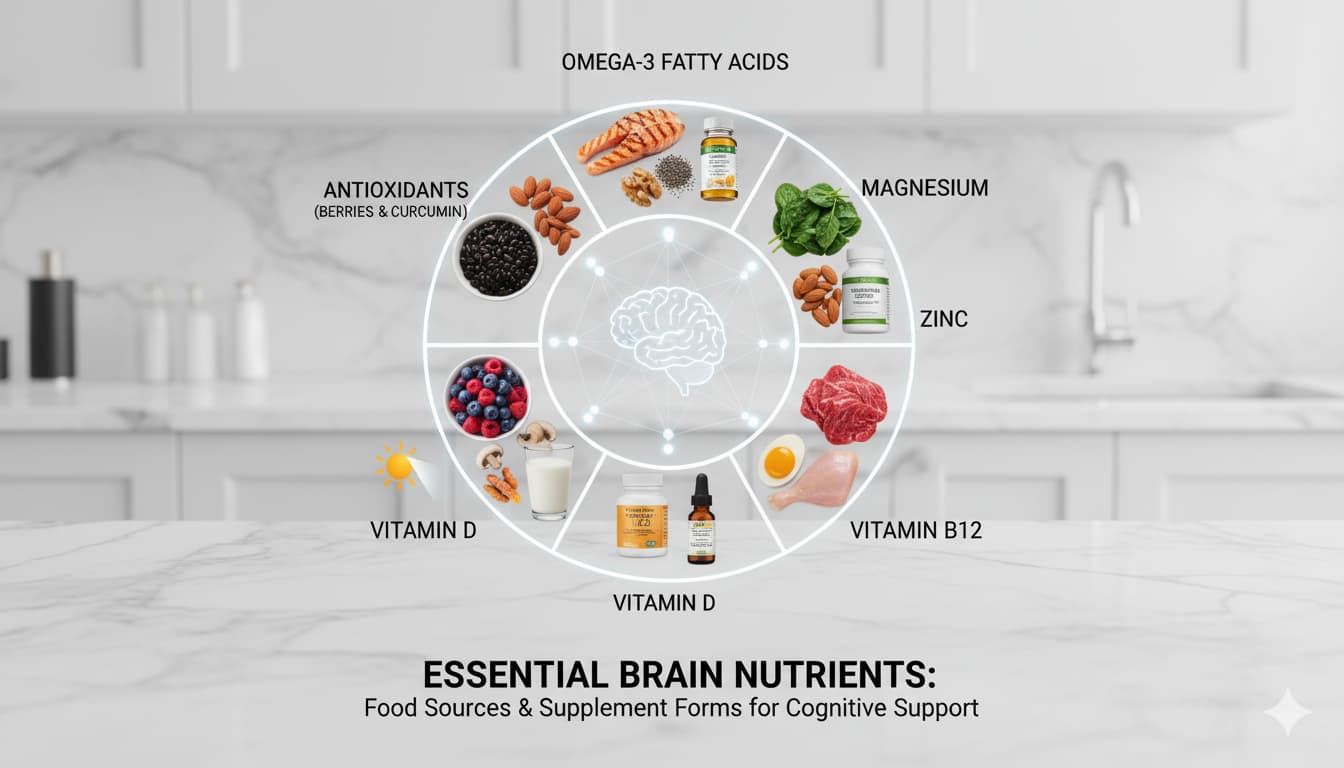
Daniel couldn’t understand what was happening. At 49, he ate what he thought was a healthy diet—plenty of vegetables, lean proteins, whole grains. He exercised regularly, slept reasonably well, and managed stress better than most people. Yet his memory was failing him daily. Names vanished mid-conversation. He’d read articles and retain nothing. Work tasks that once came naturally now required enormous mental effort.
His doctor ran comprehensive blood work. Everything came back “normal”—no deficiencies in the standard tests. His vitamin D was fine. His B12 was adequate. His iron levels were acceptable. According to conventional medicine, there was no nutritional explanation for his cognitive decline.
But Daniel knew something was wrong. The brain fog, the memory lapses, the mental fatigue—these weren’t just “getting older.” They were signs that his brain wasn’t getting what it needed to function properly.
What Daniel’s doctor didn’t test for—and what most conventional practitioners completely overlook—are the nine critical brain nutrients that determine whether your cognitive function thrives or deteriorates. These aren’t the vitamins and minerals everyone knows about. They’re specialized compounds that your brain absolutely requires for optimal performance, yet most people are severely deficient without even knowing it.
This comprehensive guide reveals the nine brain nutrients missing from your diet, explains exactly what they do and why deficiency destroys cognitive function, shows you the science proving their necessity, and provides practical solutions for restoring optimal brain nutrition before more damage accumulates.
If you’re experiencing memory problems, brain fog, poor concentration, or declining mental sharpness despite doing “everything right,” these nutrient deficiencies are almost certainly the hidden cause. Understanding them is the first step. Correcting them is how you reclaim the cognitive function you’ve been losing.
Understanding Brain Nutrition: Why Your Brain Is Starving
Before revealing the nine critical nutrients, you need to understand why brain nutritional deficiencies have become epidemic despite widespread supplement use and supposedly “healthy” modern diets.
Your brain comprises only about 2% of your body weight but consumes roughly 20% of your total energy and requires an enormous concentration of specific nutrients to function properly. Unlike other organs that can somewhat adapt to nutritional deficiencies, your brain is extremely sensitive to even minor shortfalls in key compounds. When the brain lacks essential nutrients, cognitive function deteriorates rapidly and progressively.
Modern agriculture has depleted soil of crucial minerals, meaning foods contain far less nutrition than they did 50 years ago. Industrial food processing removes or destroys many brain-critical nutrients while adding chemicals that actually deplete them further. Standard diets lack the variety of foods that naturally contain rare but essential brain compounds. Environmental toxins increase nutritional needs while simultaneously blocking absorption of critical nutrients.
The cruel irony is that as nutritional needs increase due to stress, toxin exposure, and aging, the typical Western diet provides less and less of what the brain requires. You can eat “healthy” by conventional standards—vegetables, fruits, lean proteins—and still be severely deficient in specific brain nutrients because those nutrients simply aren’t present in modern food in meaningful amounts.
This is why people like Daniel, who do everything their doctors recommend, still experience progressive cognitive decline. The problem isn’t laziness or poor health habits. It’s undiagnosed nutritional deficiency in compounds most doctors never test for and most people have never heard of.
Understanding why your memory is getting worse requires recognizing that nutritional deficiency often underlies the symptoms conventional medicine dismisses as “normal aging” or attributes to stress.
Brain Nutrient #1: Acetylcholine Precursors (The Memory Molecule)
Let’s start with perhaps the most critical brain nutrient for memory function—compounds that your brain uses to produce acetylcholine, the neurotransmitter directly responsible for memory formation, storage, and recall.
What Acetylcholine Does
Acetylcholine serves as your brain’s primary memory neurotransmitter. When you encode new information into memory, acetylcholine facilitates the process at the synaptic level. When you try to recall stored information, acetylcholine enables retrieval. Your ability to learn new things, remember what you’ve learned, focus attention, and process information all depend heavily on adequate acetylcholine.
As you age, acetylcholine production typically declines. By age 60, most people produce 30-40% less acetylcholine than they did at age 30. This isn’t inevitable aging—it’s nutritional deficiency in the precursor compounds needed to synthesize acetylcholine.
The Deficiency Crisis
Your brain cannot manufacture acetylcholine without specific precursor nutrients, primarily choline and phosphatidylcholine. Despite choline being officially recognized as an essential nutrient, over 90% of Americans consume less than the recommended adequate intake. For brain-specific forms like alpha-GPC or CDP-choline, deficiency is nearly universal because these compounds are almost completely absent from modern diets.
Without adequate precursors, acetylcholine production falls. Memory formation becomes impaired. Recall becomes difficult. Learning new information requires more repetition. Mental processing slows. The subjective experience is exactly what people describe as “memory problems” or “brain fog.”
Food Sources and Limitations
Choline exists in eggs (especially yolks), liver, and certain legumes. However, the amounts present are barely sufficient for basic bodily needs, let alone optimal brain function. To get brain-therapeutic amounts of choline precursors from food alone, you’d need to consume unrealistic quantities—multiple eggs plus liver daily.
This is why supplementation with concentrated acetylcholine precursors produces results diet alone cannot match. Compounds like alpha-GPC provide the specific forms of choline your brain can immediately use to synthesize acetylcholine at optimal rates.
When Daniel finally addressed his acetylcholine precursor deficiency through targeted supplementation, his memory improved noticeably within three weeks. The information that used to slip away now stuck. The names that escaped him became accessible. His brain could finally produce the neurotransmitter it needed for proper memory function.
Brain Nutrient #2: Omega-3 Fatty Acids DHA and EPA (Brain Structure)
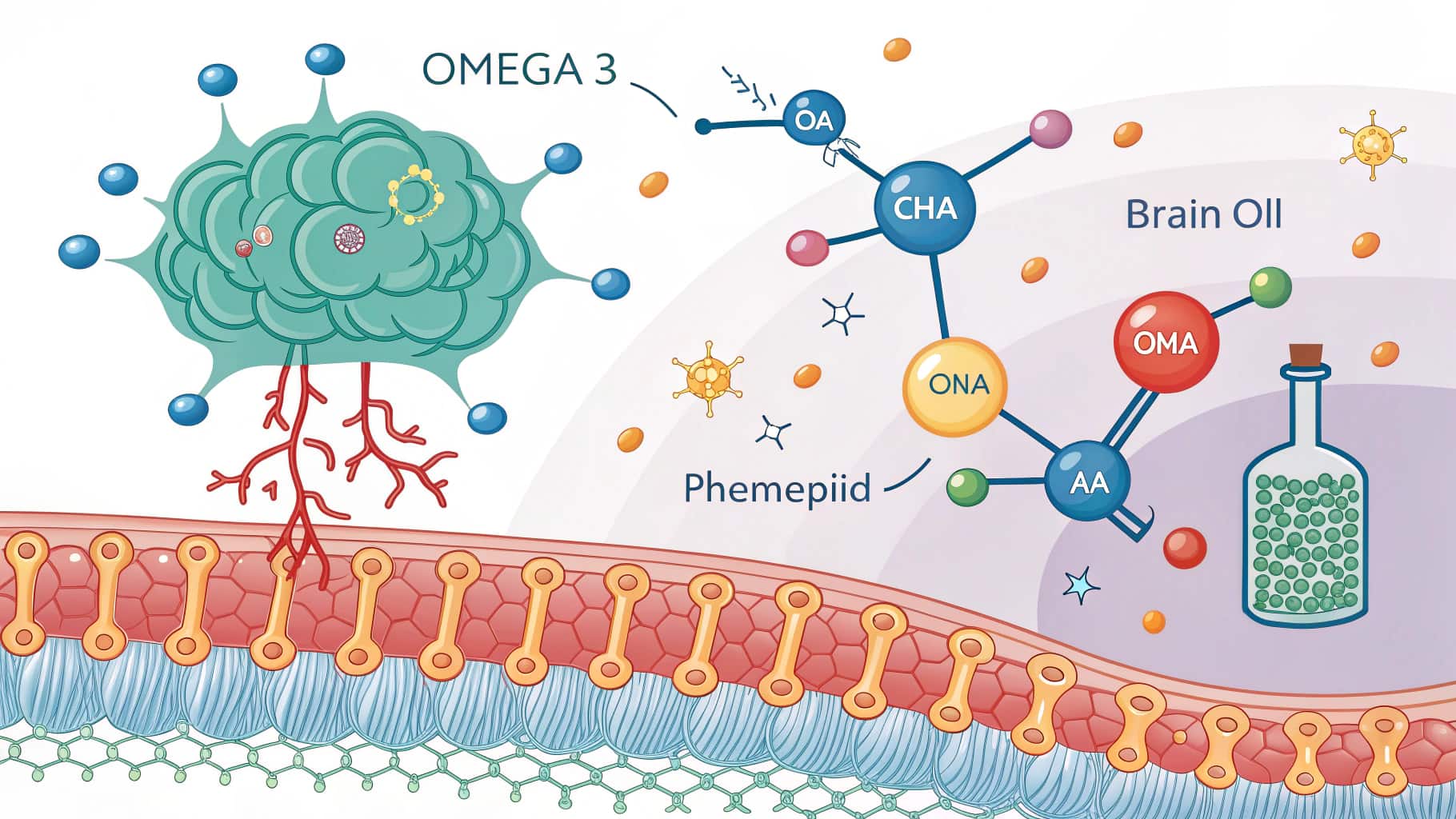
The second critical nutrient category is omega-3 fatty acids, specifically DHA (docosahexaenoic acid) and EPA (eicosapentaenoic acid). These aren’t optional—they’re structural components of your brain itself.
Why Omega-3s Are Essential
DHA comprises roughly 40% of the polyunsaturated fatty acids in your brain and 60% of those in your retina. It’s literally a building block of brain cell membranes. Without adequate DHA, cell membranes become rigid and dysfunctional. Neural signaling becomes impaired. Neuroplasticity—your brain’s ability to form new connections and adapt—deteriorates.
EPA serves primarily anti-inflammatory functions, protecting brain tissue from the chronic inflammation that accelerates cognitive decline and contributes to neurodegenerative disease. The brain’s inflammatory response, when chronic, damages neurons and impairs memory formation.
The Modern Deficiency
Human brains evolved consuming high amounts of omega-3s from fish, seafood, and wild game. Modern diets have almost completely eliminated these sources while dramatically increasing omega-6 fatty acids from vegetable oils, creating a severely imbalanced ratio. The ideal omega-6 to omega-3 ratio is roughly 4:1. The typical Western diet provides ratios of 20:1 or even 30:1.
This massive imbalance creates both omega-3 deficiency and excess omega-6, which competes with omega-3 for incorporation into cell membranes. Your brain literally becomes structurally deficient in the fats it needs to function properly.
Blood tests confirm that most people have omega-3 index scores indicating severe deficiency. Studies show that low DHA levels correlate strongly with accelerated brain aging, increased dementia risk, depression, and cognitive impairment.
Supplementation Requirements
Plant sources of omega-3 (flax, chia, walnuts) provide ALA, which theoretically converts to DHA and EPA. However, the conversion rate in humans is extremely low—less than 5% for EPA and less than 0.5% for DHA. You cannot achieve optimal brain levels through plant sources alone.
Direct supplementation with marine sources (fish oil, krill oil, or algae-based DHA/EPA) provides the forms your brain can use immediately. Research consistently shows that 1000-2000mg combined EPA/DHA daily improves cognitive function, protects against decline, and supports overall brain health.
Quality matters enormously with omega-3 supplements. Many fish oils are oxidized (rancid) or contain contaminants. Third-party tested, molecularly distilled sources ensure purity and potency.
Brain Nutrient #3: Antioxidant Compounds (Neuroprotection)
The third critical nutrient category is specialized antioxidants that protect brain tissue from oxidative stress—the cellular damage that accelerates aging and cognitive decline.
The Oxidative Stress Problem
Your brain uses enormous amounts of oxygen for energy production. This creates oxidative byproducts—free radicals that damage cellular structures including DNA, proteins, and lipid membranes. The brain is particularly vulnerable to oxidative damage because of its high metabolic rate, abundant fat content that oxidizes easily, relatively limited antioxidant defenses compared to other organs, and chronic inflammation from various sources.
Oxidative stress accumulates with age, damaging neurons, impairing mitochondrial function, promoting inflammation, and accelerating cognitive decline. Without adequate antioxidant protection, this damage progresses relentlessly.
Critical Brain Antioxidants
Standard antioxidants like vitamin C and E provide some protection but aren’t sufficient for optimal brain health. Specialized compounds that concentrate in brain tissue and cross the blood-brain barrier effectively include pine bark extract (pycnogenol) rich in proanthocyanidins, resveratrol from grapes and berries, curcumin from turmeric with enhanced bioavailability, alpha-lipoic acid that regenerates other antioxidants, and astaxanthin from marine algae with powerful neuroprotective effects.
These compounds don’t just neutralize free radicals—they activate cellular antioxidant production, reduce neuroinflammation, protect mitochondria, and support neuroplasticity. Research demonstrates that people with higher intake of these specialized antioxidants have better cognitive function, slower cognitive decline, and reduced neurodegenerative disease risk.
The Dietary Gap
While fruits and vegetables contain some antioxidants, the concentrations needed for therapeutic brain protection require either massive dietary quantities or concentrated supplementation. A typical serving of berries might provide 50-100mg of anthocyanins. Research showing cognitive benefits uses doses of 500-1000mg daily.
This gap between dietary intake and therapeutic need explains why people eating “healthy diets” with fruits and vegetables still experience cognitive decline. They’re getting enough antioxidants to prevent acute deficiency but not nearly enough for optimal brain protection against cumulative oxidative stress.
Brain Nutrient #4: B-Vitamins (Homocysteine Control)
The fourth critical nutrient category is specific B-vitamins that control homocysteine—an amino acid that becomes neurotoxic when elevated.
The Homocysteine Danger
Homocysteine is a normal metabolic byproduct, but when it accumulates due to poor methylation, it becomes dangerous to brain health. Elevated homocysteine damages blood vessels including those supplying the brain, promotes oxidative stress and inflammation, impairs neurotransmitter synthesis, accelerates brain atrophy particularly in memory centers, and significantly increases dementia risk.
Research shows that people with homocysteine levels above 14 μmol/L have dramatically accelerated brain shrinkage and cognitive decline. Many people over 50 have homocysteine in the 15-25 range without knowing it because doctors rarely test for it.
The Required B-Vitamins
Three B-vitamins work together to control homocysteine through methylation processes: vitamin B12 (methylcobalamin form preferentially), folate (as methylfolate, not synthetic folic acid), and vitamin B6 (as pyridoxal-5-phosphate). Deficiency in any of these causes homocysteine accumulation and resulting brain damage.
Standard multivitamins often contain inadequate amounts or inferior forms of these critical B-vitamins. Synthetic folic acid doesn’t convert efficiently to active folate in many people with MTHFR gene variations affecting roughly 40% of the population. Cyanocobalamin B12 requires conversion steps that become less efficient with age.
Supplementation Strategy
Effective homocysteine management requires methylated, bioavailable forms of B-vitamins at therapeutic doses. Studies show that B12 (500-1000mcg methylcobalamin), folate (400-800mcg methylfolate), and B6 (25-50mg P5P) can reduce homocysteine by 25-40% and significantly slow brain atrophy in people with elevated levels.
This nutrient deficiency is easily corrected but widely overlooked. Daniel’s homocysteine tested at 18 μmol/L—dangerously elevated. After three months of proper B-vitamin supplementation, it dropped to 8 μmol/L, and his cognitive improvement accelerated notably.
Brain Nutrient #5: Magnesium (Neural Function)
Magnesium represents the fifth critical brain nutrient—and one of the most commonly deficient minerals despite being necessary for over 300 biochemical reactions.
Magnesium’s Brain Roles
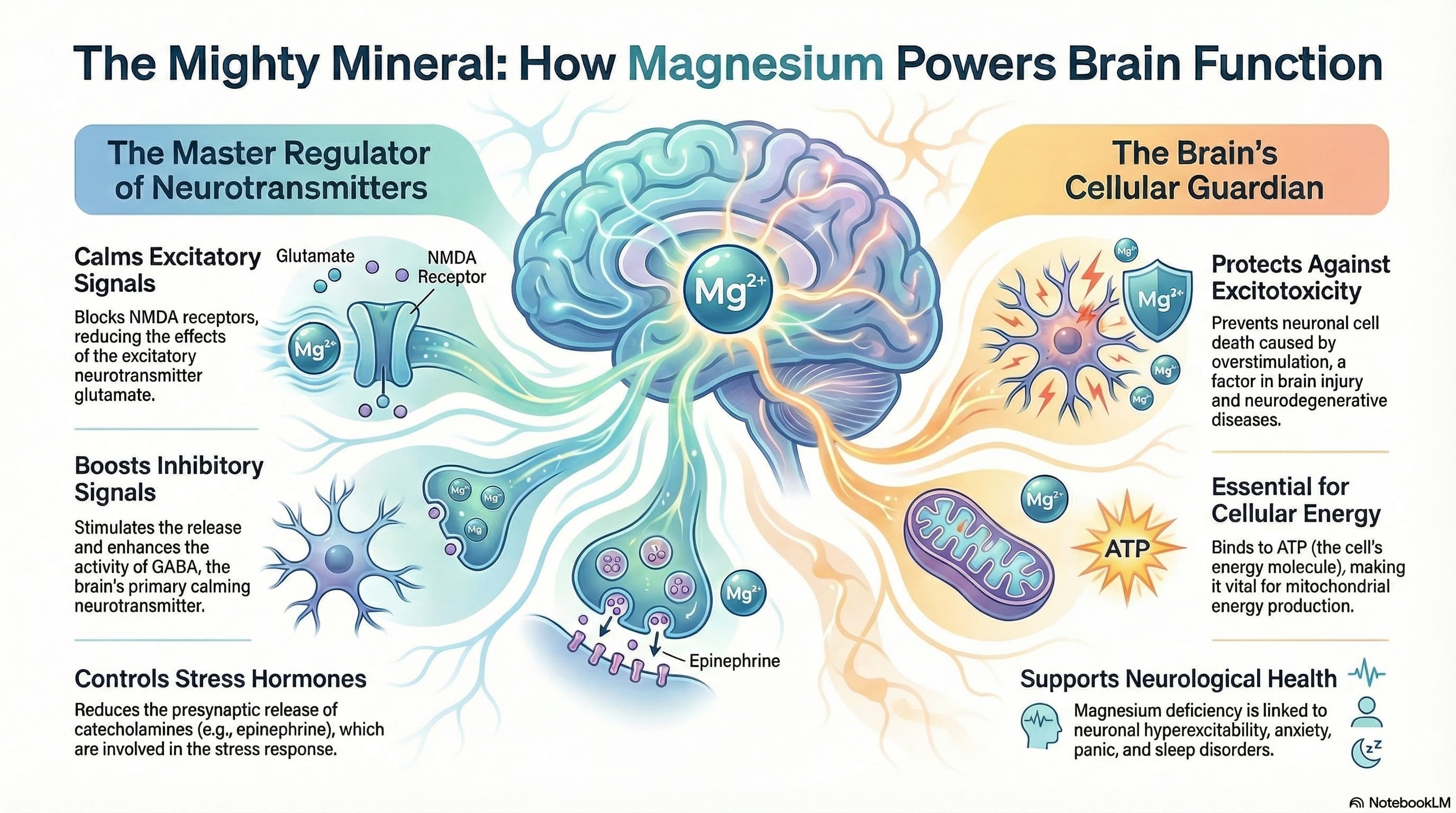
Magnesium is essential for neurotransmitter synthesis and release, regulation of neural electrical activity, synaptic plasticity underlying learning and memory, stress response modulation, sleep quality and circadian rhythm, and protection against excitotoxicity from excess glutamate.
Without adequate magnesium, neural function becomes dysregulated. Memory formation impairs. Sleep quality deteriorates. Stress sensitivity increases. Mental clarity declines.
The Hidden Deficiency
Standard blood tests for magnesium are nearly useless—serum levels don’t reflect cellular magnesium status. You can have “normal” blood magnesium while being severely deficient at the cellular level. Research suggests that 50-75% of people consume less than the RDA for magnesium, and true cellular deficiency may be even more widespread.
Modern diets lack magnesium because soil depletion reduces food content, food processing removes magnesium, stress and medications increase magnesium excretion, and few people consume magnesium-rich foods regularly.
Optimal Forms and Dosing
Not all magnesium supplements are equally beneficial. Magnesium oxide has poor absorption. Effective forms for brain health include magnesium threonate (shown to cross blood-brain barrier effectively), magnesium glycinate (highly absorbable, calming), and magnesium taurate (supports cardiovascular and neural health).
Therapeutic doses typically range from 200-400mg of elemental magnesium daily. Many people notice improved sleep quality within days of addressing magnesium deficiency, followed by gradual cognitive improvements over weeks.
Brain Nutrient #6: Lion’s Mane Mushroom Compounds (Neurogenesis)
The sixth critical nutrient comes from lion’s mane mushroom—one of the few known substances that stimulate neurogenesis, the formation of new brain cells.
The Neurogenesis Factor
For decades, scientists believed adult brains couldn’t generate new neurons. We now know the hippocampus—your memory center—continues producing new neurons throughout life through neurogenesis. This process is crucial for learning new information, forming new memories, adapting to changes, and maintaining cognitive function.
However, neurogenesis declines sharply with age, stress, inflammation, and poor lifestyle factors. By age 60, hippocampal neurogenesis may be 80% lower than at age 30. This decline directly contributes to age-related memory impairment.
Lion’s Mane Mechanisms
Lion’s mane mushroom contains unique compounds called hericenones and erinacines that stimulate production of nerve growth factor (NGF), a protein essential for neuron survival, growth, and function. These compounds cross the blood-brain barrier, increase NGF levels in the brain, promote new neuron formation, support existing neuron health and repair, and enhance synaptic plasticity.
Human clinical trials demonstrate that lion’s mane supplementation improves cognitive function, particularly memory and information processing. Brain imaging studies show increased hippocampal neurogenesis with lion’s mane consumption.
Why Diet Isn’t Sufficient
While you can consume lion’s mane mushrooms as food, the concentrations of active compounds are relatively low. Therapeutic effects require concentrated extracts standardized for hericenones and erinacines. Research showing cognitive benefits typically uses 500-3000mg of concentrated extract daily—far more than you’d obtain from culinary use.
This is another example of a critical brain nutrient that exists in food but requires supplementation to achieve therapeutic brain-protective and cognitive-enhancing effects. Understanding the science behind brain health helps explain why certain concentrated natural compounds provide benefits impossible to achieve through diet alone.
Brain Nutrient #7: Bacopa Monnieri Bacosides (Memory Enhancement)
The seventh critical brain nutrient comes from bacopa monnieri, an herb used in traditional medicine for millennia and now validated by modern neuroscience research.
How Bacopa Enhances Memory
Bacopa contains compounds called bacosides that produce multiple memory-enhancing effects: increasing dendrite branching and density, improving synaptic communication efficiency, enhancing neurotransmitter release and receptor sensitivity, providing antioxidant and anti-inflammatory neuroprotection, and reducing anxiety that interferes with memory formation.
Unlike stimulants that provide temporary cognitive boosts, bacopa produces gradual, sustained improvements in actual memory capacity—the ability to encode, store, and retrieve information.
The Research Evidence
Numerous clinical trials demonstrate bacopa’s memory-enhancing effects. A meta-analysis of randomized controlled trials found that bacopa significantly improves attention, cognitive processing speed, and memory compared to placebo. Effects become more pronounced with continued use over 8-12 weeks as the compound accumulates and produces neuroplastic changes.
Studies specifically show improvements in verbal learning, memory consolidation, delayed recall, and working memory—exactly the functions that decline with age and cause the memory complaints people like Daniel experience.
Supplementation Requirements
Bacopa’s effects are dose and time-dependent. Research typically uses 300-450mg of standardized extract containing 50% bacosides daily. Benefits appear gradually over 4-12 weeks, not immediately. This reflects the time needed for neuroplastic changes to occur.
Quality matters significantly. Many bacopa supplements contain inadequate amounts of active bacosides or use inferior plant material. Standardized extracts from reputable manufacturers ensure you’re getting therapeutic amounts of the compounds that actually produce cognitive benefits.
Brain Nutrient #8: Ginkgo Biloba Flavonoids (Cerebral Circulation)
The eighth critical brain nutrient is ginkgo biloba, one of the most extensively researched cognitive-enhancing herbs, working primarily through improved cerebral blood flow.
The Circulation Factor
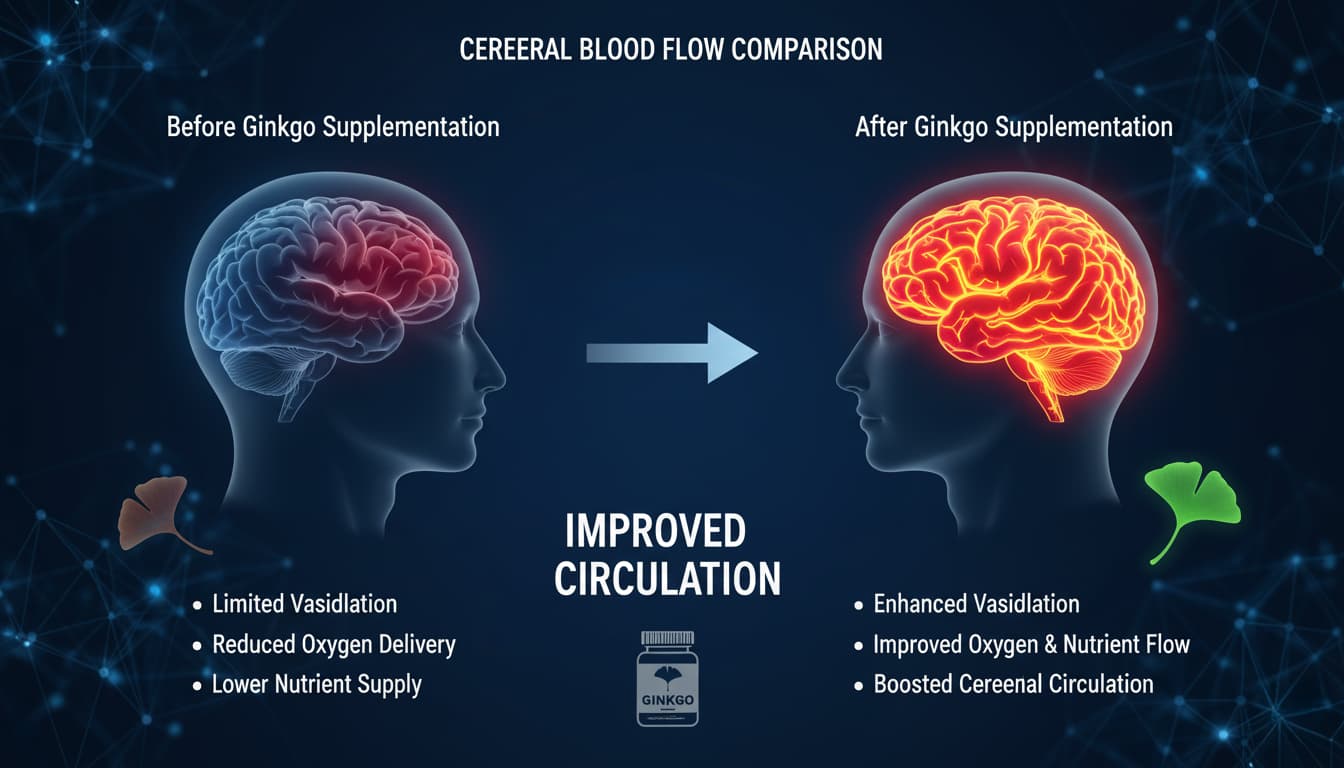
Your brain requires enormous blood flow—roughly 15-20% of cardiac output despite being only 2% of body weight. This blood delivers oxygen and nutrients while removing metabolic waste. When cerebral circulation declines, cognitive function deteriorates rapidly.
Age-related vascular changes reduce brain blood flow. By age 65, cerebral blood flow may decrease by 20% or more. This contributes significantly to age-related cognitive decline, increased stroke risk, accumulation of metabolic waste products, and reduced nutrient delivery to brain tissue.
Ginkgo’s Mechanisms
Ginkgo biloba contains flavonoid glycosides and terpene lactones that improve cerebral blood flow by dilating blood vessels, reduce blood viscosity improving circulation, provide potent antioxidant protection, reduce inflammation in blood vessels and brain tissue, and protect neurons from ischemic damage.
Decades of research demonstrate that ginkgo improves cognitive function particularly in people with age-related decline or vascular cognitive impairment. A meta-analysis of clinical trials found significant improvements in memory, attention, and information processing speed with ginkgo supplementation.
Effective Use
Therapeutic effects require standardized extracts containing 24% flavone glycosides and 6% terpene lactones at doses of 120-240mg daily. Benefits typically appear within 4-6 weeks of consistent use. Ginkgo should be avoided by people on blood thinners due to its effect on platelet function, but for most people, it’s safe and well-tolerated.
The circulation-enhancing effects of ginkgo are particularly valuable when combined with other brain nutrients. Improved blood flow means better delivery of all nutrients to brain tissue, multiplying their effectiveness. This synergy is why comprehensive formulations that include multiple brain nutrients often produce superior results to single-ingredient supplementation.
Brain Nutrient #9: Iodine (Thyroid-Brain Connection)
The ninth critical brain nutrient is iodine—essential for thyroid function, which directly impacts brain health and cognitive function.
The Thyroid-Brain Link
Your thyroid gland requires iodine to produce thyroid hormones that regulate metabolism, energy production, and brain function. Even subclinical hypothyroidism—thyroid function that’s low but not yet clinically diagnosed—impairs cognitive function significantly.
Thyroid hormones influence neurotransmitter synthesis and release, brain energy metabolism, myelination of nerve fibers, neuroplasticity and neurogenesis, and overall cognitive processing speed. When thyroid function declines due to iodine deficiency, all these processes become impaired.
The Widespread Deficiency
Iodine deficiency has returned as a major health concern in developed countries. Iodized salt was introduced to prevent deficiency, but modern advice to reduce sodium intake, combined with use of non-iodized specialty salts, has recreated widespread deficiency. Surveys show that iodine intake has decreased by over 50% in the US over the past 40 years.
Environmental factors worsen the problem. Fluoride, bromide, and chlorine compete with iodine for thyroid uptake, essentially causing functional iodine deficiency even when intake is adequate. These halides are ubiquitous in water, food, and environment.
Supplementation Considerations
Iodine supplementation requires care because both deficiency and excess can cause problems. For most people, 150-300mcg daily from supplements or iodine-rich foods like seaweed supports optimal thyroid function. Some practitioners recommend higher doses for those with severe deficiency, but this should be done under supervision with thyroid monitoring.
Addressing iodine deficiency can dramatically improve energy, mental clarity, and cognitive function within weeks as thyroid function normalizes. Daniel added iodine supplementation and noticed his afternoon energy crashes disappeared, along with improved mental clarity throughout the day.
The Synergy Factor: Why Comprehensive Support Works Best
Now that you understand the nine critical brain nutrients, here’s what’s crucial: they work synergistically, not independently. Taking just one or two addresses part of the problem but leaves other deficiencies sabotaging your results.
Acetylcholine precursors help you form memories, but without omega-3s providing proper membrane structure, neurons can’t communicate effectively. Antioxidants protect neurons from damage, but without B-vitamins controlling homocysteine, vascular damage continues. Magnesium supports neural function, but without adequate cerebral blood flow from ginkgo, nutrients don’t reach brain tissue efficiently. Lion’s mane stimulates neurogenesis, but without bacopa enhancing synaptic efficiency, new neurons don’t integrate optimally. Iodine supports thyroid function affecting overall brain metabolism, amplifying the effects of all other nutrients.
This is why comprehensive formulations that provide all critical brain nutrients typically produce better results than taking individual supplements separately. The nutrients support each other’s functions, creating effects greater than the sum of individual parts. Avoiding foods that kill brain cells matters, but you also need to provide what your brain requires for optimal function.
Daniel tried supplementing individual nutrients for months with modest results. When he switched to a comprehensive brain health formula providing all nine critical nutrients in therapeutic amounts, his improvement accelerated dramatically. Within six weeks, his memory was sharper than it had been in five years, his mental energy was consistent throughout the day, his focus improved noticeably, and the brain fog that had plagued him disappeared entirely.
Why Pineal Guardian Provides Complete Brain Nutrition
This brings us to a practical question: how do you ensure you’re getting all nine critical brain nutrients in therapeutic amounts without taking dozens of separate supplements?
Pineal Guardian was specifically formulated to address this challenge by providing comprehensive brain nutrition targeting the pineal gland—the master regulator of brain chemistry—while simultaneously supplying many of the critical nutrients discussed in this article.
The formula includes chlorella for heavy metal detoxification and omega-3 precursors, spirulina providing multiple B-vitamins and antioxidants, pine bark extract offering powerful antioxidant neuroprotection, ginkgo biloba enhancing cerebral blood flow and oxygen delivery, lion’s mane mushroom stimulating neurogenesis and nerve growth factor, and bacopa monnieri enhancing memory formation and recall.
Additionally, Pineal Guardian addresses the root cause of many brain health problems—pineal gland calcification and dysfunction. This tiny gland regulates the entire neurochemical system. When it’s calcified from fluoride and toxins, even adequate nutrition can’t restore optimal function because the master regulator is compromised.
The formula’s decalcification and detoxification components (tamarind, chlorella) restore pineal function while the neuroprotective and cognitive-enhancing ingredients provide comprehensive brain support. This dual approach—restoring the regulatory system while providing therapeutic nutrients—produces results neither strategy achieves alone.
User reviews of Pineal Guardian consistently report improvements in memory, mental clarity, focus, sleep quality, and overall cognitive function. These results reflect the synergistic effects of comprehensive brain nutrition combined with pineal restoration.
Rather than purchasing multiple individual supplements and hoping you’re getting the right forms at proper doses, a comprehensive formula provides everything your brain needs in one scientifically-designed solution. This is particularly valuable for people like Daniel who tried multiple approaches without success because they were addressing only part of the problem.
Common Deficiency Symptoms: Do You Have Them?
How do you know if you’re deficient in these critical brain nutrients? The symptoms are often dismissed as “normal aging” or “stress,” but they’re actually warning signs of nutritional deficiency.
Memory problems including difficulty remembering names, appointments, or recent conversations, trouble learning new information or skills, and frequently losing train of thought mid-conversation. Mental fog and reduced clarity including difficulty concentrating or focusing, slow thinking or information processing, confusion or disorientation, and feeling mentally “cloudy” or unclear. Cognitive fatigue with mental exhaustion by afternoon, difficulty sustaining mental effort, need for frequent breaks during cognitive tasks, and reduced productivity requiring more time for same work.
Mood and emotional issues such as increased irritability or mood swings, anxiety or worry without clear cause, depression or low motivation, and stress sensitivity with difficulty handling normal pressures. Sleep disturbances like trouble falling or staying asleep, unrefreshing sleep despite adequate hours, vivid dreams or nightmares, and daytime drowsiness. Physical symptoms that reflect brain dysfunction including headaches or migraines, dizziness or balance problems, tinnitus or ringing in ears, and vision problems or visual disturbances.
If you experience multiple symptoms from this list, nutritional deficiency is likely contributing significantly to your cognitive problems. The good news is that unlike degenerative brain diseases, nutritional deficiencies are completely reversible when addressed properly.
The Standard Medical Approach: Why It Misses These Deficiencies
You might wonder: if these nutrients are so critical, why doesn’t my doctor test for them and recommend supplementation? The answer reveals a significant gap in conventional medical practice.
Standard medical training provides minimal nutrition education—typically just a few hours across four years of medical school. Doctors learn to identify severe deficiency diseases (scurvy, beriberi, pellagra) but not the subclinical deficiencies that impair function without causing obvious disease. The medical model focuses on diagnosing and treating disease, not optimizing function or preventing decline through nutrition.
Standard lab tests don’t measure most critical brain nutrients. Blood tests for B12, vitamin D, and iron are common, but tests for omega-3 index, homocysteine, magnesium status, or specialized compounds like bacosides simply aren’t part of routine practice. Many doctors don’t know these nutrients exist or understand their importance for brain health.
Insurance reimbursement structures incentivize drug prescriptions over nutritional interventions. Doctors get paid for office visits and procedures, not for spending time on nutritional counseling or supplement recommendations. When cognitive symptoms appear, the default is pharmaceutical intervention, not nutritional assessment.
This systemic failure means millions of people suffer from correctable nutritional deficiencies while their doctors prescribe medications that mask symptoms without addressing root causes. The common memory mistakes people make include trusting that normal lab results mean nutrition is adequate, when in reality, standard tests miss most brain-critical nutrients entirely.
Taking responsibility for your own brain nutrition becomes essential because the medical system isn’t designed to identify or correct these deficiencies proactively.
Your Action Plan: Restoring Optimal Brain Nutrition
Understanding these nine critical brain nutrients is valuable only if you act on the information. Here’s your practical plan for restoring optimal brain nutrition and reclaiming the cognitive function you’ve been losing.
Start with foundational nutrition by eliminating processed foods that deplete nutrients, eating omega-3 rich fish 2-3 times weekly or supplementing, consuming diverse colorful vegetables for varied antioxidants, choosing organic when possible to reduce toxin exposure, and drinking filtered water to avoid fluoride and contaminants.
Address specific deficiencies through targeted supplementation. If taking individual supplements, ensure you’re getting therapeutic amounts of bioavailable forms: omega-3s as EPA/DHA from quality fish oil, 1000-2000mg daily; methylated B-vitamins as methylcobalamin B12, methylfolate, and P5P B6; magnesium as threonate, glycinate, or taurate, 200-400mg daily; specialized compounds like lion’s mane, bacopa, and ginkgo at research-backed doses.
Consider comprehensive formulation for synergistic support. Given the complexity of sourcing and combining multiple brain nutrients at proper doses in bioavailable forms, many people find comprehensive formulas more practical and effective than multiple individual supplements.
This is where Pineal Guardian offers significant value. Rather than purchasing and managing 8-10 separate supplements, hoping you’ve chosen the right forms at therapeutic doses, and trusting they’ll work together synergistically, you get a scientifically-formulated comprehensive solution providing multiple critical brain nutrients while simultaneously addressing pineal gland health—the master regulator of brain chemistry.
The formula provides therapeutic amounts of lion’s mane for neurogenesis, bacopa for memory enhancement, ginkgo for cerebral circulation, pine bark extract for antioxidant protection, spirulina and chlorella for detoxification and nutrient support, plus pineal-specific compounds for decalcification and restored function.
Users consistently report that comprehensive approaches addressing multiple nutritional deficiencies simultaneously produce better results than piecemeal supplementation. Daniel’s experience exemplifies this pattern—modest improvement from individual supplements, but dramatic restoration when he switched to comprehensive support addressing all deficiencies together.
You can explore the complete science behind Pineal Guardian’s comprehensive brain nutrition approach at PureFocusLife.fun, including detailed information on each ingredient, research backing, user testimonials, and the unique focus on pineal gland restoration that multiplies the effectiveness of nutritional support.
If you’re ready to stop accepting cognitive decline as inevitable and start providing your brain with the complete nutrition it requires for optimal function, order Pineal Guardian directly from the official source with the satisfaction guarantee that removes all risk from your trial.
The Timeline: What to Expect
When you begin addressing brain nutritional deficiencies comprehensively, what should you expect? Understanding the typical timeline helps maintain realistic expectations and recognize genuine progress.
Week 1-2 brings initial improvements as acute deficiencies begin correcting. Better sleep quality and easier falling asleep is often the first change. Reduced brain fog, particularly in the morning, becomes noticeable. Slight energy improvements with less afternoon crashing may occur. These early changes reflect the most immediate nutritional effects, particularly magnesium and B-vitamin improvements.
Week 3-6 shows accelerating benefits as nutrients accumulate and begin producing deeper effects. Memory improvements become noticeable with better name recall and conversation retention. Focus and concentration strengthen with easier sustained attention. Mental clarity improves throughout the day with less cognitive fatigue by afternoon. Mood stabilizes with reduced irritability and better stress resilience. These improvements reflect omega-3 incorporation into membranes, antioxidant protection accumulating, and enhanced neurotransmitter function.
Week 7–12 demonstrates substantial restoration as neuroplastic changes occur. Significant memory enhancement with clear improvements in learning and recall appears. Cognitive processing speed increases with faster thinking and problem-solving. Mental endurance improves dramatically, allowing sustained high-level cognitive performance. Overall brain function reaches levels not experienced in years.
These profound improvements reflect neurogenesis from lion’s mane, synaptic enhancement from bacopa, cumulative antioxidant protection, and restored pineal gland function regulating the entire neurochemical system.
Consistency Is the Missing Key
The key is consistency.
Nutritional restoration does not happen through sporadic supplementation. Your brain requires a steady, reliable supply of critical nutrients to rebuild functions that may have deteriorated over years—or even decades—of deficiency.
Random or incomplete approaches fail because the brain operates as an interconnected system. Supporting one pathway while ignoring others leads to limited or temporary improvements at best.
Final Thoughts: The Choice Between Decline and Restoration
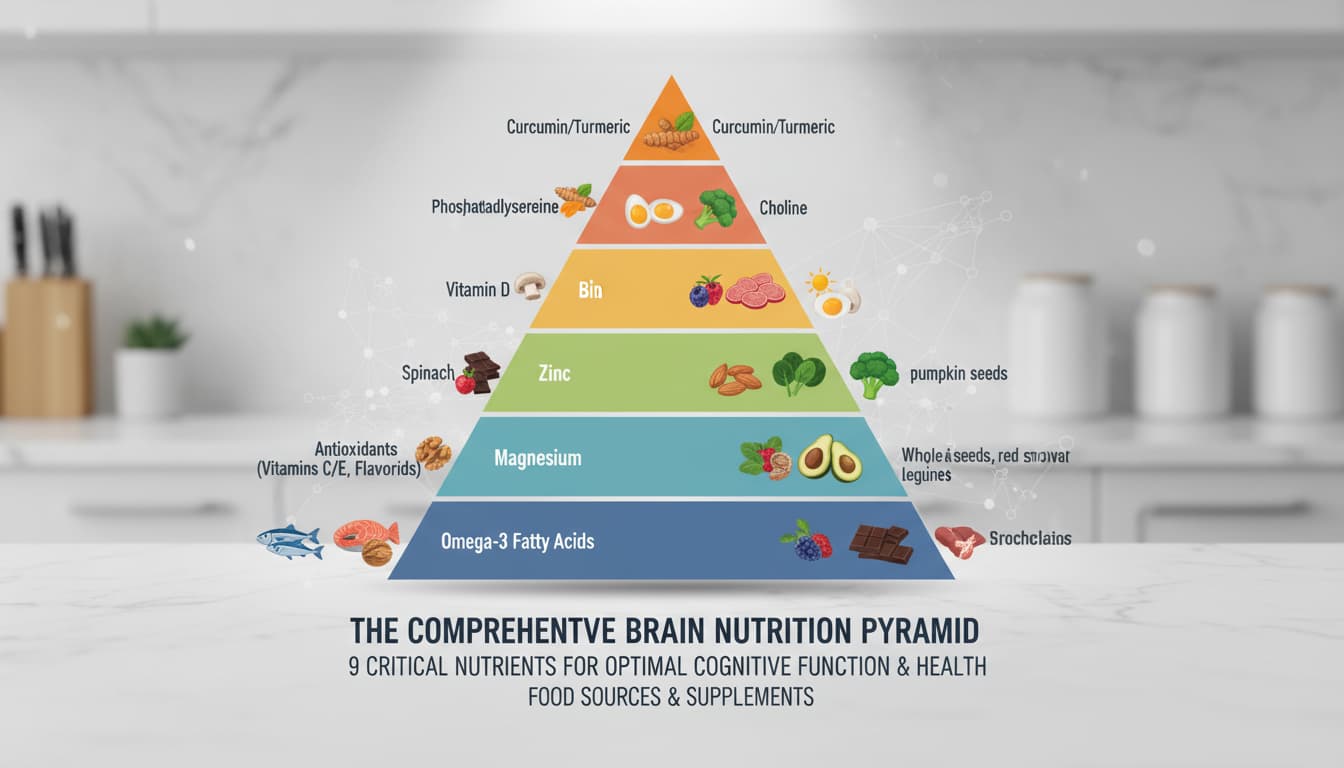
You now understand the nine critical brain nutrients most people lack:
- Acetylcholine precursors for memory formation
- Omega-3 fatty acids for brain structure and signaling
- Specialized antioxidants for neuroprotection
- Methylated B-vitamins for homocysteine regulation
- Magnesium for neural transmission
- Lion’s mane compounds for neurogenesis
- Bacopa bacosides for learning and memory enhancement
- Ginkgo flavonoids for cerebral circulation
- Iodine for thyroid–brain communication
More importantly, you understand why conventional approaches fail:
- Why standard medical testing overlooks these deficiencies
- Why diet alone rarely delivers therapeutic amounts
- Why isolated, single-nutrient supplements cannot solve complex, multi-factorial decline
Get Your FREE Brain Health Guide
Download "7 Secrets to Brain Health" before you buy • Learn the science-backed strategies • No credit card required
Ready to Restore Your Memory?
Join thousands of people over 50 who have transformed their cognitive health with Pineal Guardian. Experience the mental clarity you deserve.
Share this article: