Natural vs Pills for Pineal Gland Health: Is Pineal Guardian the Better Choice?
Natural vs Pills for Pineal Gland Health: Is Pineal Guardian the Better Choice?
12/31/2025 • By Dr. Sarah Mitchell, Neuroscience Researcher

Rebecca stood in the supplement aisle, completely overwhelmed. On one side, bottles of synthetic brain pills promising instant cognitive enhancement. On the other, natural herb extracts claiming gentle restoration. In her hand, she held her doctor’s prescription for a pharmaceutical that might help her memory—but came with a frightening list of side effects.
At 56, Rebecca had spent the last three months desperately searching for a solution to her declining memory and mental fog. She’d tried everything: meditation apps, brain training games, diet changes, exercise routines. Some helped slightly, but nothing stopped the progressive decline. Her research eventually led her to discover something her doctors never mentioned—the pineal gland, a tiny structure deep in her brain that controls everything from sleep to memory to overall brain chemistry.
The question consuming her now: should she go natural, take pharmaceutical pills, or find some combination that actually works? This wasn’t just about preference—it was about her cognitive future, her independence, her quality of life.
If you’re standing where Rebecca stood, confused about the best approach to restore pineal gland health and reclaim your memory, this comprehensive analysis will give you the clarity you desperately need. We’ll examine natural methods, pharmaceutical options, and why a third approach—science-backed natural formulations like Pineal Guardian—might offer the effectiveness you need without the risks you fear.
Understanding Pineal Gland Health: Why It Matters More Than You Think
Before comparing natural versus pharmaceutical approaches, you need to understand exactly what the pineal gland does and why its health determines your cognitive function.
This pea-sized gland, located deep in the center of your brain, serves as the master regulator of your entire neurochemical system. It produces melatonin, yes, but its role extends far beyond sleep. The pineal gland influences neurotransmitter balance, including acetylcholine for memory, dopamine for focus and motivation, and serotonin for mood stability. It regulates your circadian rhythm, which controls when memory consolidation occurs during sleep. It affects neuroplasticity, determining how easily your brain forms new neural connections and learns new information.
When your pineal gland functions optimally, your brain chemistry remains balanced, your sleep quality supports memory consolidation, your cognitive performance stays sharp, and your mental clarity persists even under stress. But here’s the devastating reality most doctors won’t tell you: by age 60, brain imaging studies reveal that 60-80% of people have severe pineal gland calcification. This isn’t normal aging—it’s toxic accumulation from fluoride in tap water and toothpaste, calcium deposits from poor nutrition and vitamin K2 deficiency, heavy metals from environmental exposure, and other toxins that gradually petrify this crucial gland.
As calcification progresses, pineal function deteriorates, melatonin production drops sharply, sleep quality becomes progressively worse, neurotransmitter balance shifts toward dysfunction, and cognitive decline accelerates. The memory problems, brain fog, and mental fatigue you’re experiencing aren’t random or inevitable. They’re the predictable result of pineal gland dysfunction that’s been developing for years or decades. Understanding the real cause of your forgetfulness is the first step toward actually fixing it rather than just managing symptoms.

The Natural Approach: Promises, Reality, and Limitations
Let’s start by examining purely natural methods for restoring pineal gland health. Many people prefer this approach, believing it’s inherently safer and more aligned with how the body naturally functions.
Common Natural Methods for Pineal Health
The natural wellness community recommends several approaches for decalcifying and supporting the pineal gland. Dietary changes typically top the list: eliminating fluoride by using filtered water and fluoride-free toothpaste, consuming foods rich in iodine like seaweed and fish to displace fluoride from tissues, eating raw cacao for its magnesium and antioxidant content, incorporating chlorella and spirulina for heavy metal detoxification, and consuming apple cider vinegar claimed to help break down calcium deposits.
Lifestyle modifications form another pillar of natural approaches: practicing sun gazing during safe hours for pineal stimulation, spending time in complete darkness to boost natural melatonin production, meditation and yoga for stress reduction and energetic pineal activation, grounding or earthing practices to reduce electromagnetic interference, and avoiding artificial light at night to support natural circadian rhythms.
Herbal supplements represent the bridge between purely natural lifestyle changes and more concentrated interventions: raw turmeric for anti-inflammatory effects, gotu kola for cognitive enhancement, chaga mushroom for antioxidant protection, and neem oil applied topically or consumed in small amounts.
The Truth About Natural Methods: What Actually Works
Here’s where we need honesty that wellness influencers often avoid. Some natural approaches genuinely help. Eliminating fluoride absolutely matters—you can’t decalcify your pineal gland while continuously adding more fluoride. This is foundational and non-negotiable. Getting quality sleep in complete darkness definitely supports pineal function by allowing natural melatonin production. Stress reduction through meditation or yoga provides real benefits since chronic stress damages the hippocampus and impairs overall brain function. Dietary improvements that provide necessary minerals like magnesium, proper calcium metabolism through vitamin K2, and antioxidant protection do support brain health.
However, and this is crucial, natural lifestyle changes alone rarely reverse significant pineal calcification that’s accumulated over decades. The concentrations of beneficial compounds in whole foods are too low to drive meaningful decalcification. The process is extremely slow—we’re talking years, not months, for noticeable improvement. Many people lack the consistency to maintain strict natural protocols long-term, and without sustained effort, minimal progress occurs. Individual herbs, while beneficial, don’t provide the comprehensive support needed to address calcification, detoxification, and restoration simultaneously.
Rebecca tried the natural route for six months. She eliminated fluoride, meditated daily, took turmeric supplements, and dramatically improved her diet. Her sleep got slightly better, but her memory problems persisted. The natural approach wasn’t wrong—it was incomplete. It addressed prevention but couldn’t undo decades of accumulated damage at a pace that matched her urgent need for cognitive improvement. The memory mistakes she was making compounded the problem, but even after correcting those, natural methods alone weren’t enough.
The Natural Approach Verdict
Natural lifestyle changes should be the foundation of any pineal health strategy. They prevent further damage and create optimal conditions for healing. But as the sole intervention for someone with significant calcification and noticeable cognitive decline, purely natural methods often prove too slow and insufficiently concentrated to produce the restoration people desperately need within a reasonable timeframe.

The Pharmaceutical Approach: Power, Risks, and Hidden Costs
Now let’s examine the opposite end of the spectrum—pharmaceutical interventions for cognitive decline and brain health.
What Conventional Medicine Offers
When people consult doctors about memory problems, the pharmaceutical options typically include cognitive enhancers like donepezil (Aricept) or memantine, originally developed for Alzheimer’s but sometimes prescribed for general cognitive decline. Sleep medications like zolpidem (Ambien) or eszopiclone (Lunesta) to address the insomnia that often accompanies pineal dysfunction. Antidepressants or anti-anxiety medications to manage the mood disturbances that arise from neurotransmitter imbalance. Stimulants like modafinil for focus and alertness problems.
Some doctors prescribe synthetic melatonin supplements to compensate for reduced pineal melatonin production. More progressive practitioners might recommend EDTA chelation therapy for heavy metal removal, though this remains controversial and carries risks.
The Pharmaceutical Reality: What They Don’t Tell You
Here’s what pharmaceutical companies and many doctors won’t emphasize enough. Most cognitive medications don’t address root causes at all—they manipulate neurotransmitter activity temporarily while the underlying pineal dysfunction continues worsening. These drugs often work through receptor agonism or antagonism, forcing neurochemical changes that can disrupt natural brain chemistry over time. The pineal gland’s calcification and dysfunction remain completely unaddressed while you’re dependent on medications to artificially compensate for the gland’s failed function.
The side effect profiles are often alarming. Cognitive enhancers can cause nausea, diarrhea, insomnia, muscle cramps, and paradoxically, sometimes worsen cognitive function. Sleep medications frequently produce next-day grogginess, impaired memory formation during sleep (ironically making memory worse), risk of dependency, and dangerous parasomnias like sleep-driving. Antidepressants may cause sexual dysfunction, emotional blunting, weight gain, and difficult withdrawal symptoms. Stimulants often lead to anxiety, insomnia, cardiovascular stress, and potential for abuse or dependency.
Perhaps most concerning is the long-term trajectory. Pharmaceuticals rarely cure the problem—they manage symptoms, requiring indefinite use. Tolerance often develops, necessitating dose increases that bring greater side effects. The underlying pineal dysfunction continues progressing while medications mask deterioration. Eventually, medications lose effectiveness as the biological foundation crumbles further. Many people end up on multiple medications, each treating side effects of others, creating a pharmaceutical cascade.
Rebecca’s doctor prescribed a cognitive enhancer and a sleep medication. The first week, she felt sharper. By week three, the side effects became intolerable—constant nausea, terrible nightmares from the sleep medication, and a strange emotional flatness that made her feel disconnected from her own life. When she stopped the medications, her memory problems returned immediately, now compounded by withdrawal symptoms. The drugs had done nothing to fix the actual problem—her calcified, dysfunctional pineal gland.
The Pharmaceutical Verdict
Pharmaceutical interventions can provide temporary relief and may be necessary for severe cases or diagnosed conditions. However, for people seeking to actually restore pineal gland health and reverse cognitive decline at its root, pharmaceuticals generally fail to deliver. They suppress symptoms while the biological foundation continues deteriorating, come with substantial side effect burdens, create dependencies rather than independence, and leave you trapped in a cycle of medication management rather than true healing.
The Third Way: Science-Backed Natural Formulations
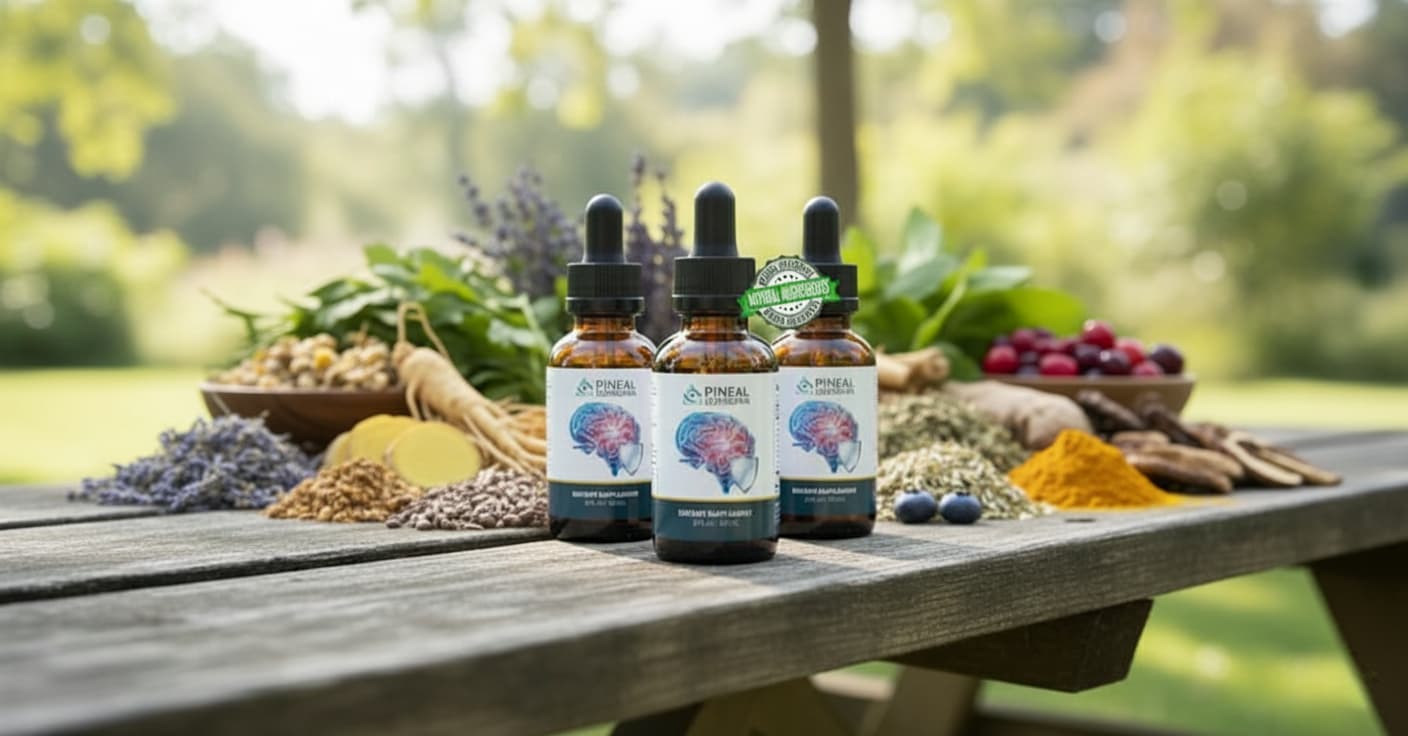
Between purely natural lifestyle changes and harsh pharmaceuticals exists a third approach that’s gaining recognition: concentrated, scientifically-formulated natural supplements that provide therapeutic potency without pharmaceutical risks.
This is where products like Pineal Guardian enter the conversation. Rather than choosing between ineffectively slow natural methods or side-effect-laden pharmaceuticals, this approach combines the safety and biological compatibility of natural compounds with the concentration and precision needed to drive real restoration.
How Concentrated Natural Formulations Differ
The key distinction is concentration, combination, and scientific backing. Instead of consuming whole herbs at food-level doses, these formulations provide standardized extracts at therapeutic concentrations shown in research to produce specific biological effects. Rather than taking single ingredients hoping they’ll help, they combine multiple compounds that work synergistically, each addressing different aspects of pineal dysfunction simultaneously.
The formulations are based on scientific research demonstrating mechanisms of action, not just traditional use or anecdotal reports. Quality control through third-party testing ensures purity, potency, and absence of contaminants. The approach remains biologically compatible because you’re using compounds the body recognizes and can process naturally, not synthetic molecules foreign to human physiology.
This middle path offers several advantages. You get meaningful biological effects without pharmaceutical side effect profiles. The compounds support natural processes rather than forcing unnatural neurochemical changes. Multiple mechanisms get addressed simultaneously—decalcification, detoxification, neuroprotection, and cognitive enhancement. The approach restores function rather than suppressing symptoms, working toward independence from supplementation rather than creating permanent dependency.
Why Pineal Guardian Represents This Approach Effectively
Pineal Guardian exemplifies the concentrated natural formulation strategy through its carefully selected ingredient profile. Let’s examine each component and understand why this combination addresses pineal health comprehensively in ways neither purely natural methods nor pharmaceuticals can match.
Tamarind extract provides specific decalcification action. Research published in the European Journal of Nutrition demonstrates that tamarind significantly increases fluoride excretion from the body. This isn’t just theory—it’s measurable detoxification of the exact compound that causes pineal calcification. The extract concentration in Pineal Guardian provides therapeutic amounts impossible to achieve through dietary consumption alone.
Chlorella supplies heavy metal chelation. This single-celled algae binds to mercury, lead, cadmium, and other neurotoxic metals, facilitating their removal from brain tissue. Multiple studies confirm chlorella’s chelation properties and safety profile. Unlike harsh pharmaceutical chelators that require medical supervision and carry significant risks, chlorella provides gentle, natural detoxification your body can process safely.
Pine bark extract delivers powerful neuroprotection through proanthocyanidins, antioxidant compounds that protect neurons from oxidative stress and inflammation. Clinical trials show measurable improvements in cognitive function and memory from pine bark supplementation. This protection is crucial during the decalcification process when you want to support brain health while removing accumulated toxins.
Ginkgo biloba enhances cerebral blood flow, a benefit extensively validated through decades of research. Improved circulation means better oxygen and nutrient delivery to brain tissue, including the pineal gland. Meta-analyses of clinical trials confirm ginkgo’s cognitive benefits, particularly for memory and information processing speed. This isn’t folk remedy speculation—it’s well-documented science.
Spirulina provides neurotransmitter precursors and additional antioxidant protection. This blue-green algae supplies amino acids needed for acetylcholine, dopamine, and serotonin synthesis, supporting the neurotransmitter balance the pineal gland regulates. Studies demonstrate spirulina’s neuroprotective effects and cognitive enhancement properties.
Lion’s mane mushroom stimulates nerve growth factor production, promoting neurogenesis—the formation of new neurons—and neural repair. Human clinical trials demonstrate measurable memory and cognitive improvements from lion’s mane supplementation. This ingredient doesn’t just protect existing brain function; it actively supports the growth of new neural capacity.
Bacopa monnieri enhances memory formation, retention, and recall through multiple mechanisms including increased dendrite branching and enhanced synaptic communication. This herb is among the most researched memory-enhancing compounds, with numerous clinical trials confirming its efficacy. The bacopa extract in Pineal Guardian provides the standardized concentration shown effective in research, not random amounts of uncertain potency.
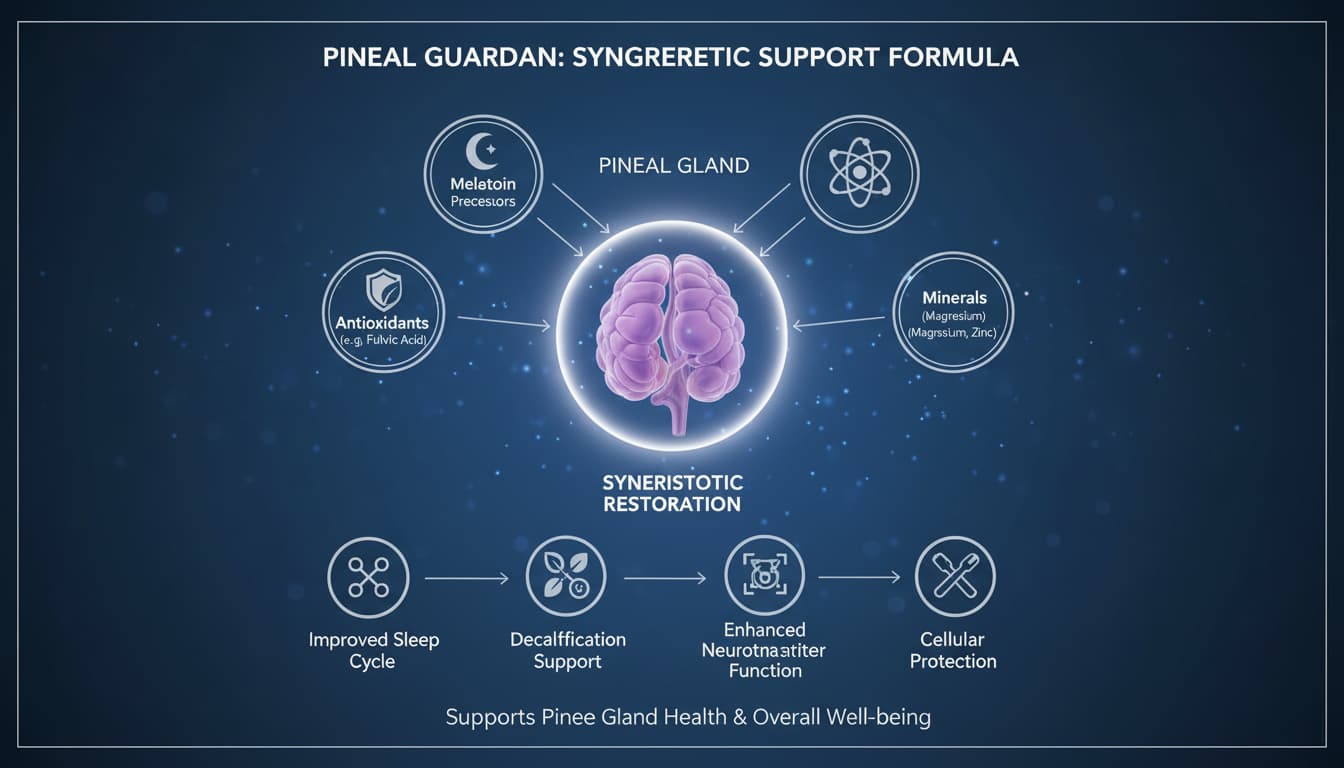
The synergy is what makes this formulation superior to taking individual ingredients. The decalcification agents break down accumulated deposits. The detoxification compounds remove the toxins that caused calcification. The neuroprotective ingredients shield the brain during restoration. The neurogenic compounds promote repair and new growth. The memory-specific herbs enhance the cognitive functions that depend on healthy pineal activity.
This comprehensive approach addresses pineal health from every angle simultaneously, producing results impossible to achieve through individual interventions. Real user experiences with Pineal Guardian consistently demonstrate this multi-mechanism effectiveness.
Comparing Effectiveness: What Actually Works
Now let’s directly compare these three approaches based on real-world outcomes, not marketing promises or philosophical preferences.
Speed of Results
Purely natural lifestyle methods typically require 6-12 months before noticeable cognitive improvements, assuming perfect consistency. Many people give up before reaching this point because the changes feel too slow. Pharmaceutical approaches often produce immediate effects within days or weeks, but these are symptomatic improvements masking continued deterioration, not actual restoration. Concentrated natural formulations like Pineal Guardian show initial improvements around 3-4 weeks, with substantial restoration by 8-12 weeks as biological processes progress.
For someone experiencing significant cognitive decline that’s impacting work performance, relationships, or independence, speed matters. Waiting a year for natural methods to potentially help isn’t always realistic. Relying on pharmaceuticals that mask problems without fixing them isn’t a solution. The middle ground of concentrated natural formulations provides restoration on a timeline people can actually work with.
Sustainability and Long-term Trajectory
Natural lifestyle changes, when maintained, provide permanent benefits and prevent future problems. However, they rarely reverse significant existing damage completely. Pharmaceuticals typically require indefinite use with increasing doses as tolerance develops and underlying dysfunction worsens. When discontinued, symptoms return immediately, often worse than before. Concentrated natural formulations work toward biological restoration, meaning that after 3-6 months of use, many people can reduce dosage or cycle off entirely as function normalizes, then return to basic lifestyle maintenance.
The goal should be restoration and independence, not permanent dependency on any intervention. Pineal Guardian’s approach aligns with this goal by actually addressing root causes rather than perpetually managing symptoms.
Safety Profile and Side Effects
Natural lifestyle methods have essentially no side effects beyond the difficulty of maintaining them consistently. Pharmaceuticals come with extensive, often severe side effects that sometimes require additional medications to manage. Concentrated natural formulations like Pineal Guardian have minimal side effects—occasional mild digestive adjustment during the first week in about 5-8% of users, typically resolved by taking with food. No serious adverse effects, no dependency concerns, no withdrawal issues, and no dangerous interactions with most medications though consultation with your doctor is always wise.
When Rebecca finally tried Pineal Guardian after her pharmaceutical disaster, the contrast was striking. No nausea, no nightmares, no emotional blunting, no dependency anxiety. Just gradual, steady improvement in her sleep quality first, then her mental clarity, and finally her memory. By week eight, she was functioning better than she had in five years, without any side effects at all.
Cost-Benefit Analysis
Natural lifestyle changes have low monetary cost but high time and effort cost, making sustainability challenging for many people. Pharmaceuticals have high monetary cost when factored over months and years of continuous use, plus hidden costs in side effect management and the price of dependency without true healing. Concentrated natural formulations have moderate upfront cost for a 3-6 month restoration protocol, but with the goal of actual restoration rather than indefinite dependence, the long-term cost often proves lower than either alternative.
When you calculate the true cost of cognitive decline—reduced work performance, medical expenses, diminished quality of life, lost independence—even the most expensive intervention becomes inexpensive if it actually works. Understanding the science behind brain health helps clarify why targeted biological support provides better value than either extreme approach.

Real Results: What Users Actually Experience
Theory and analysis matter, but nothing compares to real-world results. Let’s examine what people actually experience with each approach.
Natural Methods Only: The Long Struggle
Thomas, 58, committed to a completely natural protocol. He eliminated all fluoride, meditated twice daily, consumed organic whole foods, took individual herbs like turmeric and gotu kola, practiced yoga, and maintained strict sleep hygiene. After eight months of disciplined effort, his sleep improved moderately, his stress levels decreased noticeably, but his memory problems persisted at roughly 70% of their original severity. The natural approach helped prevent further decline and created a better foundation, but couldn’t reverse the accumulated damage at a pace that addressed his urgent needs.
Pharmaceutical Route: The Side Effect Trap
Patricia, 62, followed her doctor’s recommendations precisely. She took prescribed cognitive enhancers, sleep medication, and eventually an antidepressant when the stress of her memory problems affected her mood. For three months, she felt somewhat sharper during the day. Then the side effects accumulated—constant gastrointestinal distress, dangerous drowsiness the morning after sleep medications, sexual dysfunction from the antidepressant, and a general feeling of being chemically dulled. When she tried to stop the medications, withdrawal symptoms were terrible and her memory crashed worse than before. She felt trapped in pharmaceutical dependency with no path to actual healing.
Concentrated Natural Formulation: The Restoration Path
Rebecca’s experience with Pineal Guardian followed the pattern reported by most users. Week one brought slightly better sleep and less morning grogginess. Week three showed noticeable improvements in mental fog—she could think more clearly, especially in the afternoons when she’d previously been mentally exhausted. Week six produced the memory breakthrough she’d been desperate for—names came readily again, she remembered appointments without constant reminders, conversations stuck in her mind rather than evaporating immediately.
By week ten, Rebecca’s cognitive function had returned to levels she hadn’t experienced in over five years. The transformation wasn’t just in her head—her coworkers commented on her improved sharpness, her husband noticed she was more present in conversations, and objective memory tests showed measurable improvement. Most importantly, she achieved this without any significant side effects, without pharmaceutical dependency, and with the sense that her brain was actually healing rather than being artificially propped up.
These patterns repeat consistently across user experiences. Natural lifestyle changes provide essential foundation but rarely sufficient restoration alone. Pharmaceuticals offer quick symptom relief followed by side effect accumulation and dependency. Concentrated natural formulations provide meaningful restoration on a reasonable timeline without pharmaceutical risks.
Why the Combination Approach Works Best
Here’s what the most successful people discover: combining foundation lifestyle improvements with concentrated natural supplementation produces results superior to either approach alone. When Rebecca added Pineal Guardian to her already-improved sleep habits, reduced stress levels, and fluoride-free lifestyle, the synergy accelerated her restoration dramatically. The supplement provided the biological support her brain needed to actually reverse calcification and restore function, while her lifestyle changes created optimal conditions for that restoration to occur and be maintained.
This isn’t either-or. It’s both-and. The most effective protocol includes eliminating further damage through fluoride avoidance, supporting natural processes through quality sleep and stress management, avoiding foods that kill brain cells and accumulate in the pineal gland, and providing concentrated biological support through formulations like Pineal Guardian that drive measurable restoration.
Making Your Decision: Which Approach is Right for You?
With all this information, how do you decide which path to take? Let’s break it down based on different situations and needs.
Choose Primarily Natural Methods If:
You have very mild cognitive concerns with no significant impact on daily function. You have enormous discipline and patience to maintain strict protocols for a year or more without visible results for months. You’re primarily interested in prevention rather than restoration of existing decline. You have unlimited time to dedicate to lifestyle optimization. You’re willing to accept very gradual improvement as sufficient.
For most people experiencing noticeable cognitive decline, especially those over 50 with years of pineal calcification, purely natural methods simply won’t provide sufficient restoration fast enough to address urgent concerns.
Avoid Pharmaceutical Approaches Unless:
You have diagnosed neurological disease requiring medical treatment. Your cognitive problems are so severe that managing symptoms temporarily is necessary while pursuing root cause solutions. Your doctor specifically determines that pharmaceutical intervention is medically necessary. You’re willing to accept side effects, dependency, and the lack of actual healing in exchange for symptom management.
For the majority of people whose memory problems stem from pineal dysfunction rather than diagnosed disease, pharmaceuticals introduce more problems than they solve while failing to address root causes.
Choose Concentrated Natural Formulations Like Pineal Guardian If:
You’re experiencing noticeable cognitive decline affecting daily life—forgetting names, missing appointments, losing mental sharpness, struggling with focus, or experiencing brain fog. Medical tests show no diagnosed neurological disease, suggesting functional rather than pathological problems. You want actual restoration of pineal function, not just symptom management. You prefer natural compounds but need therapeutic concentration for meaningful results. You want results within weeks to months, not years. You’re willing to commit to 2-3 months to allow biological processes to restore function. You want to avoid pharmaceutical side effects and dependency.
This describes most people over 45 experiencing the cognitive decline that conventional medicine dismisses as “normal aging” but is actually pineal dysfunction that’s both preventable and reversible.
The Optimal Protocol
For most people, the ideal approach combines concentrated natural supplementation with lifestyle optimization. Start Pineal Guardian immediately to begin the biological restoration process of decalcification, detoxification, and functional support. Simultaneously implement fundamental lifestyle changes including eliminating fluoride from water and dental products, prioritizing 7-9 hours of quality sleep in complete darkness, managing stress through proven techniques like meditation or yoga, and avoiding neurotoxic foods while emphasizing brain-healthy nutrition.
This combined protocol provides comprehensive support addressing multiple factors simultaneously. The supplement drives restoration at the biological level while lifestyle changes create optimal conditions for healing and prevent future damage. Together, they produce results neither approach achieves alone, and do so safely without pharmaceutical risks.
Rebecca finally achieved cognitive restoration through exactly this approach. Three months of Pineal Guardian combined with improved sleep, eliminated fluoride, and stress management transformed her from desperate and declining to sharp and confident. She reclaimed not just her memory, but her sense of self, her work performance, and her quality of life.

Taking Action: Your Next Steps
You now understand the three approaches to pineal gland health—purely natural methods, pharmaceutical interventions, and concentrated natural formulations. You’ve seen the evidence for why the middle path often provides the best combination of effectiveness, safety, speed, and long-term sustainability.
The question now is simple: will you act, or continue declining?
If You Choose the Natural-Only Approach
Commit fully to eliminating fluoride from all sources, optimizing sleep quality and duration, implementing daily stress management practices, consuming brain-healthy foods while avoiding neurotoxins, and maintaining these changes consistently for at least 12 months before evaluating results. Document your cognitive function objectively so you can assess whether the slow pace of natural restoration is meeting your needs. Be prepared to add more intensive interventions if natural methods alone prove insufficient.
If You’re Considering Pharmaceuticals
Ensure you have proper medical diagnosis and supervision, understand all potential side effects thoroughly before starting, have a clear plan for monitoring effectiveness and side effects, and recognize that pharmaceuticals likely won’t restore pineal function but only manage symptoms. Consider whether long-term dependency and lack of actual healing align with your health goals.
If You Choose the Concentrated Natural Approach
The most effective path for most people combines Pineal Guardian supplementation with essential lifestyle optimizations. Here’s your action plan.
Visit PureFocusLife.fun to explore the complete science behind Pineal Guardian, understand each ingredient’s mechanism and research backing, read detailed testimonials from users who’ve restored their cognitive function, and learn about the satisfaction guarantee that removes risk from your trial.
When you’re ready to begin restoration, order Pineal Guardian directly from the official source to ensure authentic product, proper storage and handling, access to satisfaction guarantees, and best available pricing with bulk options.
Start with the 3-bottle package that provides a complete 90-day restoration cycle, the timeline most users need to experience substantial improvements. Take two capsules daily with food, preferably at breakfast or lunch. Track your progress objectively through memory tests, sleep quality monitoring, and real-world function rather than relying only on subjective feelings.
Simultaneously implement the lifestyle foundations: switch to fluoride-free toothpaste and filtered water immediately, prioritize 7-9 hours of sleep in complete darkness starting tonight, establish a daily stress management practice even if just 10 minutes, and review your diet to eliminate foods that accumulate in the pineal gland.
Give the process 8-12 weeks to manifest fully. Biological restoration takes time, but the timeline is reasonable compared to purely natural methods and provides actual healing unlike pharmaceuticals.
The Cost of Inaction
Consider what happens if you do nothing. Your pineal gland continues calcifying, accumulating more fluoride, calcium, and toxins daily. Your brain chemistry becomes progressively more imbalanced as pineal function deteriorates. Your memory problems worsen gradually but relentlessly. Your sleep quality continues declining. Your cognitive sharpness fades month by month. Eventually, the decline becomes severe enough that restoration takes much longer and may be incomplete.
Early intervention produces better results than waiting until dysfunction is severe. The person who addresses pineal health at the first signs of decline restores function faster and more completely than someone who waits until memory problems dominate their life.
Don’t wait for crisis. Address dysfunction now while restoration is straightforward.
Final Verdict: Natural vs Pills vs Pineal Guardian
After examining the evidence, analyzing real results, and understanding the biological mechanisms involved, here’s the honest conclusion.
Purely natural methods provide essential foundation and prevention but rarely deliver sufficient restoration for people with established pineal dysfunction and noticeable cognitive decline. The concentration of beneficial compounds is too low, the process is too slow, and consistency is difficult to maintain long enough for results.
Pharmaceutical approaches offer quick symptom relief but fail to address root causes, come with substantial side effects, create dependency rather than restoration, and leave you trapped in medication management instead of achieving actual healing.
Concentrated natural formulations like Pineal Guardian provide the optimal middle ground—therapeutic potency without pharmaceutical risks, meaningful restoration within a reasonable timeframe, comprehensive multi-mechanism support, and a path toward independence and lasting improvement rather than permanent dependency.
The evidence strongly suggests that for most people over 45 experiencing cognitive decline from pineal dysfunction, concentrated natural supplementation combined with lifestyle optimization offers the best path forward.
Rebecca found her answer. Thomas eventually added Pineal Guardian to his natural protocol and finally achieved the restoration that lifestyle changes alone couldn’t deliver. Patricia stopped her pharmaceuticals under medical supervision and switched to the natural formulation approach, finally escaping the side effect trap while beginning real healing.
Now it’s your turn to decide. Will you continue declining while hoping natural methods eventually work? Will you accept pharmaceutical dependency and side effects? Or will you choose the science-backed natural approach that addresses root causes comprehensively?
Your pineal gland wants to function properly. Your brain wants to work optimally. They just need the right support to overcome years of toxic accumulation and restore healthy function.
Don’t let another month of decline pass. Don’t settle for symptom management when restoration is possible. Don’t wait until the problem becomes severe.
Take action today. Support your pineal gland health comprehensively. Experience the cognitive restoration that comes from addressing root causes naturally but effectively.
Explore the complete science at PureFocusLife.fun or begin your restoration journey now with Pineal Guardian.
Your memory, your mental clarity, your cognitive future—they’re all within reach. You just need to choose the approach that actually works.
Make that choice today. Your future self will thank you.
Get Your FREE Brain Health Guide
Download "7 Secrets to Brain Health" before you buy • Learn the science-backed strategies • No credit card required
Ready to Restore Your Memory?
Join thousands of people over 50 who have transformed their cognitive health with Pineal Guardian. Experience the mental clarity you deserve.
Share this article: