How to Decalcify Pineal Gland: The Ultimate 2026 Guide (Science-Backed)
How to Decalcify Pineal Gland: The Ultimate 2026 Guide (Science-Backed)
1/8/2026 • By Dr. Sarah Mitchell, Neuroscience Researcher
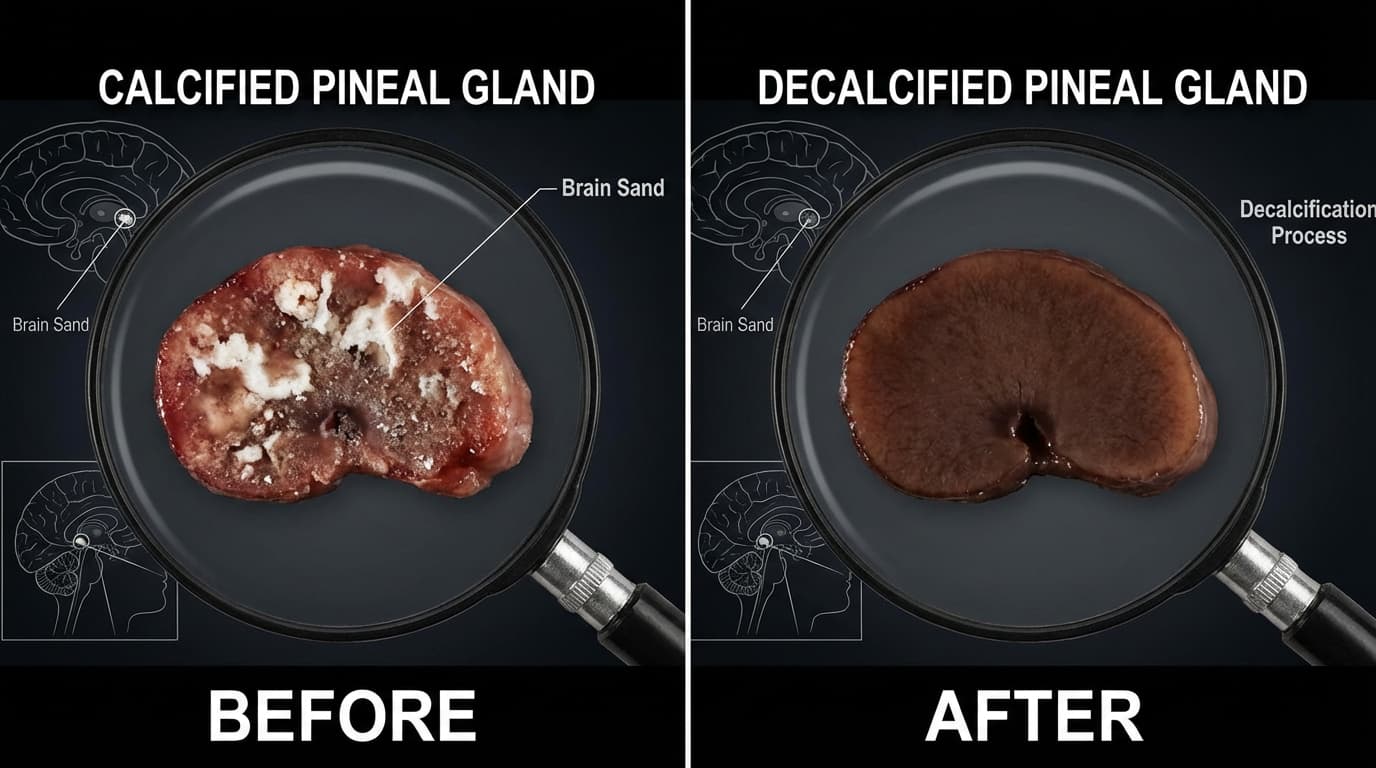
Pineal gland calcification is the silent epidemic destroying cognitive function, sleep quality, and consciousness in millions of people worldwide. By age 60, brain imaging reveals that 60-80% of adults have severe calcification of this crucial gland—essentially turning the master regulator of your brain’s neurochemistry into a hardened, dysfunctional mass.
The devastating effects manifest as progressive memory loss and brain fog, chronic insomnia and poor sleep quality, hormonal imbalances throughout the body, declining cognitive performance, reduced intuition and mental clarity, and accelerated aging of the brain. Most doctors never test for pineal calcification, dismissing these symptoms as “normal aging” while the root cause remains unaddressed.
But here’s the breakthrough: pineal gland decalcification is possible. Through targeted supplements, specific foods, lifestyle changes, and detoxification protocols, you can reverse years of accumulated calcification and restore optimal function to this vital gland. This comprehensive guide reveals everything you need to know about how to decalcify your pineal gland, including the scientific causes of calcification, proven supplements and natural methods, step-by-step decalcification protocol, realistic timelines and what to expect, and common mistakes that slow or prevent decalcification.
If you’re experiencing memory problems, poor sleep, brain fog, or declining mental sharpness, pineal calcification is almost certainly involved. Understanding how to decalcify this gland may be the most important health information you’ll ever receive.
Understanding Pineal Gland Calcification
Before exploring how to decalcify your pineal gland, understanding exactly what calcification is and how it develops provides essential context for choosing effective interventions.
What Is Pineal Calcification?
Pineal gland calcification involves the progressive accumulation of calcium phosphate crystals, fluoride compounds, heavy metals like mercury and aluminum, and other mineral deposits within the pineal tissue. These deposits essentially petrify the gland, transforming soft, functional tissue into hardened, dysfunctional material visible as bright white masses on CT scans and X-rays.
The calcification process happens gradually over years and decades. A healthy pineal gland is soft tissue with rich blood supply, producing melatonin and other neurochemicals in response to circadian signals. As calcification progresses, the gland loses its ability to produce adequate melatonin, neurochemical regulation becomes impaired, blood flow decreases as vessels become blocked, and responsiveness to neural and hormonal signals diminishes.
Research published in brain imaging studies shows pineal calcification begins as early as childhood in modern populations, accelerates during adolescence and young adulthood, and becomes severe by age 50-60 in most people. This isn’t “normal aging”—it’s the result of specific toxic exposures that didn’t exist throughout most of human evolution.
The Primary Causes of Calcification
Fluoride exposure is the single most significant cause of pineal calcification. Research demonstrates that the pineal gland accumulates fluoride at higher concentrations than any other soft tissue in the body—even higher than bones and teeth. This fluoride comes from tap water in fluoridated municipalities, conventional toothpaste and dental treatments, processed foods made with fluoridated water, black tea which naturally accumulates fluoride from soil, and certain medications and pesticides.
Studies show direct correlation between water fluoride levels and pineal calcification rates. Populations with high water fluoride show dramatically more calcification than those with low fluoride exposure. The accumulated fluoride forms calcium fluoride deposits that progressively calcify the gland.
Heavy metal toxicity contributes substantially to calcification. Mercury from dental amalgams and large fish, lead from old pipes and environmental sources, aluminum from cookware, antiperspirants, and processed foods, and cadmium from cigarette smoke all accumulate in pineal tissue, disrupting function and promoting calcification.
Calcium metabolism dysfunction causes aberrant calcium deposits. Without adequate vitamin K2 to direct calcium to bones and teeth, calcium deposits in soft tissues including the pineal gland. Magnesium deficiency impairs proper calcium metabolism. Excess calcium supplementation without proper cofactors increases soft tissue calcification risk.
Chronic inflammation from poor diet, stress, and environmental toxins promotes calcification throughout the body, including the pineal. Electromagnetic field exposure may interfere with pineal function, though research is still emerging. The cumulative effect of these factors explains why calcification has become epidemic in modern populations while remaining rare in traditional societies with minimal fluoride and toxin exposure.
Understanding why your memory is deteriorating often traces directly to pineal calcification impairing the neurochemical regulation essential for cognitive function.
The Consequences of Calcification
A calcified pineal gland cannot perform its crucial functions. The consequences manifest as dramatically reduced melatonin production—often 50-90% below optimal levels—causing insomnia and poor sleep quality. Disrupted circadian rhythm affects every biological process timed by your internal clock. Neurochemical imbalance occurs throughout the brain as the pineal can no longer regulate serotonin, dopamine, and acetylcholine properly.
Cognitive decline accelerates with impaired memory, focus, and mental clarity. Hormonal dysfunction spreads beyond the pineal as it can no longer coordinate the endocrine system. Some research suggests calcification may reduce DMT production, limiting access to expanded states of consciousness. Accelerated brain aging occurs as the master regulator fails.
The good news: decalcification reverses these effects. As you remove accumulated deposits and restore pineal function, the symptoms progressively improve—often dramatically within months.
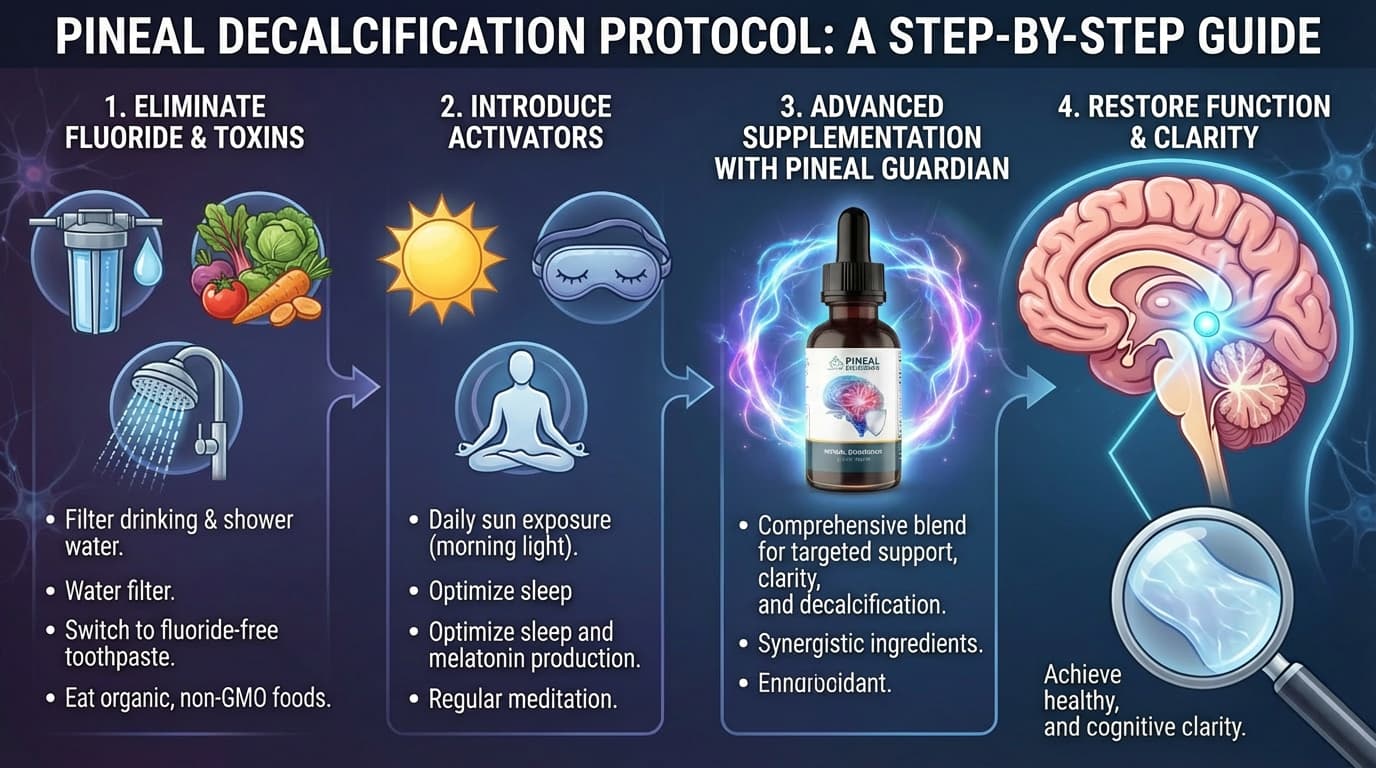
How to Decalcify Pineal Gland: Step-by-Step Protocol
Now let’s explore the specific, evidence-based methods for decalcifying your pineal gland. This protocol addresses both stopping further calcification and actively removing existing deposits.
Step 1: Eliminate Fluoride Immediately
The absolute first step—before any supplements or detox protocols—is stopping fluoride accumulation. Continuing fluoride exposure while trying to decalcify is futile. You’re trying to empty a bathtub with the faucet still running.
Switch to fluoride-free toothpaste today. This single change eliminates a major source of daily fluoride exposure. Brands using natural ingredients like neem, calcium carbonate, or hydroxyapatite provide effective cleaning without fluoride. Install a reverse osmosis water filter. Standard carbon filters do not remove fluoride. Reverse osmosis, distillation, or specialized fluoride filters are necessary. This is non-negotiable for serious decalcification.
Avoid processed foods and beverages. Many are made with fluoridated water, contributing significant fluoride. Stick to whole foods prepared at home with filtered water. Choose organic tea carefully. Black tea accumulates fluoride from soil. Green tea is lower but not fluoride-free. Herbal teas from organic sources are safest.
Check medication fluoride content. Some pharmaceuticals contain fluoride. Consult your doctor about alternatives if applicable. This elimination phase isn’t optional—it’s the foundation upon which all decalcification efforts build.
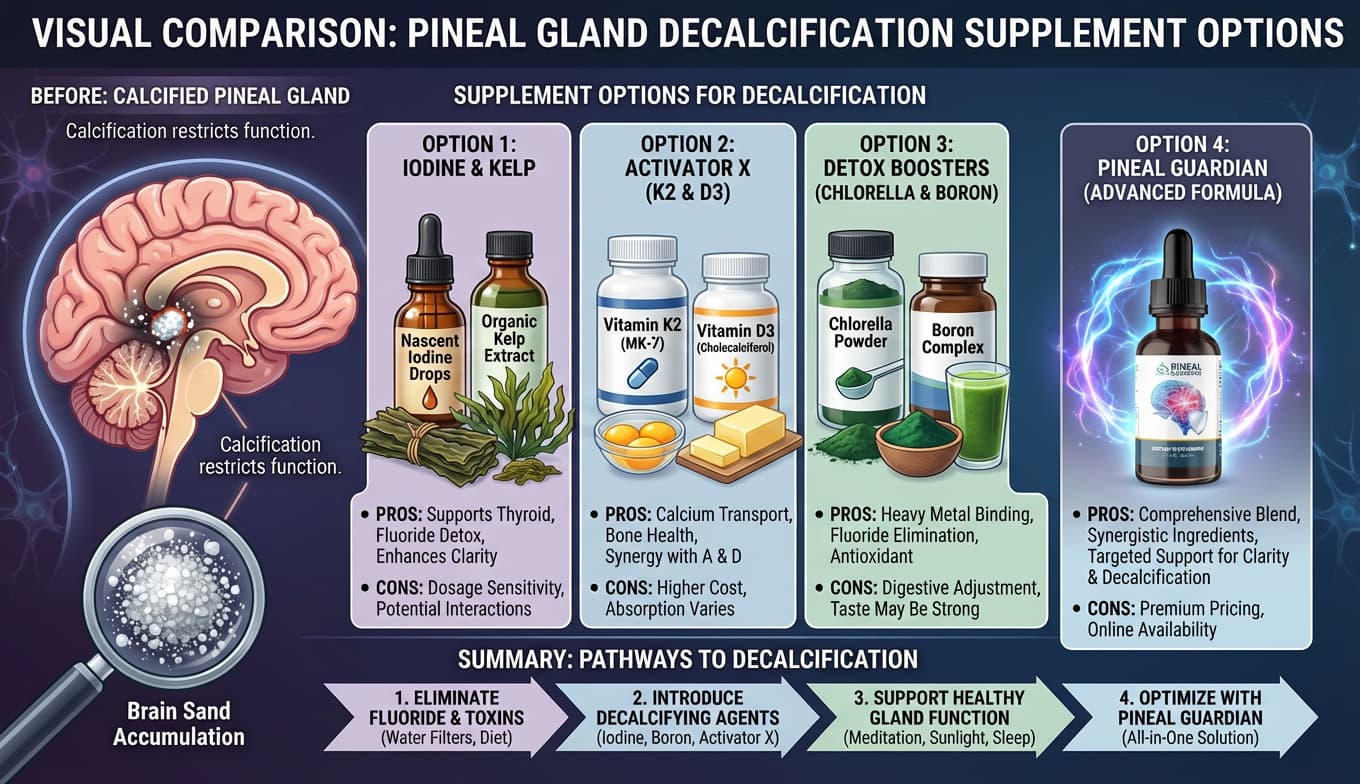
Step 2: Active Decalcification with Targeted Supplements
Eliminating fluoride stops further damage but doesn’t remove years of accumulated deposits. Active decalcification requires specific supplements proven to remove fluoride and calcium from tissues.
Tamarind extract is the most scientifically validated decalcification supplement. Research published in the European Journal of Clinical Nutrition demonstrates that tamarind significantly increases urinary fluoride excretion—meaning it actively pulls fluoride from your body tissues. The study showed that subjects consuming tamarind had substantially higher fluoride elimination compared to controls.
The mechanism: tamarind contains compounds that bind to fluoride and facilitate its excretion through urine. For decalcification purposes, 300-400mg of standardized tamarind extract daily is effective based on research protocols. Results typically become measurable after 2-3 months of consistent use.
Chlorella, a single-celled green algae, provides powerful heavy metal chelation. Multiple studies confirm chlorella’s ability to bind mercury, lead, aluminum, and cadmium—all of which accumulate in pineal tissue and contribute to calcification. Chlorella also binds fluoride, enhancing its elimination.
Typical dosing for decalcification: 2-4 grams daily, split into two doses. Choose “cracked cell wall” chlorella for optimal absorption. Quality matters significantly—contaminated chlorella can add toxins rather than remove them, so source from reputable manufacturers with third-party testing.
Iodine helps displace fluoride through competitive inhibition. Both are halides that compete for the same cellular receptors. When you increase iodine intake, fluoride gets displaced from tissues. However, iodine supplementation requires care—too much can cause problems, too little won’t displace fluoride effectively.
For most people, 150-300mcg daily from supplements or iodine-rich foods like seaweed supports fluoride displacement. Some practitioners recommend higher doses (1-3mg) for intensive decalcification, but this should be done under supervision with thyroid monitoring.
Apple cider vinegar and malic acid may help dissolve calcium deposits through mild acidification. While research is less definitive than for tamarind and chlorella, anecdotal evidence and traditional use suggest benefit. Consume 1-2 tablespoons of raw, unfiltered apple cider vinegar daily in water, or eat raw apples which provide malic acid naturally.
The challenge most people face with supplements: sourcing quality products, determining proper dosing and timing, ensuring purity and absence of contaminants, coordinating multiple supplements for synergy, and maintaining consistency over months.
This complexity is why comprehensive formulations designed specifically for pineal decalcification offer such value. Pineal Guardian combines tamarind extract, chlorella, and essential cofactors in one scientifically-formulated solution, eliminating the guesswork and coordination challenges of managing multiple separate supplements.
The formula provides standardized tamarind extract at research-backed doses for fluoride removal, premium-grade chlorella for heavy metal chelation, pine bark extract for antioxidant protection during detoxification, ginkgo biloba for enhanced cerebral blood flow supporting toxin clearance, spirulina for additional detox support and neurotransmitter precursors, plus lion’s mane and bacopa for cognitive support during restoration.
Users consistently report that comprehensive supplementation accelerates decalcification significantly compared to individual supplements, with noticeable improvements in sleep, cognition, and meditation depth within 6-8 weeks.
Step 3: Optimize Calcium Metabolism
Proper calcium metabolism prevents further calcification and supports removal of existing deposits. This requires vitamin K2 (as MK-7) which directs calcium to bones and teeth rather than soft tissues like the pineal gland. Research shows K2 supplementation reduces soft tissue calcification and may help mobilize existing deposits. Dosage: 100-200mcg daily of MK-7 form, which has longer half-life than MK-4.
Magnesium works synergistically with K2 to regulate calcium. Magnesium deficiency—widespread in modern populations—promotes aberrant calcium deposits in soft tissues. Effective forms for decalcification include magnesium glycinate (highly absorbable, calming), magnesium threonate (crosses blood-brain barrier effectively), or magnesium taurate (supports cardiovascular and neural health). Dosage: 200-400mg elemental magnesium daily.
Vitamin D optimization affects calcium metabolism. While necessary, excessive vitamin D without adequate K2 can worsen soft tissue calcification. Maintain optimal blood levels (40-60 ng/mL) through testing, but don’t megadose without K2 supplementation.
Reduce unnecessary calcium supplementation. Unless medically indicated, most people get adequate calcium from diet. Additional supplementation without proper K2 and magnesium increases pineal calcification risk.
Step 4: Detoxification Support
Active decalcification releases stored fluoride and heavy metals into circulation before elimination. Supporting your body’s detoxification pathways prevents redistribution and ensures proper excretion.
Adequate hydration is essential—aim for half your body weight in ounces of filtered water daily. Water facilitates toxin elimination through urine. Cruciferous vegetables like broccoli, cauliflower, and Brussels sprouts support liver detoxification pathways that process released toxins. Cilantro has been shown to help mobilize heavy metals, though it should be paired with chlorella to ensure binding and elimination rather than redistribution.
Activated charcoal (taken away from supplements and food) can bind toxins in the digestive tract. Infrared sauna use promotes heavy metal excretion through sweat. Start conservatively and increase gradually. Adequate fiber (25-35g daily) supports toxin elimination through stool. Both soluble and insoluble fiber are beneficial.
Step 5: Lifestyle Optimization for Decalcification
Certain lifestyle practices enhance decalcification while others impede it. Sleep optimization is crucial—adequate sleep allows natural detoxification through the glymphatic system. Aim for 7-9 hours in complete darkness. Stress management reduces inflammation that promotes calcification. Chronic cortisol elevation impairs detoxification. Daily meditation, yoga, or other stress-reduction practices are essential.
Regular exercise improves circulation, supporting toxin clearance from tissues including the pineal. Both cardiovascular and strength training are beneficial. Minimize EMF exposure during sleep by keeping phones, WiFi routers, and electronics away from your sleeping area. EMF may interfere with pineal function and potentially slow decalcification.
Intermittent fasting or time-restricted eating enhances autophagy—cellular cleanup that may support decalcification. Start with 12-14 hour overnight fasts and extend as tolerated. Avoiding foods that damage your pineal gland prevents new damage while you work to reverse existing calcification.
Best Supplements to Decalcify Pineal Gland
Let’s examine the most effective supplements for pineal decalcification in detail, including mechanisms, dosing, and quality considerations.
Tier 1: Essential Decalcification Supplements
Tamarind Extract (300-400mg daily) stands as the most research-backed supplement specifically for fluoride removal. Look for standardized extracts from reputable manufacturers. The European Journal of Clinical Nutrition study used whole tamarind fruit, but extracts provide more concentrated active compounds. Take with meals for best absorption.
Chlorella (2-4g daily) for heavy metal chelation must be “cracked cell wall” variety for proper absorption. Start with lower doses and increase gradually to avoid detox reactions. Take separately from other supplements for optimal binding capacity—ideally between meals. Quality is crucial; contaminated chlorella defeats the purpose.
Vitamin K2 as MK-7 (100-200mcg daily) should be taken with fat-containing meals for absorption as it’s fat-soluble. The MK-7 form has longer half-life than MK-4, requiring only once-daily dosing. Look for products derived from natto (fermented soybeans) or synthesized through natural fermentation.
Magnesium (200-400mg elemental daily) in glycinate, threonate, or taurate forms. Avoid magnesium oxide which has poor absorption. Split dosing between morning and evening often works well. Take separately from calcium-containing foods or supplements for optimal absorption.
Tier 2: Supportive Supplements
Iodine (150-300mcg daily) from kelp, dulse, or potassium iodide supplements. Higher doses should only be attempted under practitioner supervision with thyroid monitoring. Pine bark extract (50-100mg daily) provides antioxidant protection during decalcification when toxins are mobilizing. Look for standardized extracts containing 95% proanthocyanidins.
Spirulina (2-4g daily) offers additional detox support plus neurotransmitter precursors and antioxidants. Choose organic spirulina tested for contamination. Milk thistle (150-300mg silymarin daily) supports liver function crucial for processing released toxins during decalcification.
The Comprehensive Approach
Managing multiple supplements separately presents challenges in sourcing quality products, determining optimal dosing, coordinating timing for absorption and synergy, ensuring consistency over months, and avoiding negative interactions.
This is precisely why comprehensive formulations like Pineal Guardian provide such practical value. Rather than purchasing 8-10 separate supplements, hoping they’ll work together, and trying to remember complex timing schedules, you get a complete decalcification solution in one product.
The formulation includes therapeutic doses of tamarind for fluoride removal, premium chlorella for heavy metal detox, essential cofactors (K2, magnesium precursors) for calcium metabolism, antioxidants (pine bark, spirulina) for neuroprotection, circulation enhancers (ginkgo) for toxin clearance, and cognitive supporters (lion’s mane, bacopa) for function during restoration.
User reviews of Pineal Guardian consistently highlight that the comprehensive approach produces noticeable results faster than piecemeal supplementation—typically 6-8 weeks versus 4-6 months for uncoordinated individual supplements.
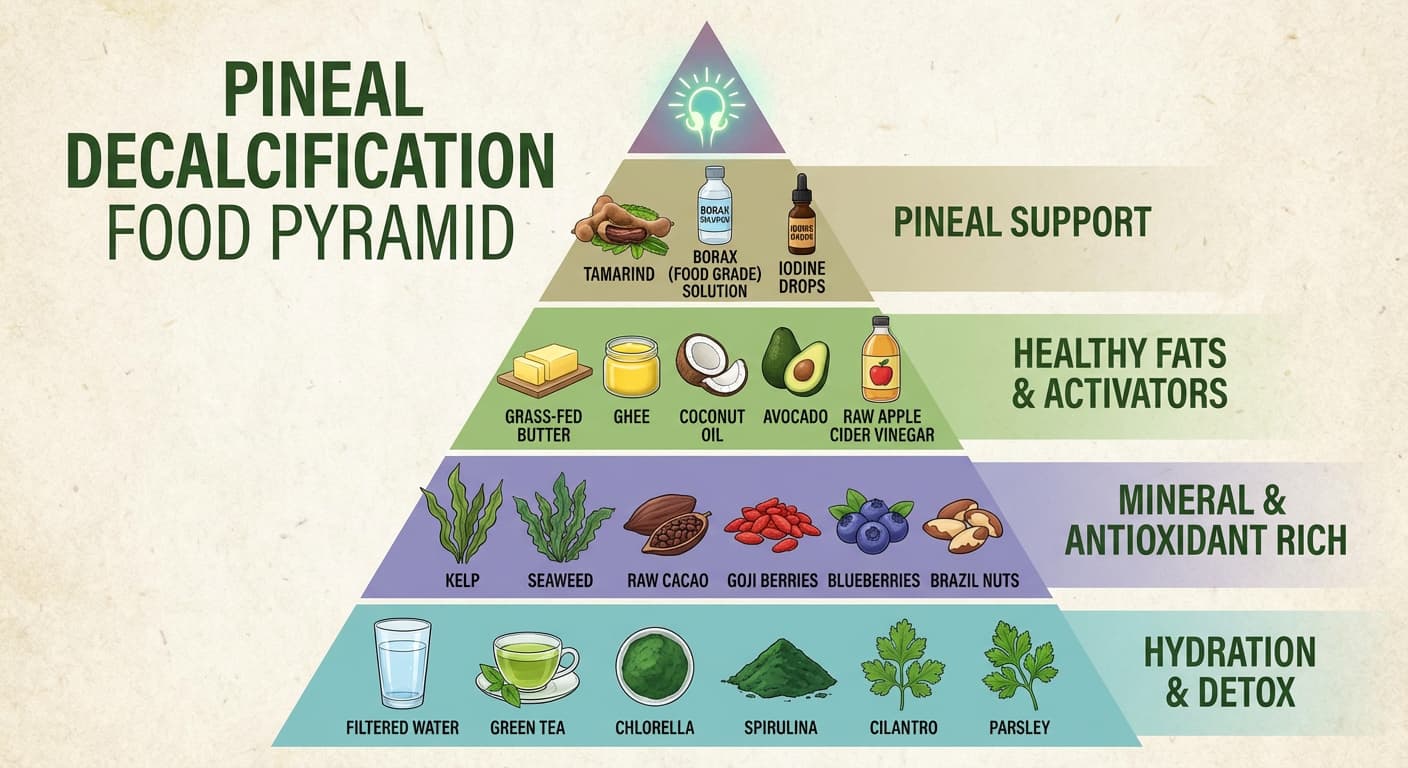
Foods That Decalcify Pineal Gland
Beyond supplements, certain foods support pineal decalcification naturally. Incorporating these into your diet enhances your decalcification protocol.
Primary Decalcification Foods
Raw cacao contains high magnesium levels supporting calcium metabolism, antioxidants protecting against oxidative stress during detox, and compounds that may enhance pineal function. Use raw cacao powder or nibs, not processed chocolate with added sugar. Add to smoothies or make hot cacao drinks.
Chlorophyll-rich greens like wheatgrass, spirulina, chlorella, parsley, and cilantro provide natural detoxification support, bind heavy metals, and offer minerals supporting pineal health. Juice fresh greens, add powdered forms to smoothies, or eat abundantly in salads.
Raw apple cider vinegar supplies malic acid that may help dissolve calcium deposits. Use raw, unfiltered varieties with “the mother.” Mix 1-2 tablespoons in water and drink daily before meals.
Iodine-rich seaweed like nori, wakame, dulse, and kelp provides natural iodine for fluoride displacement. Add to soups, salads, or snack on roasted seaweed. Be cautious with quantity—too much iodine can cause problems.
Garlic and onions support liver detoxification pathways essential for processing released toxins. They contain sulfur compounds that enhance phase 2 detoxification. Use raw or lightly cooked for maximum benefit.
Secondary Supportive Foods
Turmeric provides powerful anti-inflammatory effects reducing calcification-promoting inflammation. Enhance absorption by consuming with black pepper and healthy fats. Lemon and lime juice offer vitamin C and citric acid supporting detoxification. Add to water throughout the day. Cilantro helps mobilize heavy metals but should be paired with chlorella for proper elimination.
Organic berries provide antioxidants protecting brain tissue during decalcification. Wild blueberries are particularly neuroprotective. Cruciferous vegetables (broccoli, cauliflower, Brussels sprouts, kale) support liver detox pathways. Lightly steam or eat raw for maximum benefit.
Foods to Avoid
Eliminate or minimize fluoridated water (switch to filtered), conventional tea especially black tea high in fluoride, processed foods made with fluoridated water, non-organic produce potentially containing fluoride-based pesticides, conventionally raised animal products which accumulate toxins, and refined sugar and processed foods that promote inflammation and impair detoxification.
The dietary approach works synergistically with supplementation. Foods provide broad-spectrum nutrients and compounds supporting overall health while supplements deliver concentrated, therapeutic amounts of specific decalcification compounds.
Timeline: How Long Does Decalcification Take?
One of the most common questions: how quickly can you decalcify your pineal gland? Understanding realistic timelines prevents premature discouragement and helps you recognize genuine progress.
Factors Affecting Timeline
Several variables determine decalcification speed including degree of existing calcification (someone with 30% calcifies faster than 80%), consistency of protocol adherence (daily versus sporadic makes enormous difference), age (younger people generally decalcify faster, though it’s possible at any age), overall toxic burden and health status, quality of supplements and purity of ingredients, and whether you’ve truly eliminated fluoride or continue exposure.
Most importantly: whether you’re using comprehensive supplementation versus trying to coordinate multiple individual supplements. The synergy of properly formulated combinations dramatically accelerates results.
Month 1: Foundation Phase
The first month focuses on stopping further calcification and beginning mobilization of deposits. Noticeable changes include sleep beginning to improve—falling asleep easier, fewer awakenings, slightly more refreshing rest. Some people notice subtle increases in dream vividness and recall. Mild improvements in daytime mental clarity may appear, particularly in mornings. Some users report slight pressure or tingling at the third eye point during meditation.
These early signs indicate the protocol is working, though substantial decalcification hasn’t occurred yet. Laboratory testing would show increased fluoride excretion in urine—direct evidence that accumulated fluoride is being removed from tissues.
Month 2-3: Active Decalcification
As the protocol continues and accumulated toxins mobilize, more substantial improvements emerge. Sleep quality improves noticeably—deeper, more restorative sleep with consistent vivid dreams. Cognitive function sharpens with better memory, improved focus, and faster mental processing. Brain fog reduces significantly or disappears entirely. Meditation becomes deeper with less mental chatter and easier access to profound states. Mood stabilizes with better stress resilience and emotional regulation.
Users of comprehensive formulations like Pineal Guardian consistently report that this 2-3 month period is when results become undeniable. The improvements are no longer subtle—they’re transforming daily function, work performance, and quality of life.
Month 3-6: Substantial Restoration
With continued consistent practice, months 3-6 bring dramatic transformation. Sleep becomes exceptional—deep, restorative, with proper sleep architecture and memorable dreams. Memory and cognitive function reach levels not experienced in years or even decades. Mental clarity is sharp and sustained throughout entire days. Meditation produces profound states and possible transcendent experiences. Intuition and insight noticeably enhance. Overall wellbeing and life satisfaction improve substantially.
Imaging studies (if you had access to brain scans) would show measurable reduction in pineal calcification. The gland’s function has substantially restored, though complete decalcification may require 6-12 months depending on initial severity.
Month 6-12: Complete Decalcification and Optimization
For people with severe initial calcification, complete decalcification may require 6-12 months of consistent protocol. By this point, the pineal gland has restored optimal or near-optimal function, calcification is minimal or eliminated, and benefits have become the stable baseline rather than peak experiences.
At this stage, many people transition from intensive decalcification doses to maintenance protocols—continuing fluoride avoidance, periodic decalcification support (perhaps 2-4 weeks per quarter), ongoing healthy lifestyle practices, and regular meditation to maintain activation.
Understanding the science behind comprehensive brain health reveals why sustained commitment to protocols produces lasting transformation rather than temporary improvements.
Common Mistakes That Slow Decalcification
Avoiding these common errors accelerates your decalcification progress and prevents wasted time and money on ineffective approaches.
Mistake 1: Continuing Fluoride Exposure
The most common and most devastating mistake—using decalcification supplements while still drinking fluoridated water, using fluoride toothpaste, or consuming fluoride-rich foods. You’re trying to empty a bathtub with the faucet running. Solution: Fluoride elimination must be absolute and immediate. No exceptions. This is the foundation of all decalcification efforts.
Mistake 2: Low-Quality or Insufficient Supplement Doses
Using cheap supplements with questionable purity or taking doses far below therapeutic levels wastes money and time. Pineal decalcification requires clinical-grade supplements at research-backed doses. Solution: Invest in quality products from reputable manufacturers, use doses proven effective in studies, or choose comprehensive formulations like Pineal Guardian that provide therapeutic amounts of all essential compounds.
Mistake 3: Inconsistent Protocol Adherence
Taking supplements sporadically, forgetting doses frequently, or quitting after 3-4 weeks when results aren’t yet dramatic. Decalcification is a biological process that requires sustained, consistent support. Solution: Establish non-negotiable daily routines, use pill organizers or reminders, commit to minimum 3 months before evaluating, and track progress objectively through sleep, cognition, and meditation quality.
Mistake 4: Ignoring Detoxification Support
Mobilizing stored toxins without supporting elimination causes redistribution and possible adverse reactions. Released fluoride and heavy metals need to exit the body, not redeposit elsewhere. Solution: Adequate hydration, liver support supplements, sauna use, and dietary detoxification support alongside decalcification supplements.
Mistake 5: Unrealistic Timeframe Expectations
Expecting complete decalcification in two weeks leads to premature discouragement and quitting. Years or decades of accumulation require months of dedicated decalcification. Solution: Adjust expectations to realistic timelines—weeks for initial improvements, months for substantial results. Focus on progress, not perfection.
Your Decalcification Journey: Take Action Today
You now understand pineal gland calcification—its causes, consequences, and most importantly, how to reverse it. The comprehensive decalcification protocol includes immediate and absolute fluoride elimination, active decalcification through tamarind and chlorella, optimized calcium metabolism with K2 and magnesium, detoxification support, and healthy lifestyle practices.
The choice is yours: continue with a calcified, dysfunctional pineal gland and accept progressive cognitive decline, poor sleep, and limited consciousness, or commit to the decalcification protocol and restore optimal function to your brain’s master regulator.
Start today—not tomorrow, not next week. Switch to fluoride-free toothpaste right now. Order a reverse osmosis filter today. Begin comprehensive supplementation immediately.
Visit PureFocusLife.fun to explore how Pineal Guardian provides complete decalcification support with all essential compounds in therapeutic doses, third-party tested for purity and potency, formulated for optimal synergy and absorption, and backed by a satisfaction guarantee.
When you’re ready to decalcify your pineal gland with a comprehensive, scientifically-formulated solution, order Pineal Guardian from the official source and begin reversing years of accumulated calcification.
Your pineal gland is waiting to be restored. Every day of calcification is another day of impaired cognition, poor sleep, and limited consciousness. Every day of decalcification is a day of healing and restoration.
Stop accepting cognitive decline as inevitable. Stop settling for poor sleep and brain fog. Start decalcifying your pineal gland today. Experience the profound transformation that proper pineal function makes possible—sharp memory, deep sleep, clear mind, expanded awareness.
The protocol is clear. The science is solid. The results are real. The only question is whether you’ll act now or continue declining. Choose decalcification. Choose restoration. Choose optimal brain function. Begin today.
Get Your FREE Brain Health Guide
Download "7 Secrets to Brain Health" before you buy • Learn the science-backed strategies • No credit card required
Ready to Restore Your Memory?
Join thousands of people over 50 who have transformed their cognitive health with Pineal Guardian. Experience the mental clarity you deserve.
Share this article: